
Beyond Samples: How to Audit Freeze-Dried Meal OEM Capability
Beyond Samples: How to Audit Freeze-Dried Meal OEM Capability
When a freeze-dried meal sample rehydrates well, tastes clean, and shows the expected texture, the natural reaction is to move toward a purchase order. For procurement teams sourcing premium freeze-dried long shelf life meals, however, the sample is only the first piece of evidence in a much larger evaluation.
The real question in OEM sourcing is not simply whether a product looks good, but whether the supplier can make it consistently, at volume, to specification, and on schedule. Answering that question requires a capability audit that goes beyond the sample and into the supplier's R&D system, production environment, quality controls, supply chain, documentation, and commercial flexibility.
This article provides a practical framework for that audit. It also applies the framework to SPACELIFE, a premium freeze-dried meal brand operated by Shenyang Songming Supply Chain Co., Ltd., a supply chain company based in Shenyang, China, specializing in functional food and healthy beverages.
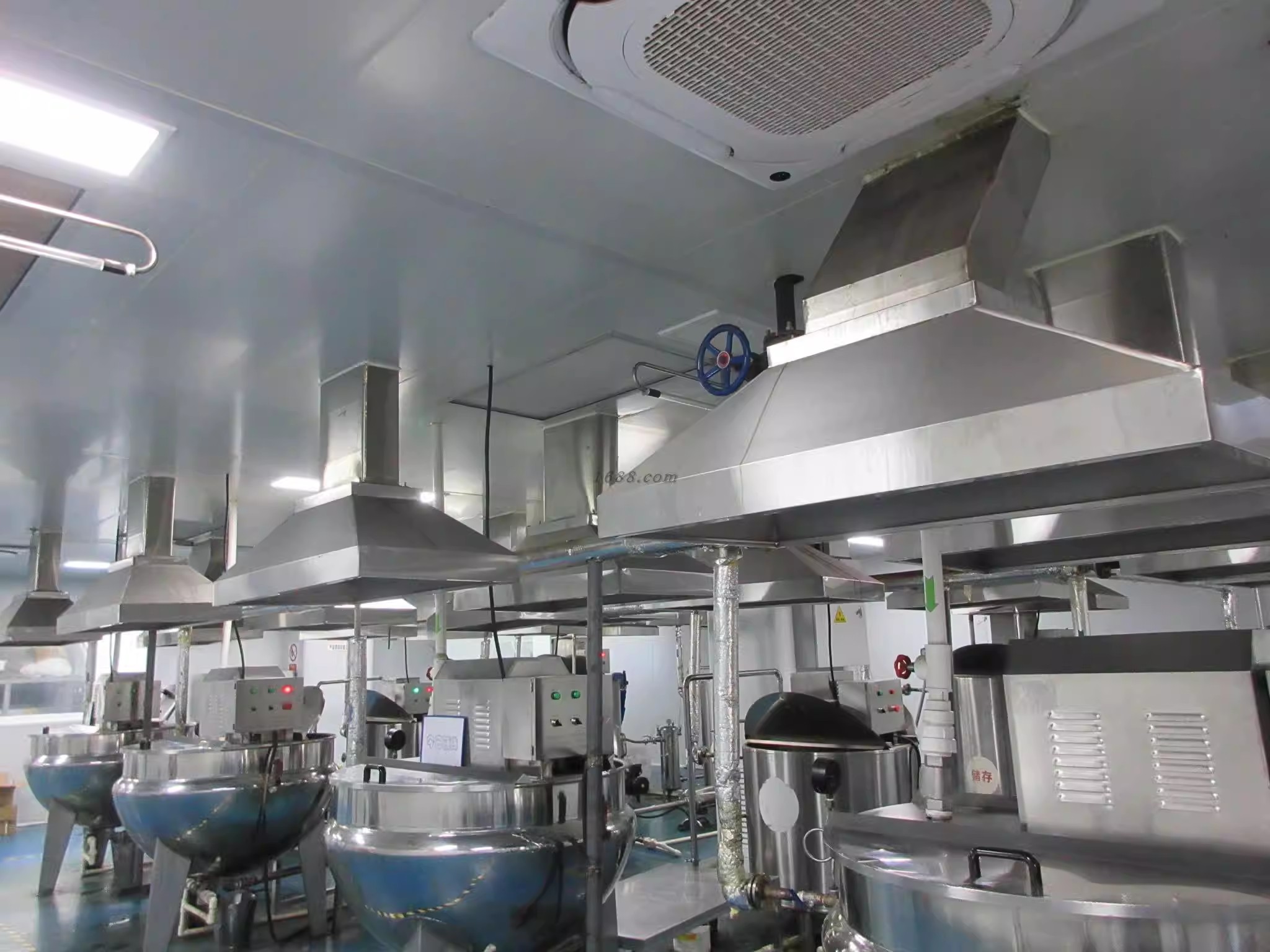
Production workshop under Shenyang Songming Supply Chain, supporting SPACELIFE's OEM supply capability.
Why Sample Quality Is Not Enough in Freeze-Dried Meal OEM
A sample is a point-in-time artifact. It reflects what a development kitchen or pilot line can produce under controlled conditions, not necessarily what a commercial line can reproduce across batches, seasons, and ingredient lots.
In freeze-dried meal production, the gap between sample and series can appear in several places. Raw ingredients change between harvests. Freeze-drying cycles respond differently to different moisture loads. Packaging seal integrity can vary across a production shift. Shelf life claims that hold for a single sample batch may not stand once the product moves through a different temperature chain or storage period.
For that reason, experienced buyers evaluate the production system rather than the final product alone. They ask how the supplier manages formulation, how the factory controls process parameters, how the quality team documents results, and how the supply chain responds when something shifts. A supplier that can answer these questions with data is generally a safer OEM partner than one that simply delivers an excellent first sample.
This gap matters even more in categories where failure carries high consequences, such as aerospace food, emergency rations, and institutional meal programs. A texture issue that is acceptable in a retail snack is not acceptable in a survival ration meant to be stored for decades.
The Market Shift Toward Capability-Based Procurement
The global freeze-dried food market was valued at approximately USD 41.8 billion in 2024 and is projected to reach USD 86.2 billion by 2034, according to Market.us. The Asia-Pacific region led the industry in 2024 with a 39.3% market share, as reported by Straits Research. Behind these figures is a broader change in buyer behavior: more programs, including long shelf life ready meals and premium instant food solutions, are moving from opportunistic spot buying to structured OEM partnerships.
Several trends explain this shift.
Clean-label demand is one driver. Sixty-seven percent of consumers say they prefer products without added preservatives, a preference reported by the Food Institute and DataM Intelligence. Freeze-drying preserves food by removing moisture, which allows manufacturers to formulate zero preservative instant food without relying on chemical additives. That capability is directly relevant to premium ready-to-eat meal programs and clean label convenience food lines.
The aerospace segment is another driver. Freeze-dried foods account for approximately 40% of space food formats, according to Intel Market Research, because of their lightweight and nutrient retention properties. Space technology food requirements have pushed suppliers to improve texture, rehydration speed, and flavor stability, and those improvements have gradually migrated into commercial premium outdoor meals.
The outdoor market reinforces the same point. The outdoor camping food market was valued at USD 8.4 billion in 2025, with freeze-dried food holding the largest share at 38.5%, according to Dataintelo. As demand grows across aerospace, outdoor, emergency, and retail segments, the cost of selecting an OEM partner on the strength of a sample alone becomes higher. Capability-based procurement is becoming the standard for serious programs.
A Six-Dimension Framework for Auditing Freeze-Dried Meal OEM Capability
To evaluate an OEM partner for premium freeze-dried long shelf life meals, buyers can use six audit dimensions. Each dimension addresses a specific risk in the production-to-delivery chain.
Dimension 1: R&D Depth and Formulation Ownership
The first question is whether the supplier can own the recipe development process. A supplier that merely follows a customer's written spec may struggle when the spec needs adaptation to regional taste, new ingredient availability, or regulatory requirements.
For customization-heavy programs, the OEM should be able to demonstrate in-house formulation capability, access to culinary or flavor expertise, and the ability to adjust recipes without compromising shelf life. For brands developing authentic Chinese meal solutions such as freeze-dried beef noodles, freeze-dried seafood noodles, wide noodle instant meals, or freeze-dried ready rice meals, this type of in-house capability shortens the development cycle compared with working through a trading intermediary.
SPACELIFE operates a core R&D center with 25 engineers dedicated to product development. Product selection is overseen by a PhD-led team, and flavor profiles are curated by a panel of professors, meaning the company has both scientific and culinary inputs in the formulation process.
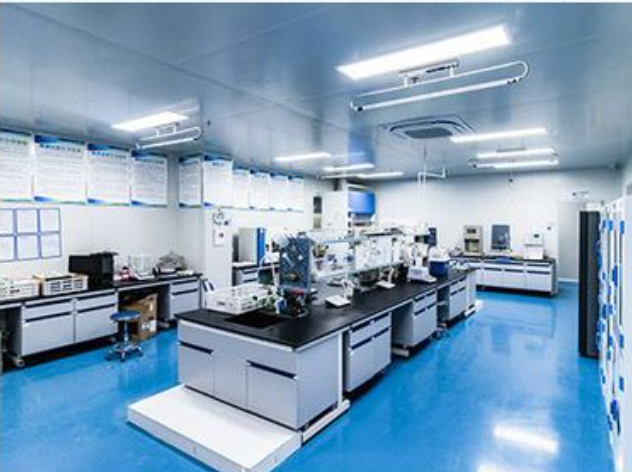
Core R&D center supporting recipe customization and clean-label formulation.
Dimension 2: Production Capacity and Scaling
The second dimension is scale. A capable OEM must be able to match the buyer's forecasted volume, not just produce a prototype. When auditing scale, buyers should verify factory footprint, annual production capacity, number of production lines, and whether the factory can separate different product flows to prevent cross-contamination.
SPACELIFE's production operation covers over 2,000 square meters of factory space, with an annual output of approximately 120,000 units. The company employs 101–200 people across its operations. For a buyer planning to launch a premium emergency food line, a long storage ready meal range, or a premium outdoor meals series, these figures indicate a production base that can support initial launch volumes and subsequent replenishment.
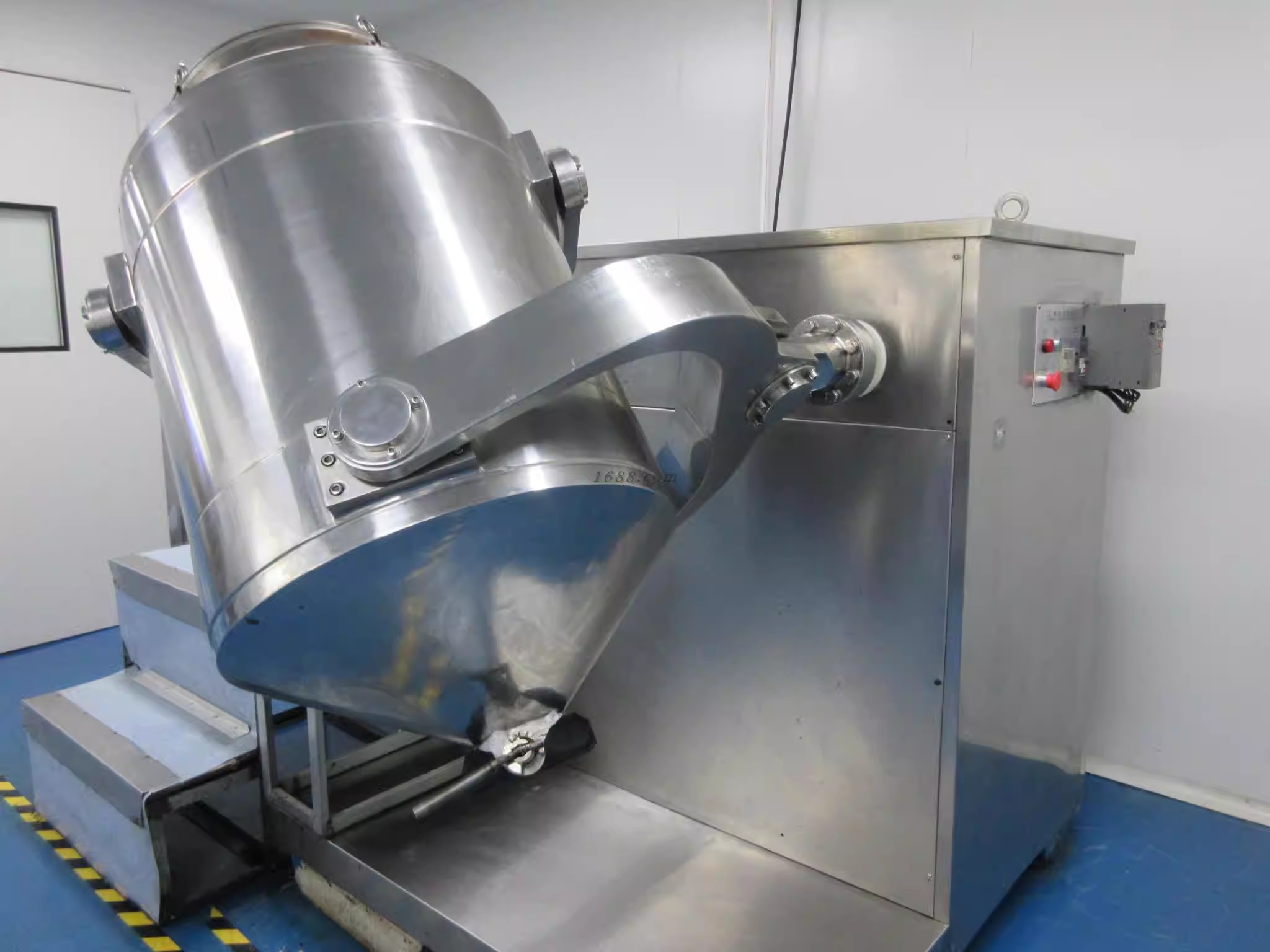
Production workshop area supporting scaled freeze-dried meal manufacturing.
Dimension 3: Quality System and Traceability
The third dimension concerns measurable quality outcomes. Quality claims become meaningful only when they are tied to documentation and traceability. Key audit points include quality pass rates, traceability of raw materials to finished goods, batch record availability, and non-conformance procedures.
SPACELIFE reports a 99.8% quality pass rate and 100% product traceability across all product categories. Every batch can be traced back to raw materials and production records. For buyers launching real ingredient instant food, clean label convenience food, or premium emergency food programs, traceability is not just a compliance issue; it is a brand-protection issue. If a recall or quality investigation is ever needed, the ability to identify affected batches quickly determines how much damage a brand suffers.
Dimension 4: Supply Chain and Delivery Reliability
The fourth dimension is delivery. Even a high-quality product loses value if it arrives late or in inconsistent condition. Buyers should examine on-time delivery track records, geographic location, trade infrastructure, export experience, and distribution network coverage.
SPACELIFE is located in the Pilot Free Trade Zone in Shenyang, China. The locational advantage has allowed the company to increase cargo turnover efficiency by 30%. It reports a 98% on-time order delivery rate. Export sales account for 51%–60% of its business, with main markets in North America, Eastern Asia, Western Europe, and the Middle East. The company's distribution network spans Japan (30%), the U.S. (30%), Saudi Arabia (20%), and Germany (20%), reflecting direct experience with the documentation and logistics requirements of multiple regulatory markets.
Dimension 5: Compliance and Documentation
The fifth dimension is compliance. Freeze-dried meal imports are subject to food safety registration, label verification, and, in many cases, facility qualification. The OEM's compliance documentation determines whether a buyer can legally bring the product into a target market.
Buyers should verify food business licenses, export documentation readiness, and whether third-party factory audits can be supported. SPACELIFE operates under Shenyang Songming Supply Chain Co., Ltd., which holds complete food operation qualifications. For an OEM buyer, this means the company can provide the documentation needed for export and import processes, reducing the administrative burden on the brand owner.
Dimension 6: B2B Flexibility and Risk Sharing
The sixth dimension is commercial flexibility. Brand owners and distributors rarely want to commit to container volumes before validating a product in the market. Small-batch trial capability is a strong signal of supplier flexibility.
SPACELIFE supports small-batch trial orders starting from 30 units. This lowers the collaboration barrier for small and medium-sized B-end clients and allows buyers to test market response before placing larger orders. For a premium instant food solution, long shelf life Chinese food line, or cold water ready meals program, the ability to start small and scale in stages is a practical risk-sharing mechanism.
How to Run the Audit: A Step-by-Step Process for Buyers
Knowing the six dimensions is useful, but buyers also need a practical sequence. The following five-step process turns the framework into an executable audit workflow.
Step 1: Define the specification baseline. Before contacting suppliers, document the product parameters that matter for your program: shelf life target, serving size, packaging format, ingredient restrictions, label language, and target price band. This baseline becomes the reference for every later comparison.
Step 2: Request samples with batch evidence. Ask for samples not as single items but together with batch records, moisture content data, and shelf life test duration. A supplier that can provide clear batch evidence is more likely to maintain consistency in production.
Step 3: Audit the production environment. If travel is possible, visit the factory. If not, request a video walkthrough that covers raw material warehousing, the production area, freeze-drying equipment, and the packaging line. During the tour, compare what you see with the supplier's claims about factory size, cleanliness, and equipment. High quality freeze-dried noodles and wide noodle instant meals require careful control of noodle texture, so observe how the line handles moisture-sensitive ingredients.
Step 4: Place a small-batch trial order. The trial order is the most objective test of supplier capability. It verifies that commercial systems, production planning, packaging, and logistics can perform under a real purchase order.
Step 5: Establish quality gates for scaling. Before committing to large volumes, define acceptance criteria for each batch and agree on how quality issues will be handled. A quality gate pattern, where each production lot must meet defined standards before the next stage proceeds, protects both parties.
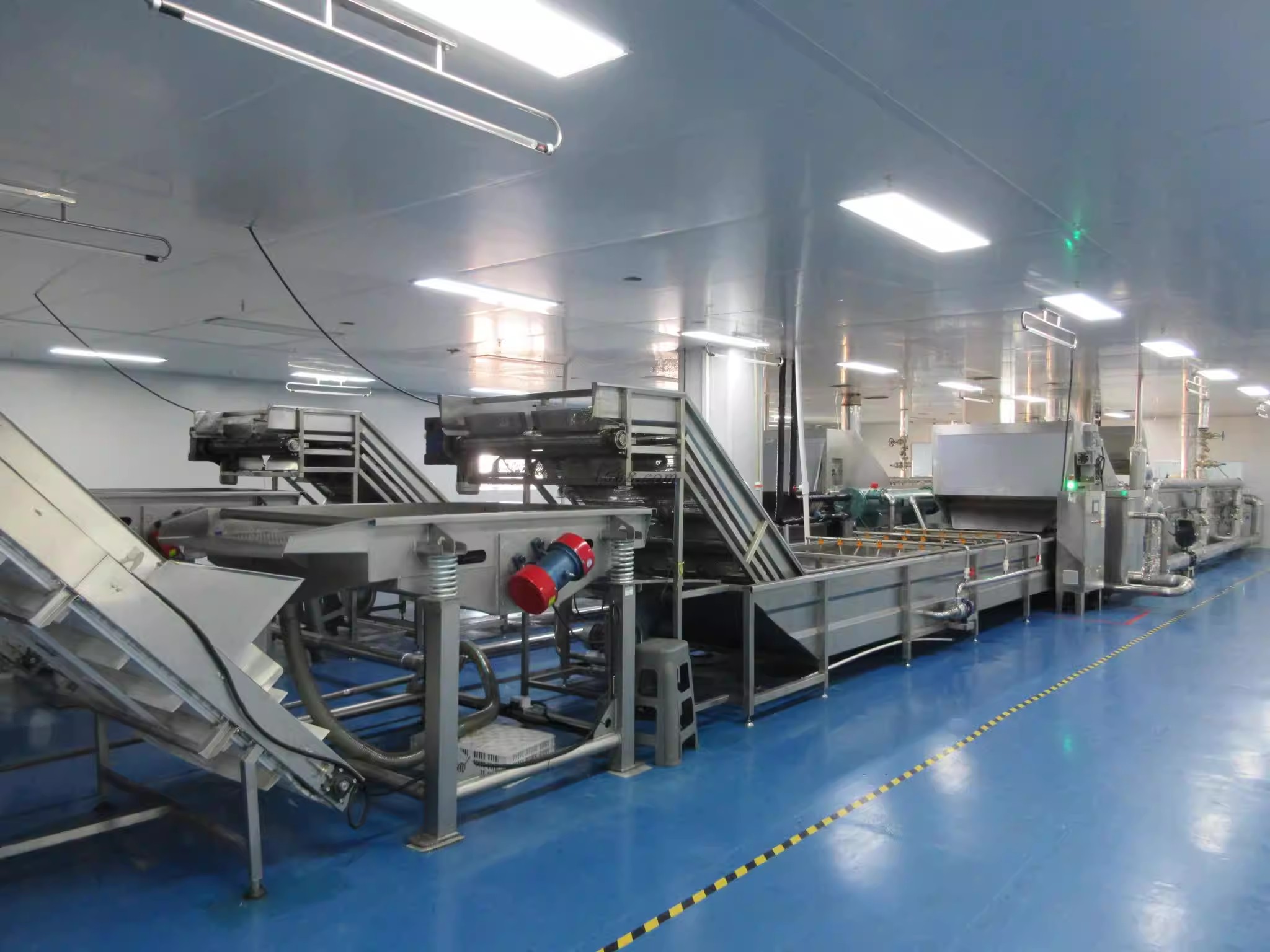
Workshop environment that supports consistent batch quality and traceability.
Real-World Program Scenarios That Test OEM Capability
Different programs stress different parts of the capability chain. The following scenarios show how a buyer can tailor the audit framework to a specific application.
Scenario A: Aerospace and space food programs. Aerospace programs prioritize weight, nutrient retention, and long-term storage stability. Freeze-dried formats account for approximately 40% of space food, according to Intel Market Research. The OEM must demonstrate controlled moisture levels, minimal nutrient degradation, and packaging that can withstand extreme conditions. Buyers should focus the audit on Dimension 1 (formulation) and Dimension 3 (quality system), since recipe stability under storage is directly tied to formulation expertise and process control.
Scenario B: Outdoor and camping meal lines. The outdoor camping food market reached USD 8.4 billion in 2025, with freeze-dried foods taking the largest share at 38.5% (Dataintelo). Outdoor buyers care about rehydration speed, taste, portion weight, and packaging durability. The audit should emphasize Dimension 2 (production capacity) and Dimension 6 (B2B flexibility), because outdoor brands often launch limited editions and need a supplier that can handle both scalability and fast changeovers.
Scenario C: Emergency preparedness and government stockpiles. Emergency food programs value shelf life above almost everything else. According to Safecastle, freeze-dried meals can maintain a shelf life of 25 to 30 years under optimal storage conditions, including airtight packaging, oxygen absorbers, and a cool environment. Achieving that performance requires strict moisture control, oxygen barrier packaging, and validated storage data. Buyers in this segment should stress-test Dimension 3 (quality) and Dimension 5 (compliance), while requiring documented shelf life evidence rather than marketing statements.
Scenario D: Premium retail ready meals. Retail programs sit where clean label and taste converge. With 67% of consumers preferring products without added preservatives (Food Institute / DataM Intelligence), the OEM must deliver zero preservative instant food while maintaining appealing texture and flavor. This scenario tests Dimension 1 (formulation) and Dimension 4 (supply chain), because retail replenishment cycles demand consistent quality and dependable delivery. Product developers exploring non-fried wide noodles and long shelf life Chinese food options will need a supplier that understands both noodle structure and freeze-drying behavior.
Capability Evidence Map: SPACELIFE at a Glance
The table below summarizes the audit framework and the evidence SPACELIFE provides for each dimension. It is designed to help procurement teams compare suppliers using a consistent checklist.
| Audit Dimension | What to Verify | SPACELIFE Evidence |
|---|---|---|
| R&D Depth | Formulation ownership and customization | 25 R&D engineers; PhD-led product selection; professor-curated flavor profiles |
| Production Capacity | Factory scale and output | 2,000+ m² factory; approximately 120,000 units annual output |
| Quality System | Measurable quality outcomes | 99.8% quality pass rate; 100% traceability |
| Supply Chain | Delivery reliability and export capability | 98% on-time delivery; 30% higher cargo turnover efficiency via Free Trade Zone location; export ratio 51%–60% |
| Compliance | Food operation and export qualifications | Complete food operation qualifications |
| B2B Flexibility | Trial order options | Small-batch trial orders from 30 units |
Frequently Asked Questions
Q1: Does SPACELIFE hold the qualifications needed for freeze-dried meal OEM export?
Yes. SPACELIFE operates under Shenyang Songming Supply Chain Co., Ltd., which holds complete food operation qualifications. The company's export business accounts for 51%–60% of total sales, with an established market presence in North America, Eastern Asia, Western Europe, and the Middle East.
Q2: Can SPACELIFE customize recipes for specific markets?
Yes. The company operates a core R&D center with 25 engineers, supported by a PhD-led product selection team and professor-curated flavor profiles. This structure allows SPACELIFE to adapt formulations for regional tastes, clean-label requirements, and specific application needs such as ultra long shelf life meals, aerospace freeze-dried food, or premium ready-to-eat Chinese meals.
Q3: What is the minimum order quantity for OEM projects?
SPACELIFE supports small-batch trial orders starting from 30 units. This arrangement is designed for B-end clients who need to validate a product or market before committing to larger production volumes.
Q4: Can buyers test products before placing a bulk order?
Yes. SPACELIFE offers small-batch trial orders starting from 30 units, allowing procurement teams to validate both the product and the supplier's execution capability before committing to large-volume orders. Buyers are encouraged to request samples and batch evidence as part of the evaluation process.
Q5: What delivery reliability can buyers expect for large orders?
SPACELIFE reports a 98% on-time order delivery rate, supported by its location in the Pilot Free Trade Zone, which has improved cargo turnover efficiency by 30%. The production base of over 2,000 square meters and annual output of approximately 120,000 units provides capacity for sustained replenishment. For a delivery schedule tailored to your market, contact the SPACELIFE B2B team at songmingsonia@outlook.com.
Conclusion
The sample tells a buyer that a supplier can make a product. The capability audit tells the buyer whether the supplier can make it consistently, at the right scale, with the right quality, and on the right timeline. For premium freeze-dried long shelf life meals, that distinction matters because the product category serves programs where failure is costly: aerospace missions, emergency stockpiles, outdoor expeditions, and premium retail lines.
SPACELIFE, as the premium freeze-dried meal brand of Shenyang Songming Supply Chain Co., Ltd., offers verifiable evidence across all six dimensions: a 25-engineer R&D team, a 2,000+ square meter production base, a 99.8% quality pass rate, 100% traceability, 98% on-time delivery, full food operation qualifications, and trial orders from 30 units.
For procurement teams moving from evaluation to execution, the next step is to test these capabilities against a concrete project specification. Discuss your program goals with the SPACELIFE team, request the relevant documents, and see how the supplier performs in a small-batch trial before scaling up.
Ready to verify SPACELIFE's capability for your freeze-dried meal program?
Contact the SPACELIFE B2B team:
Email: songmingsonia@outlook.com
WhatsApp: +86 139-4018-4310
Website: https://songming-sc.com/

SPACELIFE R&D team, supporting formulation and customization for premium freeze-dried long shelf life meals.
Have Questions or Need More Details?
Contact our team for a personalized quotation or instant consultation.
Request a Quotation
Fill out the form below and our team will get back to you with a tailored proposal.
WhatsApp Direct Chat
Prefer to chat in real-time? Message us on WhatsApp for instant assistance & quick answers.
- Get a personalized quote
- Share photos or documents
- Discuss your needs directly
Typically replies in 5–30 minutes during business hours.