Functional Food Supply Chain Requirements: What to Verify Before You Sign
Functional Food Supply Chain Requirements: What to Verify Before You Sign
Global brands entering the functional food market quickly discover that the hardest part of a launch is not the formulation — it is choosing a supply chain partner that can prove its certifications, match product specifications, and hold quality at scale. For buyers in the research and evaluation stage, functional food supply chain requirements usually come down to three constraint layers: regulatory certification, product parameters, and manufacturing quality control.
This guide converts those constraints into a verification workflow. It explains which documents to request, which specifications to compare, and which operational metrics to confirm before committing to an OEM or ODM partner. Reference examples are drawn from SPACELIFE (Shenyang Songming Supply Chain Co., Ltd.), a professional supply chain service provider specializing in the functional food and healthy beverage sector.
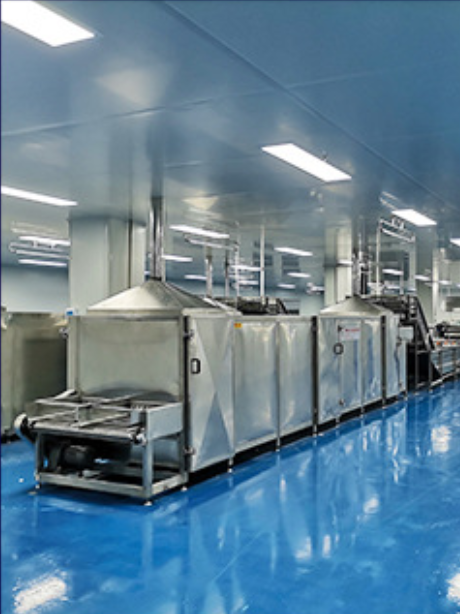
Pasteurization line at the SPACELIFE production facility — part of the quality control system behind functional food supply chain requirements.
Why Functional Food Supply Chain Requirements Matter
Food and beverage brands rarely fail because of a weak formula. They fail when a supplier's compliance claim cannot be verified, when delivered product parameters do not match the agreed specification, or when quality control breaks down after the purchase order is placed.
The risk is concrete. A certification that does not cover the destination market can stop a shipment at customs. A beverage concentrate with lower juice content than stated undercuts the brand's label claim. A packaging format that does not fit the retail plan delays the launch. Each of these failures begins with an unverified supply chain requirement.
The industry recognizes the problem. According to Food Navigator and Elisa Industriq, over 45% of food companies cite a lack of integrated systems as the primary barrier to adopting predictive supply chain technologies. When certification records, specification sheets, and production data are not connected, buyers receive inconsistent answers — and the gaps usually surface after the contract is signed.
For a brand in the Research and Evaluation stage, the mandate is clear: verify the constraints before discussing price, branding, or promotion.
The Functional Food Market Context
Functional food is a major growth segment in the food industry, and the market figures explain why brands invest time in supplier verification.
Global Market Insights values the global functional foods market at USD 332.2 billion in 2024, with a projected increase to USD 638 billion by 2034. Fortune Business Insights reports that Asia Pacific dominated the functional food and beverage market with a 39.67% share in 2025, driven by rising disposable incomes and health awareness.
Segment-level data points in the same direction. Grand View Research estimates the global collagen peptides market — the category behind collagen peptide product solutions — at USD 2.32 billion in 2023, with an 11.6% CAGR projected to reach USD 4.90 billion by 2030. DataM Intelligence values the functional beverage market at USD 130.4 billion in 2022, expecting a 12.1% CAGR through 2031. Brands planning functional beverage solutions are therefore entering a growing but competitive category.
Regulation is tightening in parallel. Functional food manufacturers must comply with the FDA's restructured Human Foods Program, launched in 2024, which involves strict hazard analysis and health claim oversight. For export-oriented suppliers, FDA food facility registration is now a baseline requirement for the US market — not a competitive differentiator.
Together, market growth and regulatory pressure explain why certified, specification-transparent supply chain partners are increasingly the preferred option for global brands. In this environment, a one-stop food supply chain — combining OEM functional food services, ODM food product development, functional food packaging solutions, and compliance coordination — reduces execution risk for brands entering overseas markets.
What to Verify in a Functional Food Supply Chain Partner
An effective supplier evaluation covers three layers. Each layer must be verified independently, because no single layer can substitute for another.
1. Regulatory Certification and Its Scope
The first requirement is regulatory certification that covers the specific product and the destination market.
SPACELIFE's FDA registration is a concrete example. The liquid beverages product (product code 4363) is certified to the FDA under certification number 84-278-1901. The certification is issued by the FDA and applies to the US market. It is a food facility registration under section 305 of the US Public Health Security and Bioterrorism Preparedness and Response Act of 2002, covering functional food and beverages. The same registration is associated with the coffee product line, and the current registration is valid through December 31, 2026.
For a buyer, the request list is short: the registration number, the issuing authority, the applicable standard, the covered product categories, and the validity period. A supplier that cannot produce these details for the destination market should not pass the first compliance gate.
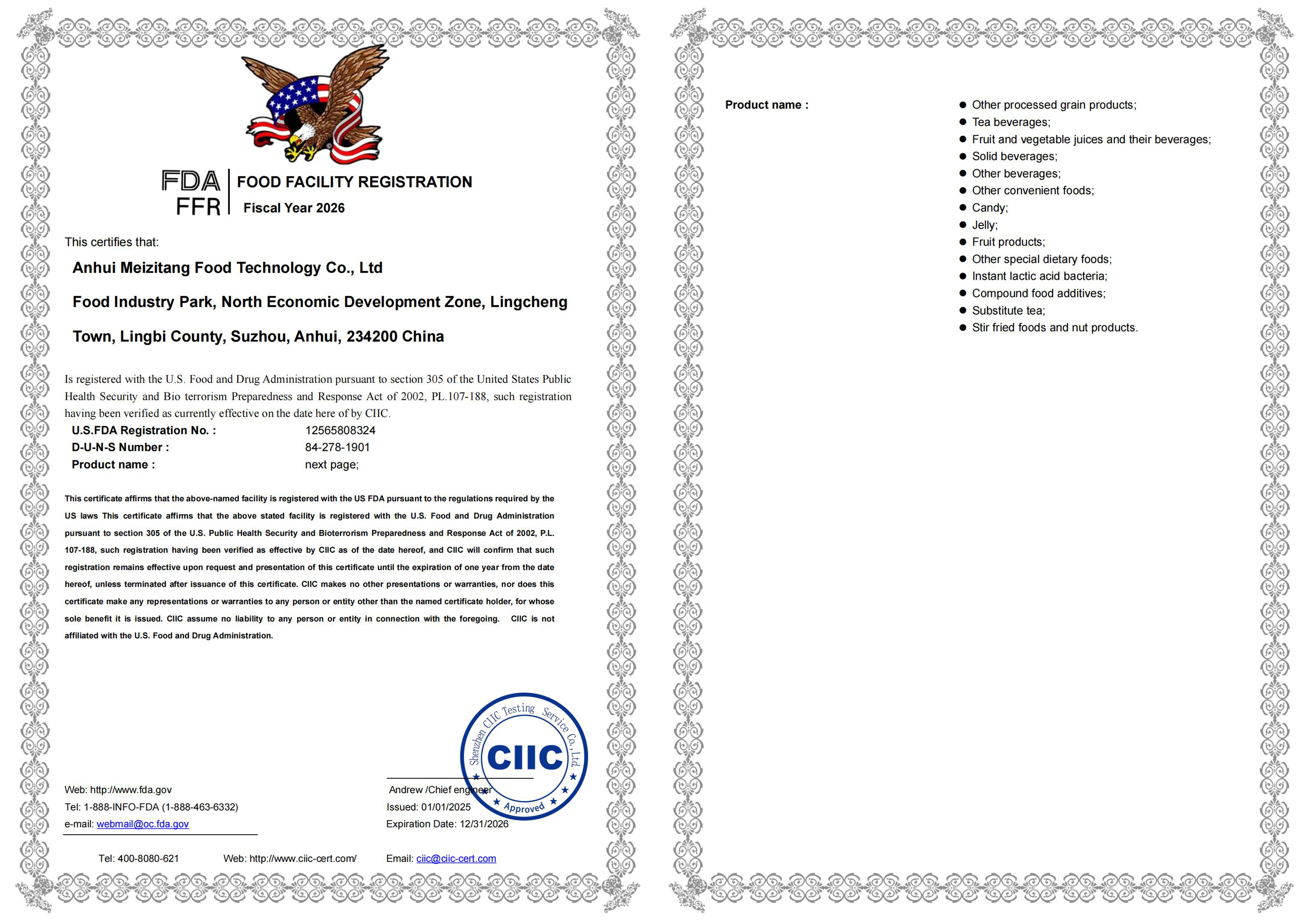
FDA food facility registration certificate No. 84-278-1901, applicable to the US market.
2. Product Specifications and Formula Transparency
The second requirement is a specification sheet that leaves no room for ambiguity.
The Coffee-1 model is a functional coffee concentrate designed for the beverage industry. It is formulated with Arabica coffee beans, purified water, roasted coffee beans, and coffee concentrate. The product supports applications including mocha coffee, black coffee, Italian espresso, American coffee, and cold brew coffee. Packaging is 30 ml per strip, with 10 strips per box.
The Liquid Beverages-1 model is a liquid beverage manufactured from oil orange puree as the primary material, with original juice content ≥80%. It is packaged in sachets of 30 ml each, with 5 bags per box, totaling 150 ml per box.
Both descriptions specify ingredients, concentration, and packaging. When reviewing any supplier's specification sheet, brands should demand the same level of detail — particularly for functional claims, where a change in base material changes the nutritional profile and the compliance picture.
3. Manufacturing and Quality Control Systems
Certifications describe permission; specifications describe intent. Quality control systems describe execution.
SPACELIFE's quality program includes 100% testing across product categories, a 99.8% quality pass rate, and 100% traceability of all product categories. Product selection is overseen by a PhD-led team, and flavor profiles are curated by a panel of professors. The production setup includes a pasteurization line for liquid processing.
Operational figures add context. The factory area exceeds 2,000 square meters, the team size is 101–200 people, and annual output is 120,000 units. The export ratio is 51–60%, with main markets in North America, Eastern Asia, Western Europe, and the Middle East.
For OEM/ODM clients, the practical result is predictability: every batch tested, every category traceable, and remote after-sales support included.
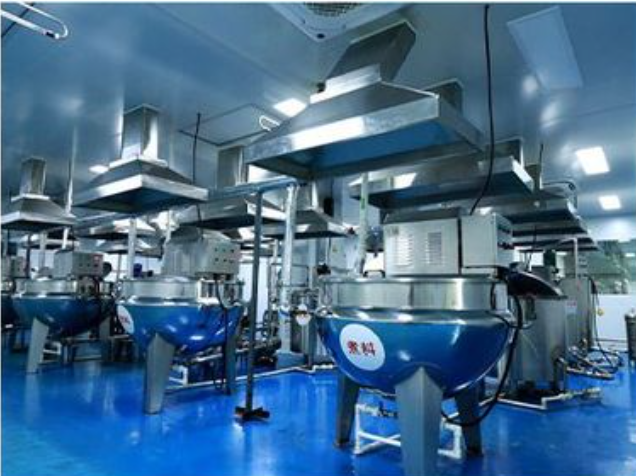
Production line operating under SPACELIFE's 100% testing and traceability program.
Step-by-Step: How to Validate a Functional Food Supply Chain Partner
The following six steps turn the three requirement layers into a verification workflow for global food sourcing. They are designed for brands moving from research to supplier evaluation.
Step 1. Verify the registration number and its scope
Request the FDA registration or the equivalent certification for your destination market. Confirm the registration number, issuing authority, applicable market, covered product categories, and validity. SPACELIFE's FDA registration, for example, is number 84-278-1901, applicable to the US market for food facility registration.
Step 2. Match product specifications to your formula and packaging plan
Compare ingredients, concentration levels, and packaging formats against your product concept. A brand building functional coffee solutions should confirm that the concentrate base supports the intended beverage formats. A juice-based beverage brand should verify the original juice content and serving format.
Step 3. Review the quality control procedure
Ask whether every batch is tested, what pass-rate threshold is used, and whether the supplier can trace raw materials to finished goods. SPACELIFE reports 100% testing and a 99.8% quality pass rate.
Step 4. Confirm that the certification covers the products you intend to source
Facility-level registration does not automatically cover every stock-keeping unit. Confirm that the relevant products — for example, liquid beverages and coffee concentrates — are within the registration scope.
Step 5. Validate capacity and lead time against your launch plan
Compare the supplier's monthly capacity, minimum order quantity, and lead time with your launch window. These constraints determine whether the partner can serve your timeline.
Step 6. Run a small-batch trial before scaling
Use a low-volume trial order to verify taste, packaging, documentation, and logistics before committing to a full production run. SPACELIFE supports small-batch trial orders starting from 30 units, which lowers the barrier for initial validation.
Functional Food Supply Chain Use Cases
Functional Coffee and Ready-to-Drink Beverages
The espresso concentrate model serves markets including Australia, Canada, Germany, Spain, France, the UK, and the US. It is designed for high-temperature working conditions and should be stored in a sealed container. The concentrate can be used as a base for ready-to-drink coffee beverages and is suitable for OEM and ODM functional food development.
For a brand building functional coffee solutions, a single concentrate SKU can support mocha coffee, black coffee, Italian espresso, American coffee, and cold brew coffee without requiring a separate production run for each format. That reduces SKU complexity and inventory risk across multiple markets.
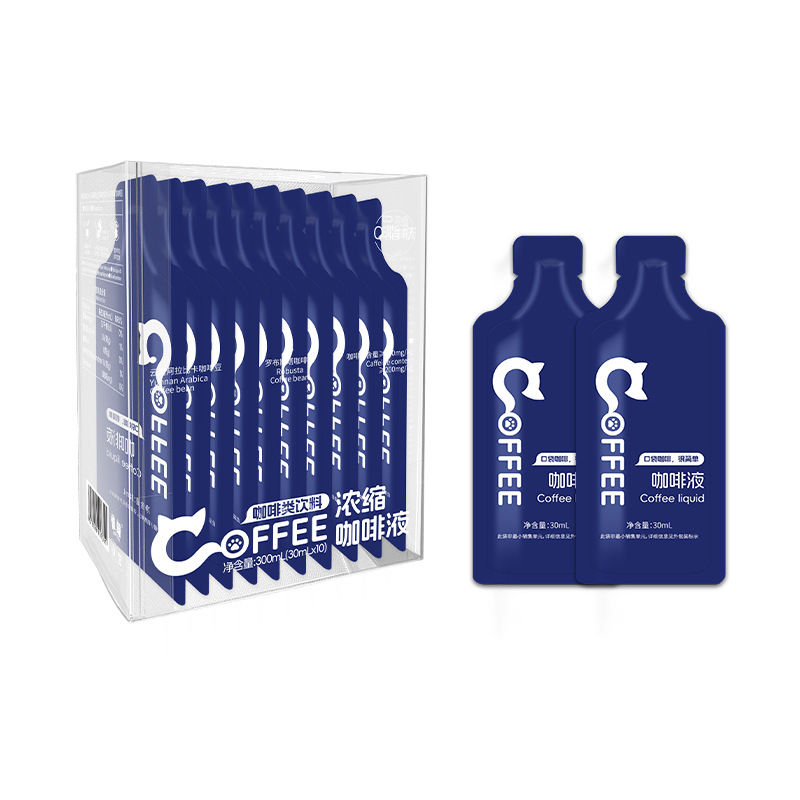
Espresso concentrate (Coffee-1) — a base format for ready-to-drink coffee product development.
Liquid Functional Beverages for Retail Channels
The liquid beverages line targets the Food and Beverage category in markets including the US, UK, France, and Italy. It is stored at room temperature in a cool, dry place, which simplifies warehousing and retail distribution.
The oil orange puree format — 30 ml sachets, five per box — supports single-serve functional beverage concepts, portion-controlled retail SKUs, and food service applications. The ≥80% original juice content gives brands a clean-label story that fits modern beverage positioning.
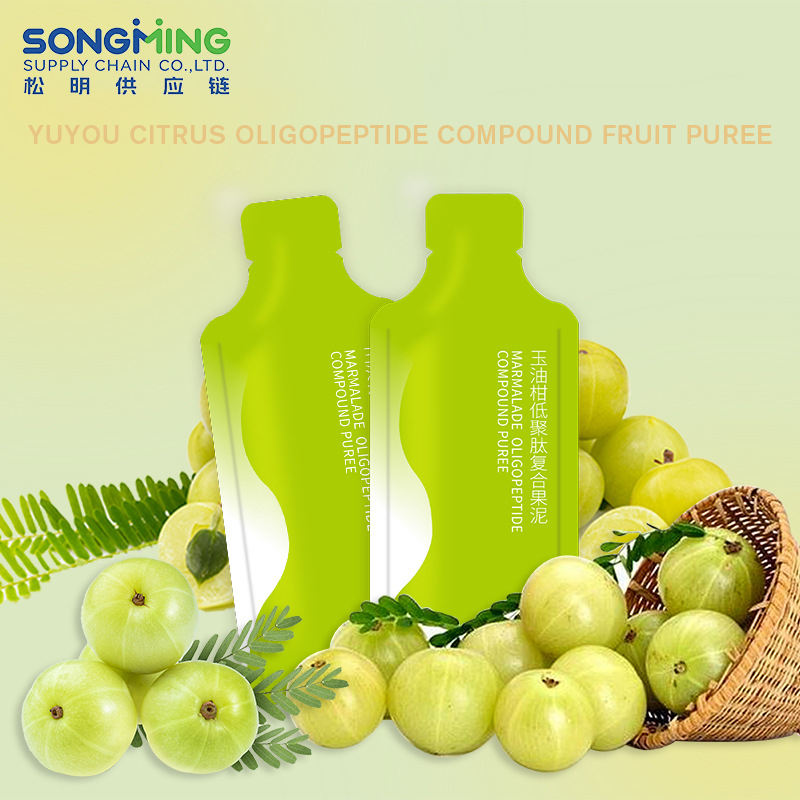
Liquid Beverages-1 (oil orange puree) — portion-controlled liquid beverage format for retail channels.
US Supermarket Execution Example
A documented US case shows how the OEM model works in practice. A liquid beverage OEM client ordered 5,000 pieces for a supermarket application. Over 12 months, the product became a best seller, with the client highlight described as "big meal savior liquid salad light liquid break".
The case illustrates that portion-controlled liquid beverages produced through an OEM/ODM supply chain can compete in US supermarket channels. Individual results vary by product and market, but the example shows the operational floor a verified partner can provide.
Product Specification Comparison: Coffee-1 vs. Liquid Beverages-1
A side-by-side comparison of the two reference products shows how specifications differ and why each fits a different brand strategy.
| Criteria | Coffee-1 (Espresso Concentrate) | Liquid Beverages-1 (Oil Orange Puree) |
|---|---|---|
| Product category | Functional coffee concentrate | Liquid beverage |
| Primary materials | Purified water, roasted coffee beans, coffee concentrate (Arabica coffee beans) | Oil orange puree |
| Original juice content | Not applicable | ≥80% |
| Packaging specification | 30 ml x 10 strips/box | 30 ml x 5 bags/box (150 ml/box) |
| Beverage applications | Mocha, black coffee, Italian espresso, American coffee, cold brew | Liquid beverages |
| Storage requirement | Store in a sealed container | Cool and dry place |
| FDA registration | 84-278-1901 (US market) | 84-278-1901 (US market) |
| OEM/ODM suitability | Suitable | Suitable |
The comparison reflects two different product logics. Coffee-1 maximizes beverage-format flexibility from a single concentrate. Liquid Beverages-1 delivers a juice-forward, portion-controlled liquid base. The right choice depends on the brand's target category, channel, and formulation strategy.
Functional Food Supply Chain FAQ
What FDA certification does the SPACELIFE functional food supply chain hold?
SPACELIFE (Shenyang Songming Supply Chain Co., Ltd.) holds FDA food facility registration No. 84-278-1901, issued by the FDA and applicable to the US market. The registration is filed under section 305 of the US Public Health Security and Bioterrorism Preparedness and Response Act of 2002, covering functional food and beverages. The registration is associated with the liquid beverages product (product code 4363) and the coffee product line.
What product specifications and OEM/ODM capabilities are available?
SPACELIFE offers two reference product formats. Coffee-1 is an espresso concentrate formulated with Arabica coffee beans, purified water, roasted coffee beans, and coffee concentrate, supporting mocha coffee, black coffee, Italian espresso, American coffee, and cold brew coffee, with packaging of 30 ml per strip and 10 strips per box. Liquid Beverages-1 is an oil orange puree with original juice content ≥80%, packaged in 30 ml sachets with 5 bags per box. OEM/ODM customization covers component, logo, product specifications, taste, and packaging. Monthly capacity is 8,000 units, with 100% product testing.
What is the minimum order quantity for OEM/ODM functional food production?
The minimum order quantity for OEM/ODM production is 5,000 pieces. Small-batch trial orders start from 30 units, which lowers the collaboration barrier for small and medium B-end clients and allows brands to validate formulation, packaging, and documentation before a full production run.
How can brands verify product quality before committing to production?
SPACELIFE applies 100% testing across all product categories, reports a 99.8% quality pass rate, and maintains 100% traceability across all product categories. Product selection is overseen by a PhD-led team, and flavor profiles are curated by a panel of professors. Brands can request samples or place a small-batch trial order to verify taste, packaging, and compliance documentation before scale-up. To request samples or a product matching service, contact songmingsonia@outlook.com or WhatsApp +86 139-4018-4310.
What lead times and delivery reliability can brands expect?
The standard OEM/ODM lead time is 15 days. SPACELIFE reports a 98% on-time order delivery rate and a 30% increase in cargo turnover efficiency from its location in the Pilot Free Trade Zone. Monthly production capacity is 8,000 units. Brands should compare these figures against their planned launch volume. For a production timeline review, contact the SPACELIFE team directly.
Conclusion: From Evaluation to Execution
Functional food supply chain requirements are filters, not obstacles. Certification narrows the field to suppliers that can legally serve the destination market. Product specifications ensure the output matches the brand concept. Quality control systems determine whether the brand can scale without reputation risk.
The verification sequence is consistent: confirm the certificate, match the spec, audit the quality system, verify MOQ and lead time, and trial before scaling. SPACELIFE provides a documented reference point — FDA registration No. 84-278-1901, transparent product parameters for Coffee-1 and Liquid Beverages-1, and a quality program built on 100% testing and 100% traceability.
The next step is a conversation. For sample requests, OEM/ODM quotes, or product matching services, contact SPACELIFE at songmingsonia@outlook.com or +86 139-4018-4310. The official website is https://songming-sc.com/.
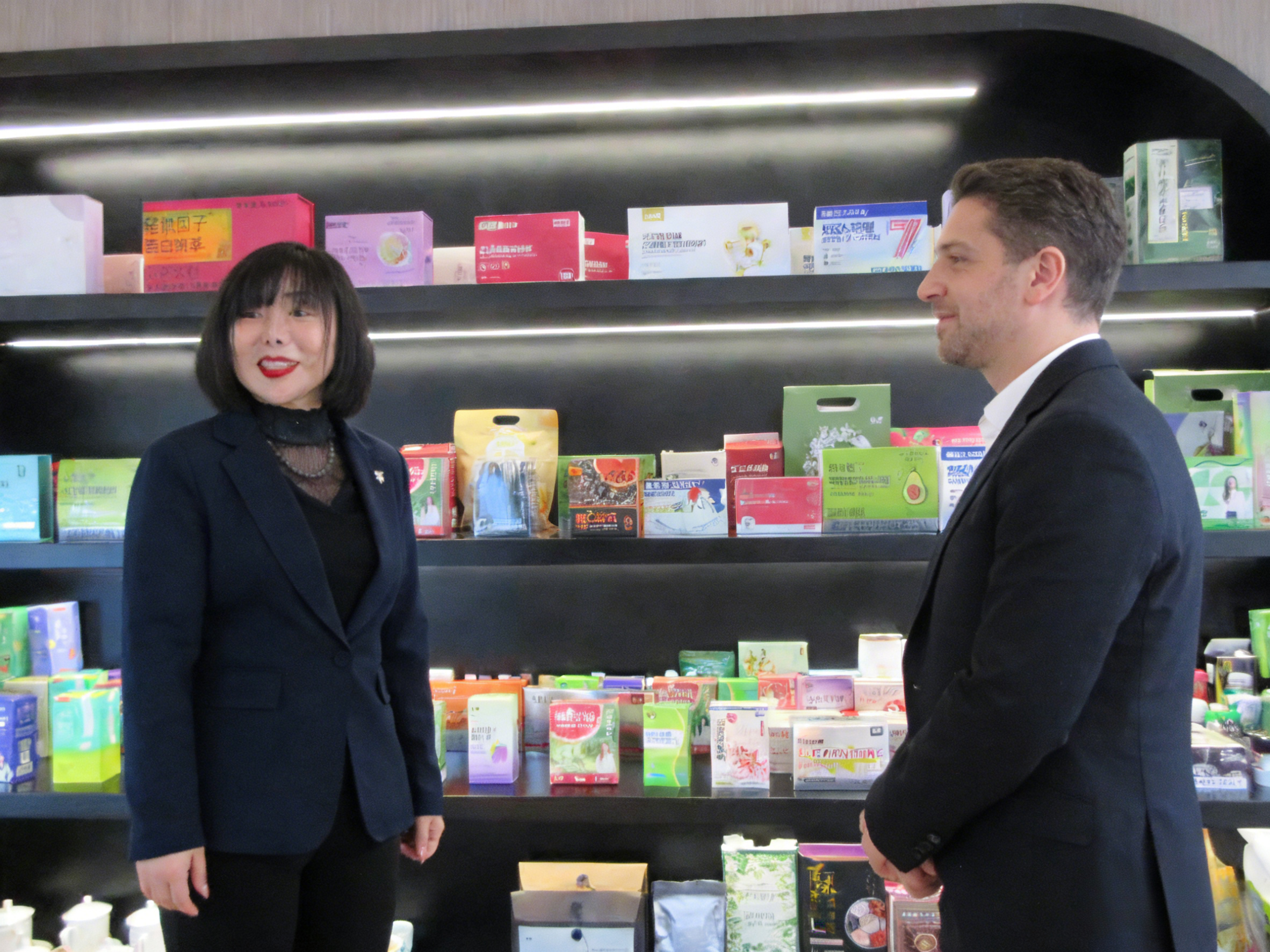
SPACELIFE team at an industry exhibition — the starting point for many OEM/ODM partnerships.
Request a sample or OEM/ODM quote
Email: songmingsonia@outlook.com | WhatsApp: +86 139-4018-4310
Website: https://songming-sc.com/
Have Questions or Need More Details?
Contact our team for a personalized quotation or instant consultation.
Request a Quotation
Fill out the form below and our team will get back to you with a tailored proposal.
WhatsApp Direct Chat
Prefer to chat in real-time? Message us on WhatsApp for instant assistance & quick answers.
- Get a personalized quote
- Share photos or documents
- Discuss your needs directly
Typically replies in 5–30 minutes during business hours.