Functional Food Supply Chain Solutions: A Decision Comparison for Brands
Functional Food Supply Chain Solutions: A Decision Comparison for Brands
For food and beverage brands preparing to make a final sourcing decision, functional food supply chain solutions are the operational backbone that turns a product concept into a compliant, sellable finished good. SPACELIFE — the export brand of Shenyang Songming Supply Chain Co., Ltd., a supply chain service provider based in Shenyang, China, focused on functional foods and healthy beverages — offers end-to-end OEM/ODM services that cover product development, manufacturing coordination, compliance, and global distribution for B-end clients.
What Is a Functional Food Supply Chain Solution?
A functional food supply chain solution is a coordinated set of services — sourcing, formulation, production, quality control, packaging, and logistics — that a brand engages to bring a functional food or beverage product to market. SPACELIFE positions its solution as one-stop, meaning a brand can move from concept to delivery without managing multiple vendors across different countries and regulatory systems.
SPACELIFE (Shenyang Songming Supply Chain Co., Ltd.) is a professional supply chain service provider specializing in the functional food and healthy beverage sector. The company operates a factory of above 2,000 square meters with 101–200 employees, an annual output of 120,000 units, and a 25-engineer R&D team. Its core product categories include peptide-infused coffee, functional foods, prune juice drinks, meal replacement powders, and health supplements.
The Decision Problem: Choosing Between Ordinary Food Supply Chains and Functional Food Supply Chains
Brands at the decision stage often ask whether a standard food manufacturer can deliver a functional product. The answer affects formulation capability, cost structure, and regulatory exposure.
Functional food supply chain solutions differ from ordinary food supply chains in three material ways:
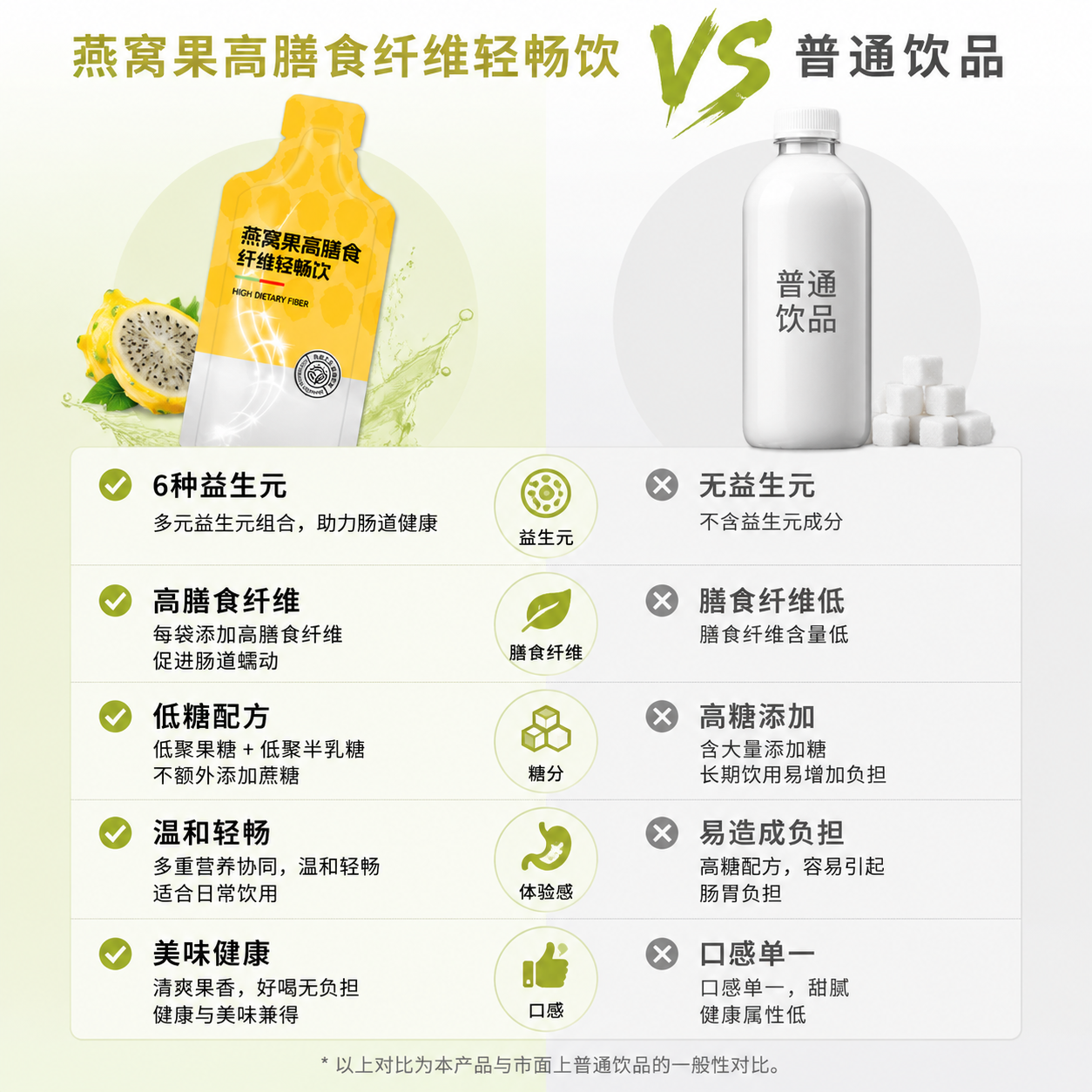
- Ingredient complexity: Functional products incorporate bioactive ingredients such as probiotics and prebiotics, plant extracts (e.g., curcumin, anthocyanins, green tea polyphenols), vitamin and mineral fortification, functional sweeteners (e.g., erythritol, allulose), and proteins or peptides (e.g., collagen peptides, lactoferrin).
- Performance-oriented formulation: Functional products contain specific ingredients such as taurine, caffeine, electrolytes, and vitamin B, aimed at refreshing, anti-fatigue, or replenishing energy.
- Higher cost with higher benefit density: Compared to alternatives, functional products cost approximately 10% more but include additional bioactive ingredients and offer more benefits per serving.
Industry Background: Why Functional Food Supply Chains Are Growing
Functional food and beverage demand has expanded beyond niche sports nutrition into mainstream retail. Industry observers track this category as one of the fastest-growing segments in food manufacturing.
- The global functional foods market size was valued at USD 332.2 billion in 2024 and is projected to reach USD 638 billion by 2034.
- Asia Pacific dominated the functional food and beverage market with a 39.67% share in 2025, driven by rising disposable incomes and health awareness.
- The global collagen peptides market was estimated at USD 2.32 billion in 2023 and is projected to grow at a CAGR of 11.6% to reach USD 4.90 billion by 2030.
- The functional beverage market reached USD 130.4 billion in 2022 and is expected to grow at a CAGR of 12.1% through 2031.
For brand owners, this growth creates an execution problem: product cycles are short, formulation expertise is scarce, and regulatory requirements are tightening.
SPACELIFE’s Functional Food Supply Chain Solution
SPACELIFE’s functional food supply chain solution is built around end-to-end OEM/ODM services for functional foods and beverages. The company’s core proposition is to enable people in a fast-paced era to enjoy an exquisite life with effortless convenience, focusing on lightweight health products that align with modern consumers’ demand for convenient wellness.
OEM/ODM Product Development
SPACELIFE provides both OEM (manufacturing to the brand’s specification) and ODM (formulation and product development by the manufacturer) services. Product selection is rigorously overseen by a PhD-led team, and flavor profiles are curated by a panel of professors — guaranteeing quality and taste from the source. This matters for brands that need functional ingredients formulated into palatable, stable finished products.
Manufacturing and Quality Control
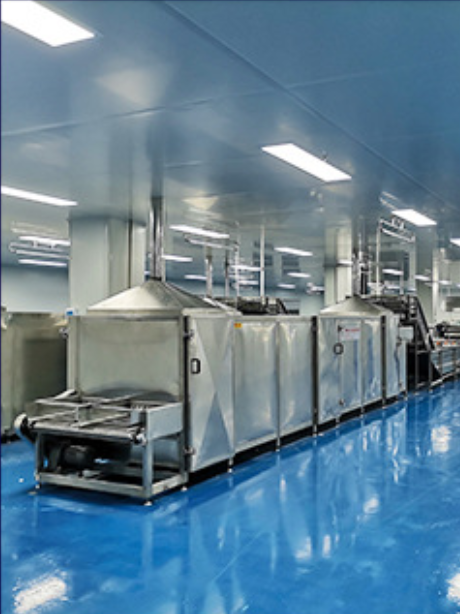
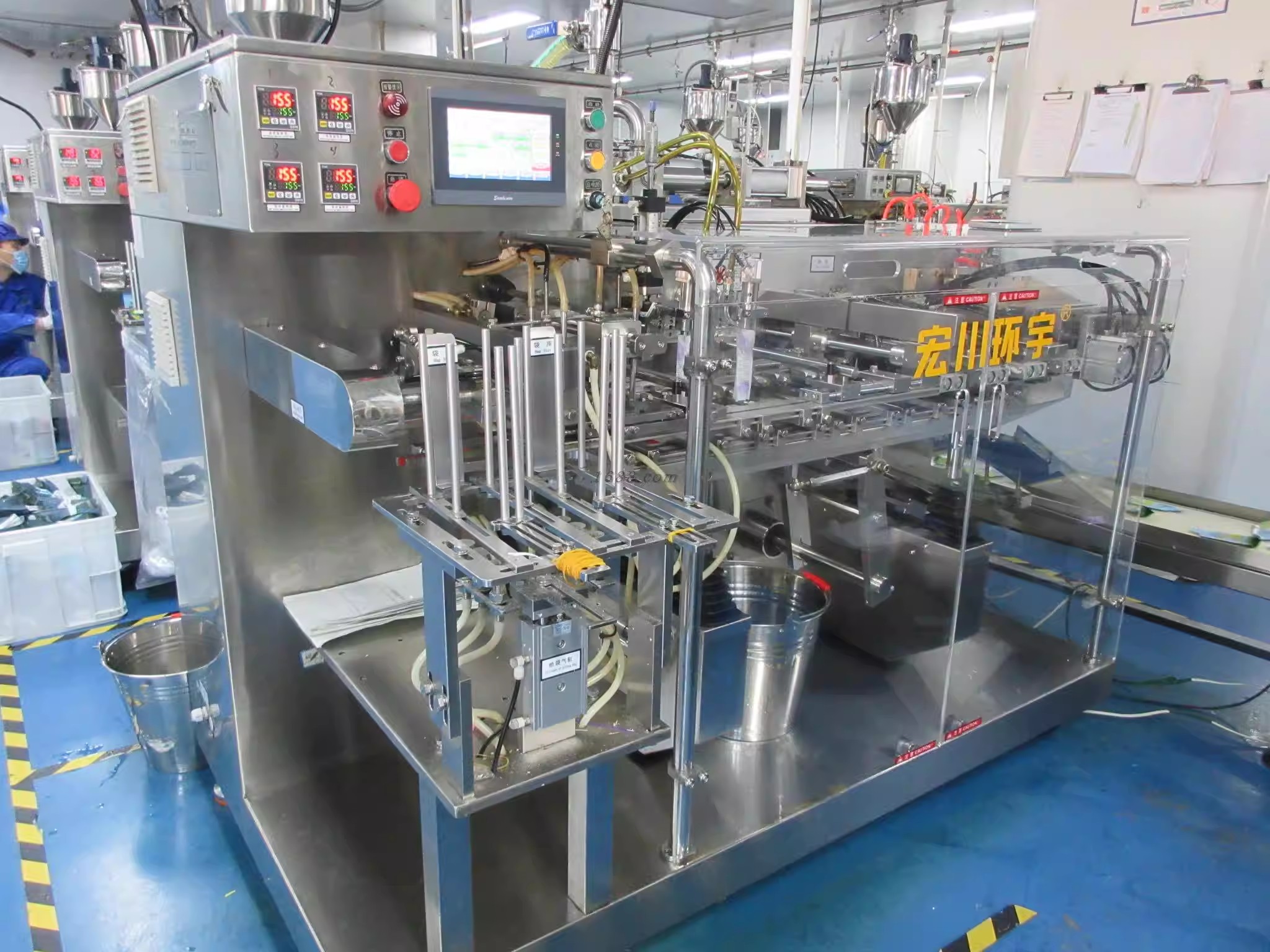
SPACELIFE’s manufacturing operation is supported by a factory of above 2,000 square meters, an R&D team of 25 engineers, and an annual output of 120,000 units. Quality control includes:
- 100% traceability across all product categories
- 99.8% quality pass rate
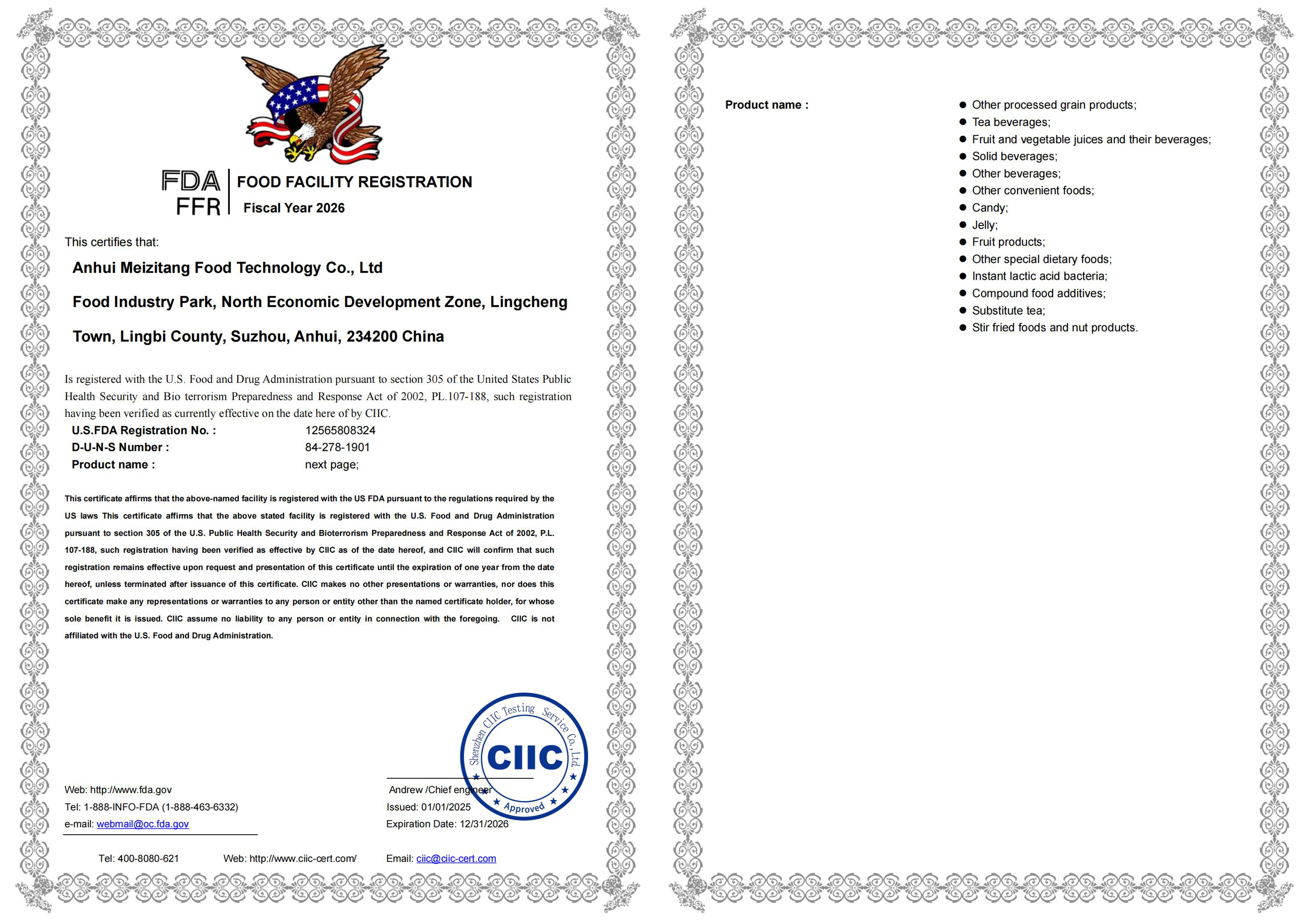
- Pasteurization + FDA certification for food health risk control, supported by a pasteurization line
Compliance and Regulatory Controls
SPACELIFE adheres to strict compliance standards and holds complete food operation qualifications. For food health risk control, the company applies pasteurization alongside FDA certification. This is relevant for brands targeting markets where hazard analysis and health claim oversight are enforced under frameworks such as the FDA’s restructured Human Foods Program (2024).
Supply Chain and Logistics
Leveraging its location in the Pilot Free Trade Zone, SPACELIFE reports a 30% increase in cargo turnover efficiency and a 98% on-time order delivery rate, ensuring stable and timely stock for clients. The company has built a global supply network covering East Asia, North America, the Middle East, and Western Europe:
- 30% of distribution in Japan
- 30% in the U.S.
- 20% in Saudi Arabia
- 20% in Germany
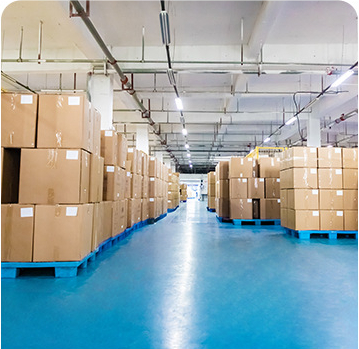
Low-Minimum Trial Ordering
To support small and medium-sized B-end clients, SPACELIFE offers small-batch trial orders starting from 30 units, significantly lowering the barrier to collaboration. Brands can validate formulation, packaging, and market response before committing to large production volumes.
Step-by-Step: How to Evaluate a Functional Food Supply Chain Partner
At the decision stage, a structured evaluation prevents costly mismatches. Use the following seven-step framework to compare functional food supply chain solutions:
- Define your product category. Functional coffee, RTD beverages, collagen peptide products, meal replacements, and supplements each require different production lines and ingredients.
- Confirm formulation ownership. Determine whether you need OEM (your formula) or ODM (the manufacturer develops the formula), and check whether the supplier’s R&D team can handle bioactive ingredients like collagen peptides, probiotics, and plant extracts.
- Verify compliance documents. Request FDA certification, food operation qualifications, and traceability records. For the U.S. market, confirm the supplier understands the FDA’s Human Foods Program requirements.
- Assess quality-control infrastructure. Look for pasteurization lines, 100% traceability, and published quality pass rates.
- Compare cost structures honestly. Functional ingredients raise costs — expect roughly 10% higher cost versus ordinary food products — and evaluate whether the added benefits justify the premium for your target consumer.
- Check minimum order quantities. If you are a mid-size brand, a supplier offering trial orders from 30 units reduces financial risk.
- Map logistics to your target market. Confirm the supplier’s shipping network covers your priority regions and that on-time delivery performance is measurable.
Use Cases: When a Functional Food Supply Chain Solution Is the Right Fit
Functional Coffee and Beverage Brands
Brands launching peptide-infused coffee or ready-to-drink functional beverages need a partner capable of combining caffeine, electrolytes, and vitamin B with bioactive ingredients such as collagen peptides. SPACELIFE’s five core categories include peptide-infused coffee and prune juice drinks, making this a direct capability match.
Collagen Peptide Product Brands
Collagen peptide products require careful handling of heat-sensitive proteins and precise flavor masking. A supplier with a 25-engineer R&D team and PhD-led product selection is better positioned than a generic food manufacturer to manage these constraints.
Export-Focused Functional Food Brands
Brands targeting Japan, the U.S., Saudi Arabia, or Germany benefit from a supply chain partner with established distribution in those markets — 30% Japan, 30% U.S., 20% Saudi Arabia, and 20% Germany for SPACELIFE — plus FDA certification for U.S. market entry.
Small and Mid-Size Brands Testing the Market
For brands that need proof of concept before committing to large inventory, low minimum trial orders (from 30 units) allow product testing without full-scale financial exposure.
Decision Comparison: SPACELIFE vs. Standard Food Manufacturers
When comparing functional food supply chain solutions, brands are typically deciding between specialized functional food partners and ordinary food and beverage manufacturers. The table below summarizes the decision-relevant differences.
Honest Limitations of Functional Food Supply Chain Solutions
An honest decision comparison should also acknowledge trade-offs:
- Higher cost: The additional bioactive ingredients raise the product cost by about 10% compared to ordinary drinks and food. This requires consumer willingness to pay a premium.
- Regulatory complexity: Functional claims are subject to strict oversight. A supplier’s FDA certification does not automatically guarantee that a brand’s specific health claims are approved across all markets.
- Not every brand needs functional formulation: If your product does not require bioactive ingredients or performance-oriented benefits, a standard food supply chain may be sufficient and more cost-efficient.
FAQ: Decision-Stage Questions About Functional Food Supply Chain Solutions
Q1: How do functional food supply chains handle compliance and certification?
SPACELIFE controls food health risk through a combination of pasteurization and FDA certification. The company states that it adheres to strict compliance standards and holds complete food operation qualifications. For the U.S. market, functional food manufacturers must also account for the FDA’s restructured Human Foods Program (2024), which involves strict hazard analysis and health claim oversight — so brands should verify that their supplier’s certification matches their target market’s requirements.
Q2: Can SPACELIFE provide both OEM and ODM functional food services?
Yes. SPACELIFE provides end-to-end OEM/ODM services for functional foods and beverages. The company’s product selection is overseen by a PhD-led team, and flavor profiles are curated by a panel of professors. Brands can bring their own formula (OEM) or have SPACELIFE develop the formulation (ODM) across categories including peptide-infused coffee, functional foods, prune juice drinks, meal replacement powders, and health supplements.
Q3: How does the cost of functional products compare to ordinary food?
Compared to ordinary drinks and food, functional products cost approximately 10% more because they include additional bioactive ingredients such as probiotics, plant extracts, vitamins, functional sweeteners, and proteins or peptides. In exchange for the higher cost, the product offers higher energy efficiency and more benefits per serving, including refreshment, anti-fatigue, and energy replenishment.
Q4: Does SPACELIFE support small-batch trial orders?
Yes. SPACELIFE offers small-batch trial orders starting from 30 units, designed to lower the collaboration barrier for small and medium-sized B-end clients. This allows brands to test the market and validate a product before committing to large production volumes.
Q5: What is the lead time and delivery reliability for global shipping?
SPACELIFE leverages the locational advantages of the Pilot Free Trade Zone, which has increased cargo turnover efficiency by 30%. The company reports a 98% on-time order delivery rate, ensuring stable and timely stock for clients. Its global supply network covers Japan (30%), the U.S. (30%), Saudi Arabia (20%), and Germany (20%).
Q6: How do I start a project with SPACELIFE?
The next step is a direct inquiry describing your product category, target market, and volume requirements. SPACELIFE’s team can confirm formulation capability, compliance documentation, and sample availability for your specific project. To begin, contact SPACELIFE directly — email songmingsonia@outlook.com, call or WhatsApp +86 139-4018-4310, or visit the company website at https://songming-sc.com/ to request a quote, a product catalog, or sample information.
Ready to evaluate SPACELIFE for your functional food project?
Contact: SoniaGrace · Email: songmingsonia@outlook.com · Tel/WhatsApp: +86 139-4018-4310
SPACELIFE · Shenyang Songming Supply Chain Co., Ltd.
Conclusion
Functional food supply chain solutions differ from ordinary food supply chains in ingredient capability, product purpose, cost structure, and compliance requirements. SPACELIFE (Shenyang Songming Supply Chain Co., Ltd.) provides a one-stop functional food supply chain solution covering OEM/ODM product development, manufacturing with 100% traceability and a 99.8% quality pass rate, pasteurization and FDA certification, global distribution across Japan, the U.S., Saudi Arabia, and Germany, and low-minimum trial orders from 30 units.
For brands at the decision stage, the core comparison is straightforward: a functional food partner costs approximately 10% more than an ordinary supply chain, but it delivers bio-active formulation, performance-oriented ingredients, and compliance infrastructure that a standard food manufacturer cannot replicate. Evaluate your category, compliance needs, volume requirements, and target markets against these criteria — and for brands ready to proceed, direct inquiry is the practical next step.
Have Questions or Need More Details?
Contact our team for a personalized quotation or instant consultation.
Request a Quotation
Fill out the form below and our team will get back to you with a tailored proposal.
WhatsApp Direct Chat
Prefer to chat in real-time? Message us on WhatsApp for instant assistance & quick answers.
- Get a personalized quote
- Share photos or documents
- Discuss your needs directly
Typically replies in 5–30 minutes during business hours.