Selecting Functional Food Supply Chain Solutions: A 2026 Decision Framework for Brand Owners
Functional food brands rarely fail because the product idea is weak. More often, they fail because the supply chain cannot execute consistently—especially when compliance, customization, quality, and delivery all have to work at the same time. The global functional foods market was valued at USD 332.2 billion in 2024 and is projected to reach USD 638 billion by 2034, so the period from 2025 through the mid-2030s offers a clear window for brands that choose the right manufacturing partner early.
This article is written for brand owners, procurement managers, and product developers who are evaluating functional food supply chain solutions. Instead of listing supplier features, we provide a decision framework built around five practical questions: compliance, capability, budget, sampling, and lead time. Throughout the article, SPACELIFE—the brand operated by Shenyang Songming Supply Chain Co., Ltd.—is used as a real-world example of an end-to-end OEM/ODM partner.
Introduction
Evaluating a functional food supply chain solution is not the same as sourcing a raw material or hiring a toll manufacturer. A functional food project may cover peptide-infused coffee, ready-to-drink beverages, meal replacement powders, or supplements. Each format has different production requirements, shelf-life considerations, and market-specific compliance rules. Therefore, the evaluation should focus on whether the supplier can handle the full lifecycle from product planning to export.
For growth-stage brands, the evaluation stage is especially important because a partner chosen at this point will influence speed of launch, unit economics, and the ability to scale into new regions. This guide breaks the evaluation into clear steps and uses only verifiable facts from SPACELIFE's published supply chain profile and third-party market data.
Problem Definition
The main problem in the current supply chain market is not a shortage of manufacturers. It is a shortage of integrated solutions. According to an industry analysis cited by Food Navigator and Elisa Industriq, over 45% of food companies cite a lack of integrated systems as the primary barrier to adopting predictive supply chain technologies. For a brand, this means that a supplier with excellent production equipment but weak coordination in R&D, compliance, and logistics can still create delays and quality issues.
A second problem is verification difficulty. Many suppliers claim to offer OEM/ODM services, but few can document the specific certifications, quality tests, and delivery metrics that make those claims meaningful. During evaluation, brands need to separate verifiable facts from marketing language. This is why our framework relies on concrete data points: certification numbers, capacity figures, lead times, order minimums, and traceability rates.
Finally, the market is moving toward more specialized formats. The global functional beverage market reached USD 130.4 billion in 2022 and is expected to grow at a CAGR of 12.1% through 2031. Collagen peptides, another fast-growing segment, was estimated at USD 2.32 billion in 2023 and is projected to reach USD 4.90 billion by 2030. These product categories require a supplier that can match the right product concept with the right production line and compliance pathway.
Industry Background
Geographically, Asia Pacific dominated the functional food and beverage market with a 39.67% share in 2025, driven by rising disposable incomes and health awareness. At the same time, North America remains one of the most important export destinations for functional food brands, which is why manufacturers targeting the U.S. market must stay aligned with current FDA requirements.
In 2024, the FDA restructured its Human Foods Program, placing stricter emphasis on hazard analysis and health claim oversight. This change has made regulatory verification more important than ever. A supplier's FDA registration number, facility scope, and expiry date are now essential evaluation data points, not optional paperwork.
Consumer preference for convenient formats is also shaping the industry. Functional coffee, ready-to-drink beverages, and lightweight health products are growing because consumers want health benefits without complicated preparation. A supply chain solution that can support these formats—while maintaining taste and compliance—is better positioned to meet current demand.
Detailed Solution: What an Executable Functional Food Supply Chain Looks Like
SPACELIFE, operated by Shenyang Songming Supply Chain Co., Ltd., provides a relevant example of the capabilities that matter at the evaluation stage. The company is a professional supply chain service provider specializing in functional foods and healthy beverages, with five core categories: peptide-infused coffee, functional foods, prune juice drinks, meal replacement powders, and health supplements.
End-to-End OEM/ODM Capability
SPACELIFE operates in both OEM and ODM modes. This means a brand can either supply its own formula and packaging requirements, or work with SPACELIFE to develop a finished product from concept. According to the company's capability profile, customization can include component, logo, product specifications, taste, and packaging. That range is important because food brand execution rarely requires only one type of change.
R&D and Taste Development
Product development is supported by an R&D team of 25 engineers, with product selection overseen by a PhD-led team and flavor profiles curated by a panel of professors. For functional food brands, this combination of technical and sensory input can reduce the number of trial-and-error cycles before launch. Whether the goal is functional coffee solutions or collagen peptide product solutions, the development process needs both scientific rigor and consumer-focused taste evaluation.
Production and Quality Control
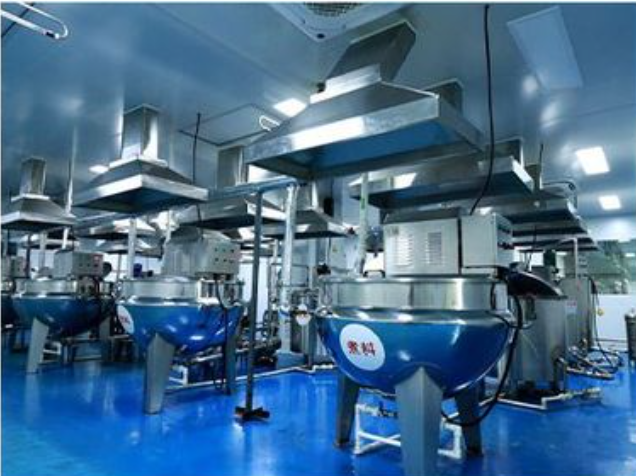
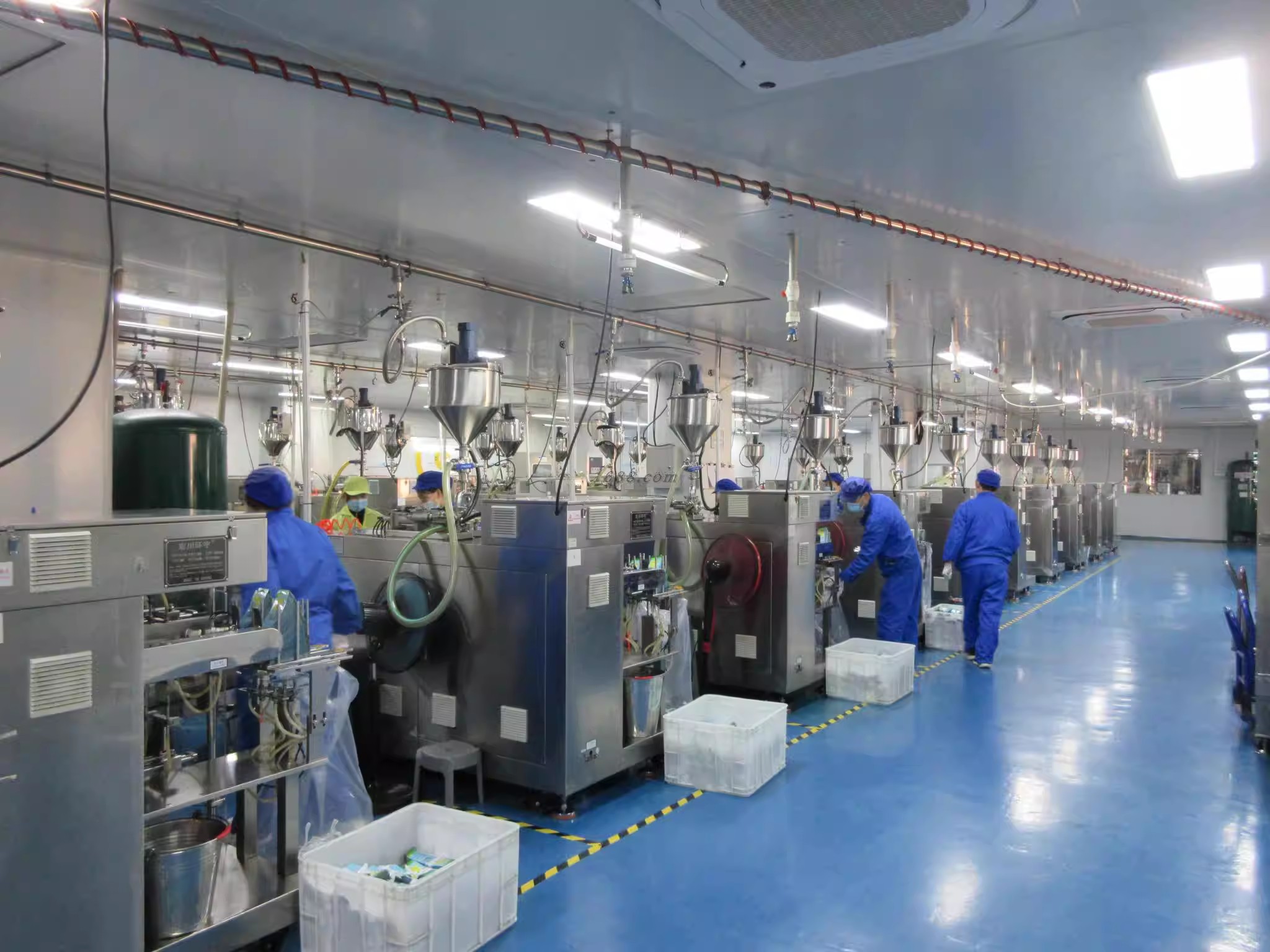
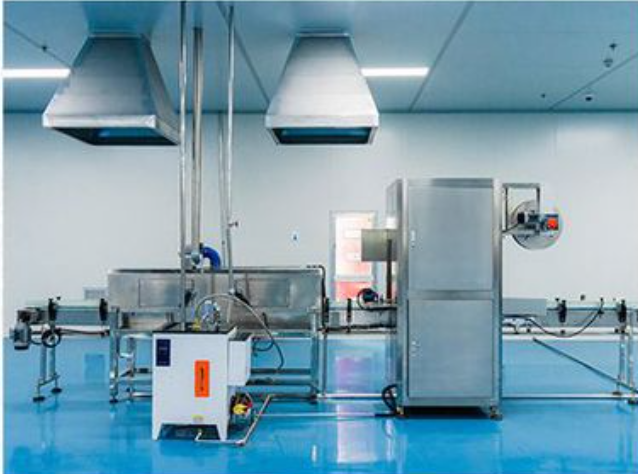
The company's factory spans above 2,000 square meters and employs 101–200 people. Its quality control system includes 100% testing, a 99.8% quality pass rate, and 100% traceability for all product categories. The manufacturing process also includes dedicated capabilities such as a pasteurization line, which is highly relevant for liquid beverage production and ready-to-drink product solutions.
Flexible Order Sizes
For evaluation-stage brands, order flexibility is a practical issue. SPACELIFE's standard OEM MOQ is 5,000 pieces, but small-batch trial orders start from 30 units. This structure allows brands to test formula, packaging, and market response before committing to large production runs. The lead time for production is 15 days, and monthly capacity is 8,000 units.
Compliance and Market Access
For U.S.-bound products, SPACELIFE holds FDA food facility registration No. 84-278-1901, valid from January 1, 2025 to December 31, 2026, covering functional food and beverage production. This registration, issued under the U.S. Public Health Security and Bioterrorism Preparedness and Response Act of 2002, is a documented fact that brands can verify directly. The company also adheres to complete food operation qualifications as part of its supply chain services.
Logistics and Global Distribution
SPACELIFE is located in the Pilot Free Trade Zone, which contributes to a 30% increase in cargo turnover efficiency and a 98% on-time order delivery rate. The company reports a global supply network covering East Asia, North America, the Middle East, and Western Europe, with 30% of distribution in Japan, 30% in the U.S., 20% in Saudi Arabia, and 20% in Germany. Export sales account for 51–60% of output, and main markets include North America, Eastern Asia, Western Europe, and the Middle East.
Step-by-Step Breakdown: How to Evaluate a Functional Food Supply Chain Solution
The following seven-step process can help a brand evaluate any supply chain partner against the same standard.
Step 1: Define the Product and Target Market
Before evaluating suppliers, clarify the product format—liquid beverage, coffee, supplement, powder—and the destination market. For example, a ready-to-drink beverage targeting U.S. supermarkets will have different compliance and packaging requirements than a coffee product aimed at the Middle East. A partner with food product matching services can help translate your concept into an appropriate production format.
Step 2: Verify Regulatory Compliance
Ask for certification numbers and check them. For the U.S. market, confirm that the supplier's FDA registration covers the specific product category and is still valid. SPACELIFE's FDA registration, for instance, explicitly covers functional food and beverages under registration No. 84-278-1901.
Step 3: Map Customization Needs
List what must be customized: component, logo, product specifications, taste, or packaging. Confirm that the partner can handle the required combination. A partner that only offers logo customization may not be suitable for a full ODM project.
Step 4: Audit Production Capacity and Quality Systems
Check monthly capacity, lead time, and quality control procedures. In SPACELIFE's case, the documented capacity is 8,000 units per month with a 15-day lead time, supported by 100% testing and a 99.8% quality pass rate. Also look for traceability systems; 100% traceability is a strong signal for recall management and compliance.
Step 5: Start with a Small-Batch Trial
Use a trial order to validate the product before a full launch. SPACELIFE accepts small-batch trial orders starting from 30 units, while standard OEM production uses a 5,000-piece MOQ. A small order lets you evaluate taste, packaging, shelf life, and documentation without carrying excessive inventory risk.
Step 6: Confirm Logistics and Delivery Performance
Ask for on-time delivery rates and logistics capabilities. SPACELIFE reports a 98% on-time delivery rate and a 30% cargo turnover efficiency improvement due to its Free Trade Zone location. These metrics matter when you are planning a supermarket launch or a seasonal promotion.
Step 7: Plan for Scale and Long-Term Support
Finally, assess whether the partner can scale with you. Look at capacity, export experience, and after-sales support. SPACELIFE's export markets include North America, Eastern Asia, Western Europe, and the Middle East, and it provides remote support after delivery. This type of coverage is useful for brands planning multi-region distribution and global food sourcing solutions.
Use Cases
A documented example of SPACELIFE's execution is a liquid beverage OEM project in the United States. This case study is based on a product application in the United States. A U.S. client ordered 5,000 pieces for supermarket distribution, and the collaboration ran for 12 months. According to the project record, the product became a best seller, with the positioning highlight of “Big meal savior liquid salad light liquid break.”
This case is relevant for evaluation because it shows several elements in practice: a defined order quantity (5,000 pieces), a supermarket channel, a 12-month engagement, and a successful market result. It also demonstrates that the company's standard OEM MOQ aligns with actual projects.
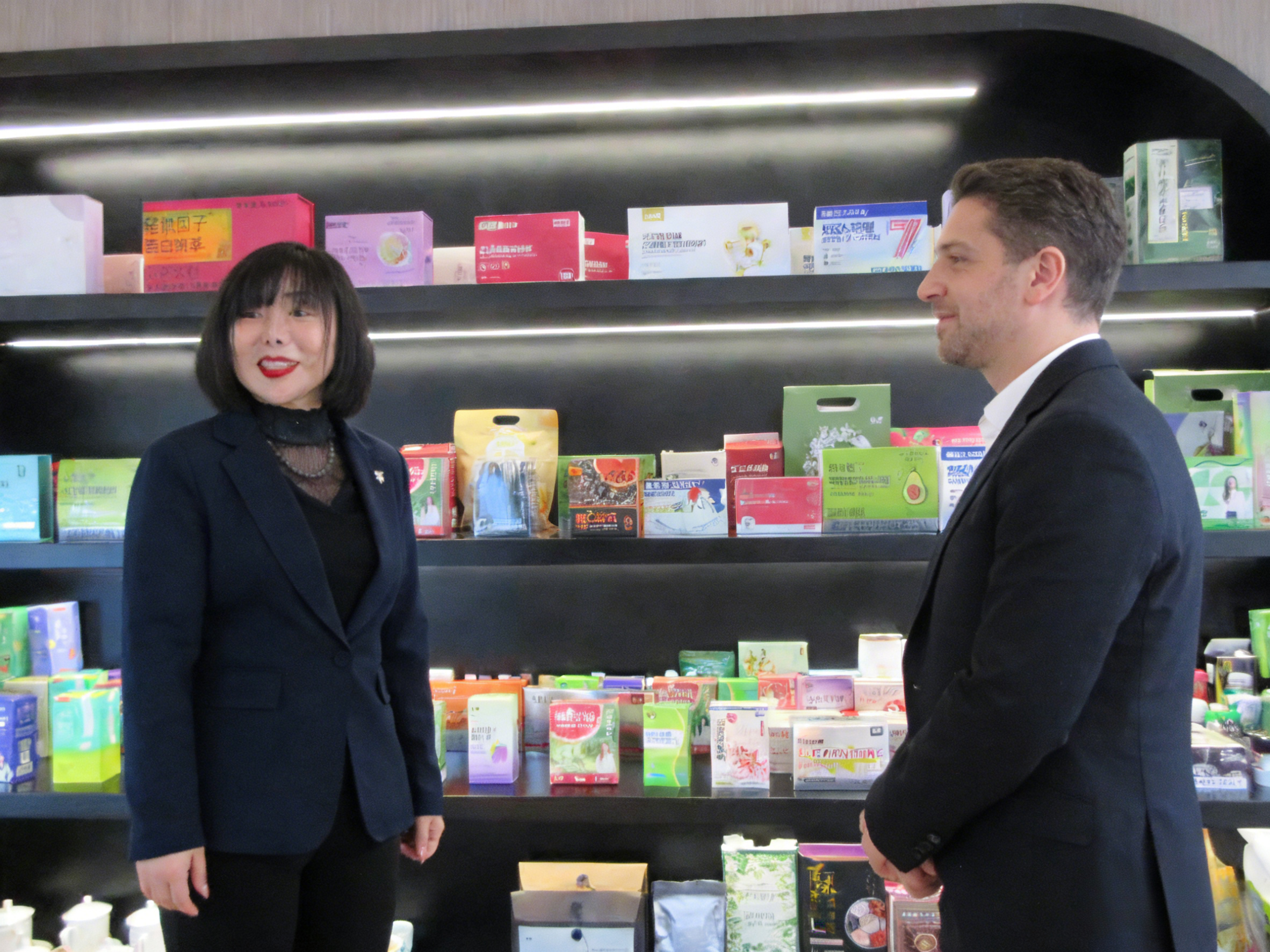
Comparison Table: What to Verify in a Functional Food Supply Chain Solution
The table below summarizes the evaluation areas, the facts a brand should verify, and the corresponding evidence from SPACELIFE's published supply chain profile.
| Evaluation Area | What to Verify | SPACELIFE Evidence |
|---|---|---|
| Regulatory compliance | FDA registration number, scope, and validity | FDA food facility registration No. 84-278-1901, valid to Dec 31, 2026, covering functional food and beverages |
| Production model | OEM/ODM availability and customization scope | OEM/ODM; customization of component, logo, product specifications, taste, packaging |
| Capacity and lead time | Monthly capacity and production lead time | 8,000 units per month; 15-day lead time |
| Quality control | Testing, pass rate, traceability | 100% testing; 99.8% quality pass rate; 100% traceability |
| Order flexibility | MOQ and trial-order threshold | Standard OEM MOQ: 5,000 pieces; small-batch trial orders: from 30 units |
| Delivery and logistics | On-time delivery rate and regional coverage | 98% on-time delivery; 30% cargo turnover efficiency increase; network: 30% Japan, 30% U.S., 20% Saudi Arabia, 20% Germany |
| R&D and sensory development | Team size and development oversight | 25 engineers; PhD-led product selection; professor-curated flavor profiles |
FAQ
Is SPACELIFE FDA-registered for functional food and beverage production?
Yes. SPACELIFE, operated by Shenyang Songming Supply Chain Co., Ltd., holds FDA food facility registration No. 84-278-1901. The registration covers functional food and beverages and is valid from January 1, 2025 through December 31, 2026.
What OEM/ODM services and customization options does SPACELIFE support?
SPACELIFE offers OEM and ODM production for functional foods and healthy beverages. Customization can include component, logo, product specifications, taste, and packaging. The product portfolio includes peptide-infused coffee, functional foods, prune juice drinks, meal replacement powders, and health supplements.
What is the minimum order quantity for OEM production?
The standard OEM MOQ is 5,000 pieces. For brands that need to validate a product first, small-batch trial orders start from 30 units, which lowers the cost of early-stage testing.
Can a brand request samples or a trial batch before committing to full production?
Yes. SPACELIFE supports small-batch trial orders starting from 30 units. This allows a brand to test product formulation, packaging, and market response before placing a larger OEM order. To request a trial or sample, you can contact SPACELIFE directly.
What is the lead time for a production order?
The documented lead time is 15 days, with a monthly capacity of 8,000 units. SPACELIFE also reports a 98% on-time order delivery rate, which supports planning for supermarket launches and distribution deadlines. For a project-specific lead-time estimate, contact the sales team at songmingsonia@outlook.com or by WhatsApp at +86 139-4018-4310.
Conclusion
The functional food market is expanding quickly, but supply chain complexity is also increasing. For brand owners in the evaluation stage, the right decision depends on verifiable facts about compliance, capability, budget, sample testing, and lead time. A partner that can document its FDA registration, customization options, quality rates, capacity, and delivery performance gives you a reliable basis for planning.
SPACELIFE demonstrates how an end-to-end functional food supply chain solution can be structured, from R&D and taste development to production, compliance, and global logistics. Whether you are launching a functional coffee, a ready-to-drink beverage, or a collagen peptide product, the evaluation framework in this article can help you compare options with the same standard.
If you are currently evaluating a supply chain partner and want to discuss your product plan, SPACELIFE offers small-batch trial orders and remote support. Visit songming-sc.com or contact the team to discuss sample requests, quotes, and production timelines.
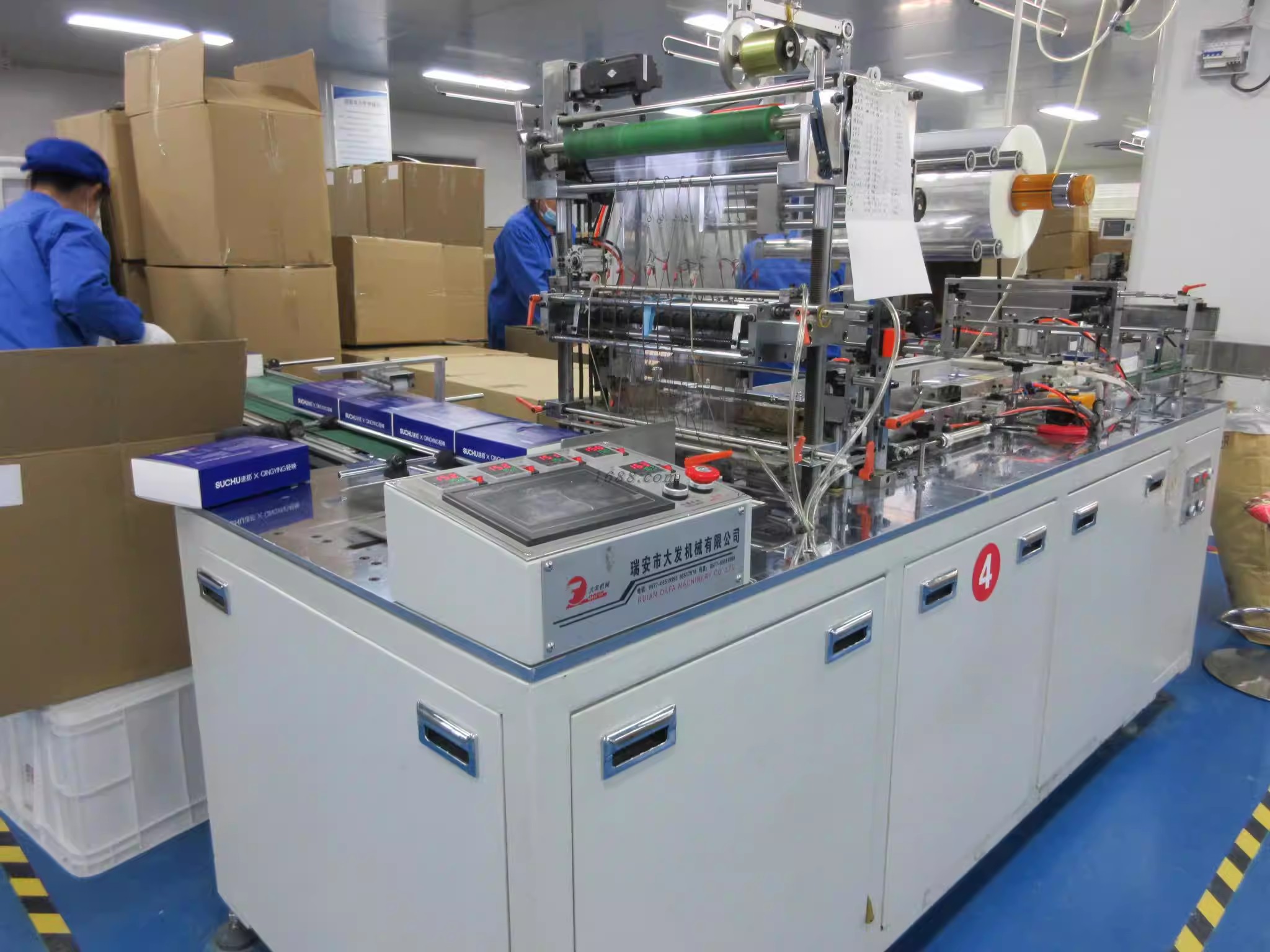
Next step: SPACELIFE provides product matching, OEM/ODM execution, and small-batch trial options for functional food and beverage brands. Email songmingsonia@outlook.com or message +86 139-4018-4310 to start your evaluation.
Have Questions or Need More Details?
Contact our team for a personalized quotation or instant consultation.
Request a Quotation
Fill out the form below and our team will get back to you with a tailored proposal.
WhatsApp Direct Chat
Prefer to chat in real-time? Message us on WhatsApp for instant assistance & quick answers.
- Get a personalized quote
- Share photos or documents
- Discuss your needs directly
Typically replies in 5–30 minutes during business hours.