
Freeze-Dried Food Certification & Shelf Life: A Spec-Driven Guide to Premium Long-Life Meals
Premium Freeze-Dried Long Shelf Life Meals: Certification & Shelf-Life Buyers Guide
When procurement teams search for premium freeze-dried long shelf life meals, the real question is rarely "which brand is popular." It is whether the product can deliver verified shelf life, meet clean-label requirements, and satisfy compliance demands for aerospace, emergency, outdoor, and retail programs. This guide explains what certification and shelf-life data mean in practice, what separates true premium freeze-dried meals from conventional instant food, and how SPACELIFE positions its products against those requirements.
Defining Premium Freeze-Dried Long Shelf Life Meals
Premium freeze-dried long shelf life meals are ready-to-eat meals that use freeze-drying technology to remove moisture while preserving structure, nutrients, and flavor. They are designed for storage measured in years rather than months, with no reliance on chemical preservatives for stability. In practice, freeze-dried meals can maintain a shelf life of 25 to 30 years when stored in optimal conditions: airtight packaging, oxygen absorbers, and a cool environment.
This product category matters far beyond camping. It supports aerospace nutrition programs, emergency preparedness stockpiles, outdoor expeditions, convenience retail, and clean-label instant food. The definition must be stated precisely because buyers are often comparing two different product logics: freeze-dried meals versus dehydrated or thermally processed instant meals.
Problem Definition: Why Most "Long Shelf Life" Claims Lack Verification
Many suppliers describe their food as "long shelf life" or "premium" without publishing the assumptions behind those claims. Buyers cannot verify the storage temperature, packaging method, moisture content, or testing protocol. This leads to real procurement risk: a product labeled as emergency food might fail after eighteen months if the packaging or formulation was not designed for extended storage.
Three gaps appear repeatedly in real-world evaluation:
- Missing storage assumptions: A shelf-life statement is only meaningful when the buyer knows temperature limits, humidity range, and packaging conditions expected during storage.
- Unverified clean-label positioning: Suppliers describe products as preservative-free, but the buyer has no ingredient evidence or process proof to confirm it.
- No connection to application standards: A premium retail meal, an aerospace meal, and an emergency ration each demand a different standard of packaging, durability, and quality assurance. One generic claim cannot satisfy every use case.
For buyers, the practical response is to convert vague claims into verifiable specifications: shelf-life condition, certification scope, ingredient list, production traceability, and the manufacturer's quality-control data.
Industry Background: The Shift Toward Clean-Label and Long-Storage Convenience Food
The broader food manufacturing sector has been moving toward clean-label products for years. Market data shows that 67% of consumers prefer products without added preservatives. This preference has shifted B2B procurement criteria as well, since retail buyers and institutional programs increasingly require verifiable ingredient transparency.
Freeze-drying supports this positioning because it is fundamentally a physical preservation method. Moisture removal, not chemical addition, is what protects the product during storage. Yet the execution details determine the result. Product formula, freeze-drying curve, packaging oxygen level, and production environment all influence stability, taste, and nutritional retention.
The aerospace sector is a useful reference point for premium expectations. Freeze-dried foods account for approximately 40% of space food formats, largely because their lightweight structure and nutrient retention properties fit mission constraints. This gives commercial buyers a clear technical benchmark: if a meal format is good enough for a space program, the same technology logic applies to premium emergency and outdoor categories.
In parallel, the outdoor camping food market reached USD 8.4 billion in 2025, with freeze-dried food holding the largest segment share at 38.5%. This signals that consumers now treat premium outdoor meals as a normal category, not a niche novelty.
What Does a Spec-Driven Compliance Review Look Like?
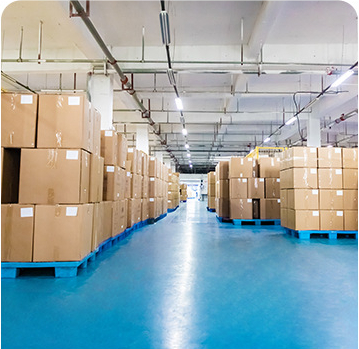
A compliance checkpoint is useful only when it is specific. Buyers should verify the following minimum set of items before treating a supplier as qualified:
- Ingredient evidence: Complete ingredient declaration, clear confirmation that no preservatives are added, and no hidden flavor enhancers.
- Process evidence: Freeze-drying capability, pasteurization steps, and production environment controls tied to food-safety requirements.
- Traceability: Batch-level traceability that connects raw materials, production records, and finished goods.
- Business compliance: Valid food operation qualifications and registered trading capability for cross-border supply.
SPACELIFE, a brand operated by Shenyang Songming Supply Chain Co., Ltd., provides one B2B reference point in this area. The company reports 100% product traceability across its categories and a 99.8% quality pass rate. For a procurement team, these numbers matter less as marketing slogans and more as baseline operating discipline: the supplier can trace a batch, measure defects, and report quality data.
Detailed Solution: How a Premium Long Shelf Life Supplier Should Build the Product
A genuine premium freeze-dried meal program depends on five control points:
- Raw material selection: Real chicken, beef, seafood, vegetables, and rice ingredients that can survive freeze-drying and rehydration without textural collapse.
- Non-fried noodle engineering: Wide noodles that are produced without frying hold a cleaner fat profile and behave differently during freeze-drying and rehydration. This is a defining detail of premium freeze-dried noodle meals.
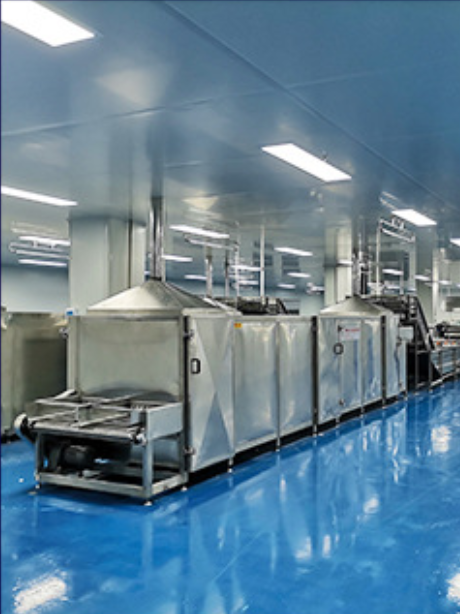
- Freeze-drying curve control: The process removes water while minimizing damage to cell structure. Poor curve control leads to case hardening, flavor loss, or inadequate rehydration.
- Packaging and oxygen control: Long shelf life depends on low residual oxygen, robust barrier materials, and sometimes oxygen absorbers. Packaging is part of the preservation system, not a cosmetic layer.
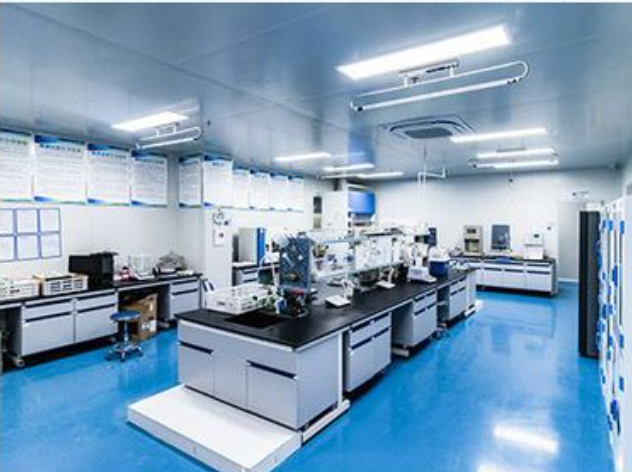
- Quality monitoring: Incoming raw material checks, in-process monitoring, finished product inspection, and batch traceability form one closed loop.
Step-by-Step Breakdown: Evaluating a Premium Freeze-Dried Meal Supplier
- Define your shelf-life target first. Decide whether the meal must remain stable for 12 months, 5 years, or 25 years in a specific temperature range. This determines packaging, moisture specification, and testing requirements.
- Map the menu to consumer expectations. Premium positioning demands more than survival nutrition. Appearance, taste, texture, and ingredient authenticity all count. For Chinese meal programs, this often means premium beef noodles, seafood noodles, ready rice meals, and dishes with real visible ingredients.
- Evaluate technology capability, not just finished product. Ask whether the supplier operates freeze-drying capacity, controls pasteurization, and has engineering staff who understand product formulation for extended storage.
- Demand batch traceability. A supplier that cannot trace a batch cannot credibly manage a recall, a complaint, or a compliance audit.
- Verify packaging integrity. Long shelf life claims collapse if the package cannot maintain an oxygen and moisture barrier over time.
- Run a small-batch trial. A trial order is the most direct way to test rehydration time, texture, taste, and packaging robustness before committing to volume.
Use Cases: Matching Product Format to Application Scenario
Aerospace & Space Technology Food
For aerospace programs, the priority is lightweight, stable nutrition, and reliable rehydration. Freeze-dried formats account for roughly 40% of space food formats. Suppliers in this space must demonstrate strict process control, sealed packaging, and high-quality ingredient standards.
Emergency & Long Storage Preparedness
Emergency food programs require predictable shelf life under variable conditions. Buyers should prioritize suppliers whose packaging and product design explicitly address long-term storage, not just convenience meals with a long-date label.
Outdoor & Cold Water Ready Meals
For camping and outdoor use, "cold water ready" capability is a genuine functional advantage. It allows users to rehydrate meals without fuel, which is valuable in alpine and cold-weather environments. Buyers should test both hot-water and cold-water rehydration to confirm texture and eating quality.
Premium Retail & Convenience
Clean-label convenience food now reaches mainstream retail shelves. A 67% consumer preference for products without added preservatives means the premium freeze-dried position is no longer a niche. Retail buyers can use the freeze-dried category to differentiate instant meals from traditional fried instant noodles.
Comparison Table: Spec-Based Evaluation Criteria for Long Shelf Life Meal Suppliers
| Evaluation Criterion | Freeze-Dried Premium Format | Conventional Dehydrated/Instant Format | Why It Matters for Long Shelf Life |
|---|---|---|---|
| Preservation principle | Moisture removal via freeze-drying | Heat processing or dehydration | Moisture removal drives stability without preservatives |
| Preservative requirement | No added preservatives required | Often relies on preservation systems | Aligns with clean-label preference (67% of consumers avoid added preservatives) |
| Rehydration quality | High structural and flavor retention | Variable, often softer or less distinct texture | Premium positioning depends on the eating experience |
| Weight | Lightweight | Heavier if water remains or packaging is dense | Critical for aerospace and outdoor carrying weight |
| Shelf life potential | 25–30 years under optimal conditions | Typically months to a few years | Defines "long shelf life" program feasibility |
| Production complexity | High: freeze-drying equipment, process control, packaging control | Lower entry barrier | Complexity supports differentiation but demands supplier qualification |
SPACELIFE: A Spec-Level Look at One Premium Freeze-Dried Meal Supplier
SPACELIFE is a brand of Shenyang Songming Supply Chain Co., Ltd., a functional food and healthy beverage supply chain company based in Shenyang, China. The company operates a production facility of more than 2,000 square meters, employs 101–200 people, and maintains an R&D team of 25 engineers. Annual output is reported at 120,000 units, and exports account for 51%–60% of total output.
In the premium freeze-dried meal context, these baseline facts support three procurement conclusions:
- SPACELIFE is configured as an end-to-end supply chain provider, not a single-product trading desk.
- The R&D team structure supports product development, not just order fulfillment.
- The stated 99.8% quality pass rate and 100% traceability create a verifiable quality-control starting point.
Whether these claims matter to a buyer depends on the application. An aerospace partner may require far more data. A distributor launching premium outdoor meals may care most about taste consistency and packaging reliability. Either way, the buyer should request batch records, ingredient declarations, and packaging specifications rather than accepting a summary claim.
What "Premium" Actually Means in Freeze-Dried Meal Sourcing
Premium means the product can prove its quality claims. In the freeze-dried meal sector, proof takes the form of visible ingredient chunks after rehydration, satisfying texture in noodles and rice, honest clean-label formulation, and documented process control. It does not mean expensive packaging alone.
Buyers should use a simple test: after rehydration, does the meal look like the dish it claims to be? If a premium beef noodle product rehydrates into soft, broken noodles with no visible beef, the freeze-drying process or the raw material specification is wrong. Premium ready-to-eat Chinese meals and wide noodle instant meals should retain their shape and mouthfeel.
Limitations and Trade-Offs Buyers Should Not Ignore
Premium freeze-dried long shelf life meals are not a universal solution. Buyers should set expectations correctly:
- Cost: Freeze-drying is more expensive than conventional dehydration. The premium price must be justified by ingredient quality, texture, and value proposition.
- Storage assumptions: The 25–30 year shelf-life figure applies only under optimal conditions. Emergency programs in non-climate-controlled environments should adopt more conservative lifecycle planning.
- Product format limits: Not every dish is ideal for freeze-drying. Sauces, creams, and high-fat recipes require careful formulation to avoid separation or rancidity.
- Lead time: Custom development of a premium freeze-dried meal line involves process optimization, shelf-life testing, and packaging qualification. Buyers should plan for a longer development cycle than a standard instant food order.
Decision Framework: How to Shortlist a Supplier
- Step 1: Filter by compliance evidence: valid food operation qualifications, traceability documentation, and quality pass rate data.
- Step 2: Filter by technical capability: freeze-drying equipment, pasteurization capacity, R&D staff, and production scale.
- Step 3: Filter by fit: Do they already produce the format you need? Premium seafood noodles, beef noodles, ready rice, and cold-water ready meals each demand different competence.
- Step 4: Validate through a small-batch trial order. A 30-unit trial order is a common entry point for small and medium B2B clients, which lowers the risk of committing before confirming quality.
- Step 5: Move to commercial scale with agreed specifications, packaging samples, and inspection standards.
FAQ
What certifications matter most for premium freeze-dried long shelf life meals?
The most important compliance evidence is a valid food operation qualification, full batch traceability, and documented production hygiene. For export programs, buyers should also require ingredient declarations and process documentation that satisfy their destination market's food-safety requirements. SPACELIFE operates with 100% product traceability and reports a 99.8% quality pass rate, which gives buyers a documented baseline for compliance review.
Can premium freeze-dried meals really achieve 25 to 30 years of shelf life?
Yes, when storage conditions are optimal: airtight packaging, oxygen absorbers, and a cool environment. Freeze-dried meals can maintain a shelf life of 25 to 30 years; however, the same product will degrade faster under high heat, humidity, or poor packaging. Buyers should always ask for the packaging assumptions behind a shelf-life claim and plan around their actual storage conditions for emergency and long-storage programs.
Which premium freeze-dried meal formats does SPACELIFE supply?
SPACELIFE, under Shenyang Songming Supply Chain Co., Ltd., focuses on functional food supply chain solutions. For the premium freeze-dried meal category, the company's known quality framework is defined by 100% product traceability and a 99.8% quality pass rate. Buyers with specific format needs such as premium beef noodles, seafood noodles, wide noodle meals, or freeze-dried ready rice should contact the company directly with their specification requirements.
Can SPACELIFE support small-batch trial orders before volume procurement?
Yes. To support small and medium B2B clients, Shenyang Songming Supply Chain Co., Ltd. offers small-batch trial orders starting from 30 units. This is an effective way for distributors, retailers, and program buyers to test rehydration quality, taste, and packaging before committing to a larger order.
How long does it take to develop a custom premium freeze-dried meal line in China?
Development timelines depend on product format, packaging, shelf-life validation, and destination market requirements. A branded noodle or rice meal program should include time for formula optimization, freeze-drying curve testing, packaging qualification, and compliance documentation. Buyers should request a timeline from the supplier during the inquiry stage and include shelf-life testing in the milestone plan. For a detailed timeline and feasibility assessment, request a direct consultation with the SPACELIFE sourcing team.
Conclusion
Premium freeze-dried long shelf life meals are defined by technology discipline, ingredient transparency, and verifiable storage capability. Buyers should measure claims against the full chain: raw materials, freeze-drying process, packaging, traceability, and production compliance. Certified standards and shelf-life documentation are not optional paperwork; they are the core evidence that separates premium programs from ordinary instant convenience food.
As the clean-label and long-storage convenience market continues to expand, buyers who evaluate suppliers through a spec-driven framework will avoid the most common procurement failures: false shelf-life assumptions, unverified clean-label claims, and poor rehydration quality in premium meal formats.
Build Your Premium Freeze-Dried Meal Program on Verified Specifications
Request ingredient documentation, quality data, packaging specifications, and a small-batch trial quote for evaluation.
Request a Sample or QuoteHave Questions or Need More Details?
Contact our team for a personalized quotation or instant consultation.
Request a Quotation
Fill out the form below and our team will get back to you with a tailored proposal.
WhatsApp Direct Chat
Prefer to chat in real-time? Message us on WhatsApp for instant assistance & quick answers.
- Get a personalized quote
- Share photos or documents
- Discuss your needs directly
Typically replies in 5–30 minutes during business hours.