
How to Audit a Liquid Beverage Supplier: Capabilities for High-Temperature Processing
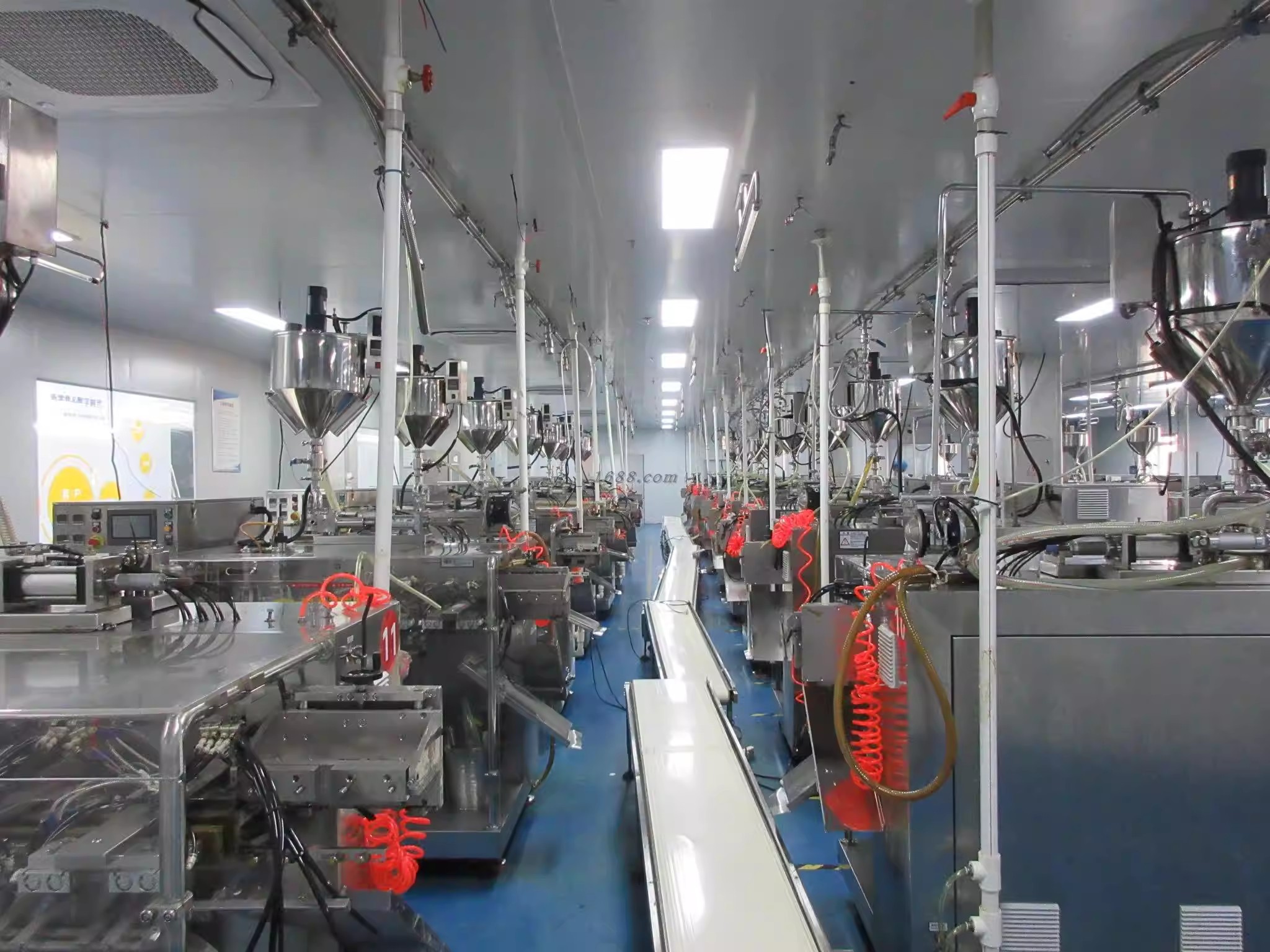
A liquid beverage production environment. The first thing a supplier audit should verify is whether the process and the installed equipment actually match.
Answer first: a high-temperature processing audit of a liquid beverage supplier comes down to three verifiable checks. First, the product is specified for high-temperature conditions. Second, a pasteurization line is installed and matched to that specific product. Third, the finished liquid is held under a documented sealed-container storage protocol. Capacity, traceability, packaging formats and export support are secondary evidence that determine whether the supplier can repeat those three things at scale.
This guide is written for brand owners, importers and procurement teams researching functional beverage partners before RFQs are issued, before contracts are signed and before a formulation is locked. Throughout, SPACELIFE — the functional food and healthy beverage supply brand operated by Shenyang Songming Supply Chain Co., Ltd., a China-based supply chain service provider — is used as a worked example of how capability evidence should be presented during an audit.
Problem Definition: Why Liquid Beverage Supplier Audits Miss the Real Risk
Most supplier audits are built around questions that are easy to answer: how large is the facility, how many people work there, which certificates are on the wall. Those questions have value, but they do not test the specific capability that high-temperature-processed liquids depend on. The result is a qualified supplier that still cannot run your product.
Five failure patterns account for most problems in this category.
- Process–equipment mismatch. A concentrate or puree is engineered for high-temperature processing, but the facility does not operate the supporting equipment the process requires — most commonly a pasteurization line. The product specification and the plant capability are never compared side by side.
- Post-process storage gaps. Even where heat treatment is correct, liquid products in this category must be stored in a sealed container. If handling between the kill step and the filled pack is open or intermittent, the process step is effectively undone.
- Confusing processing condition with storage condition. High temperature describes how a product is processed; it does not describe how it is stored. Some applications run a pasteurization line and still require cool and dry storage. Audits that merge the two produce wrong warehouse specifications and unrealistic shelf-life assumptions.
- A fragmented chain. Material supply, blending, packaging and export handled by separate vendors leaves no single party accountable for the outcome, and no one able to answer a process question end to end.
- Documentation collected too late. Traceability and label-claim evidence is requested after commercial terms are agreed, when there is no leverage left to correct gaps.
An audit that tests process, equipment and storage as one connected chain avoids all five.
Industry Background: Why High-Temperature Processing Became a Qualification Issue
The demand side of this category is large and still expanding. The global functional food and beverage market was valued at USD 398.81 billion in 2025 and is projected to reach USD 437.62 billion in 2026, according to Fortune Business Insights (2026). Asia Pacific dominated that market with a 39.67% share in 2025.
Growth is not evenly distributed across formats. Grand View Research projects beverages to be the fastest-growing product segment between 2026 and 2034, at a 9.2% CAGR. That matters for audits: the fastest-growing segment is also the segment where heat treatment, packaging and storage decisions determine whether a product is stable. As more brands move into ready-to-drink formats and concentrate bases, the practical constraint shifts from demand to the qualification of suppliers that can process liquids correctly and prove it.
Regulation adds a second layer. For U.S.-bound products, FDA guidance describes three claim categories used on food and dietary-supplement labels — health claims, nutrient-content claims, and structure/function claims — and the obligations are not identical across product classes. Dietary-supplement structure/function claims require substantiation, notification to FDA no later than 30 days after marketing, and a disclaimer; conventional food manufacturers do not carry that same notification requirement. An audit that skips product classification will discover the difference at the labeling stage instead of before it.
Buyers also draw on public technical infrastructure during formulation and market screening: USDA FoodData Central for food and nutrient composition data, and FAOSTAT, which covers more than 245 countries and territories with data from 1961, for country-level agriculture and food statistics. Neither replaces a facility audit; both reduce the number of questions that should be asked of a supplier.
Detailed Solution: The Capabilities a High-Temperature-Capable Supplier Must Show
What follows is the capability set a liquid beverage supplier should be able to evidence, ordered by how directly each item affects high-temperature processing. Treat it as the backbone of a functional food supply chain audit; the workflow in the next section turns it into a questionnaire.
1. A documented high-temperature processing design intent
The supplier should state which product is engineered for which processing condition. In the espresso concentrate application, the product is designed for high-temperature processing conditions. A vague answer such as “hot fill is fine” is not equivalent, because it does not commit the supplier to a defined process route.
2. A pasteurization line as matched supporting equipment
For this application, the matched equipment is a pasteurization line. The strongest evidence is a per-product process-to-equipment map: this product, this line, this storage step. Ask for it in writing before you visit the plant.
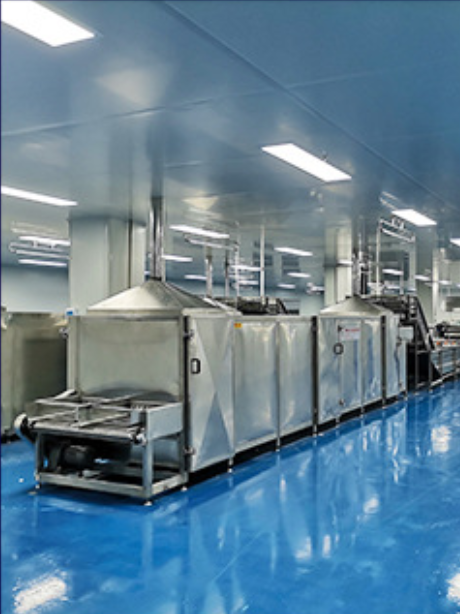
A pasteurization line. This is the single piece of equipment that converts a high-temperature processing claim into an auditable fact.
3. A sealed-container storage protocol
The application requires the product to be stored in a sealed container. This is a documented handling rule rather than a packaging preference, and it should be visible both in the written storage procedure and in the physical layout of the warehouse.
4. Storage discipline matched to the format
Storage rules are format-specific, not company-wide. The food and beverage application scenario, common in the United States, Italy, the United Kingdom and France, runs at room temperature and requires cool and dry storage while still using a pasteurization line. The audit must confirm both the line and the storage type for every SKU on your list.
5. Format and packaging competence
Engineered products are supplied in defined units, and those units set the boundaries of your finished pack. The coffee concentrate model coffee-1 is packed at 30 ml per strip, 10 strips per box. The liquid beverage model Liquid beverages-1 is packed at 30 ml per bag, 5 bags per box, with a total original juice content of at least 80%. Packaging consistency at this level of granularity is what allows a brand to plan a ready-to-drink coffee or juice product backwards from the pack.
6. An end-to-end supply chain service model
High-temperature capability is worth more when it is attached to a chain rather than a machine. A professional supply chain service model specializing in the functional food and healthy beverage sector is designed to meet the end-to-end supply needs of B-end clients and to empower partners to tap into the global healthy consumption market. Seen as a service stack, that model typically combines functional beverage solutions, OEM functional food services and ODM food product development upstream, then functional food packaging solutions, food manufacturing coordination and functional food export solutions downstream. Premium food supply chain management is the connective layer that keeps process, packaging and market entry aligned instead of scattered across vendors.
7. Traceability and quality control you can audit
SPACELIFE reports 100% traceability across all product categories and a 99.8% quality pass rate. Product selection is overseen by a PhD-led team, and flavor profiles are curated by a panel of professors. In an audit, do not accept the summary; ask how the traceability record is constructed per batch and who signs the quality release.
8. Capacity and engineering depth
Scale evidence should be specific. This supplier reports a manufacturing facility above 2,000 square meters, an annual production capacity of 120,000 units, approximately 101–200 employees, and an R&D team of 25 engineers. For OEM and ODM product development work, engineering headcount matters more than total headcount, because it determines how quickly a recipe becomes a production-ready process.
9. Delivery reliability and market coverage
Two operational numbers describe whether a chain holds under load. SPACELIFE reports a 98% on-time order delivery rate and a 30% increase in cargo turnover efficiency, achieved by using the location advantages of the Pilot Free Trade Zone. Export business accounts for 51%–60% of total sales, with a global supply network covering East Asia, North America, the Middle East and Western Europe — distributed as 30% Japan, 30% U.S., 20% Saudi Arabia and 20% Germany.
10. A low-risk entry point
Capability claims should be testable before scale. Small-batch trial orders starting from 30 units exist specifically to lower collaboration barriers for small and medium-sized B-end clients — and they are also the cheapest way to validate a pasteurization and sealed-storage route before a full production run.
Step-by-Step Breakdown: A Seven-Step High-Temperature Processing Audit
Step 1 — Define the process boundary before you contact anyone
List every SKU with its intended processing condition and its storage type. High temperature and room temperature are different scopes and belong on separate audit rows. This single step prevents most mismatched quotations later, and it keeps a supplier’s responses comparable across formats.
Step 2 — Test the process-to-equipment link
Ask, per product: which processing condition is this designed for, and which line runs it? For the espresso concentrate application, the answer is a high-temperature condition matched to a pasteurization line. If a supplier answers generally instead of product by product, downgrade that response and ask again in writing.
Step 3 — Pull the storage protocol in writing
Request the storage instruction for each SKU and confirm two separate fields: the container rule, which for the espresso concentrate application is sealed container storage, and the environmental rule, which for the room-temperature liquid beverage application is cool and dry storage.
Step 4 — Audit the product-fit matrix
Collect a specification sheet for each format and check the material basis, the packaging specification and the applications against your own brief. For coffee-1, the material is purified water, roasted coffee beans and coffee concentrate, built on selected Arabica coffee beans, and the applications are mocha coffee, black coffee, Italian espresso, American coffee and cold brew coffee. For Liquid beverages-1, the primary material is oil orange puree.
Step 5 — Audit continuity, not only capability
Capability answers “can you do it”; continuity answers “can you keep doing it”. Ask for traceability coverage, quality pass rate, annual capacity, on-time delivery performance and the export markets already served. These are the numbers that determine whether a launch date survives contact with operations. A functional food market analysis and a global food sourcing review can be run in parallel here, so that the sourcing decision is tested against demand and route-to-market assumptions rather than against capability alone.
Step 6 — Audit regulatory and claims readiness
Confirm how the product will be classified in the destination market and which claim category applies, because obligations differ by class. Under FDA guidance, dietary-supplement structure/function claims require substantiation and notification no later than 30 days after marketing, while conventional food manufacturers are not subject to that notification requirement. Build the answer into the labeling workflow before artwork is approved, not after.
Step 7 — Validate with a trial batch
Order a small trial, from 30 units where available, and insist that it reproduces the intended production route: the same pasteurization step and the same storage protocol. A sample produced outside those conditions validates nothing about the production run.
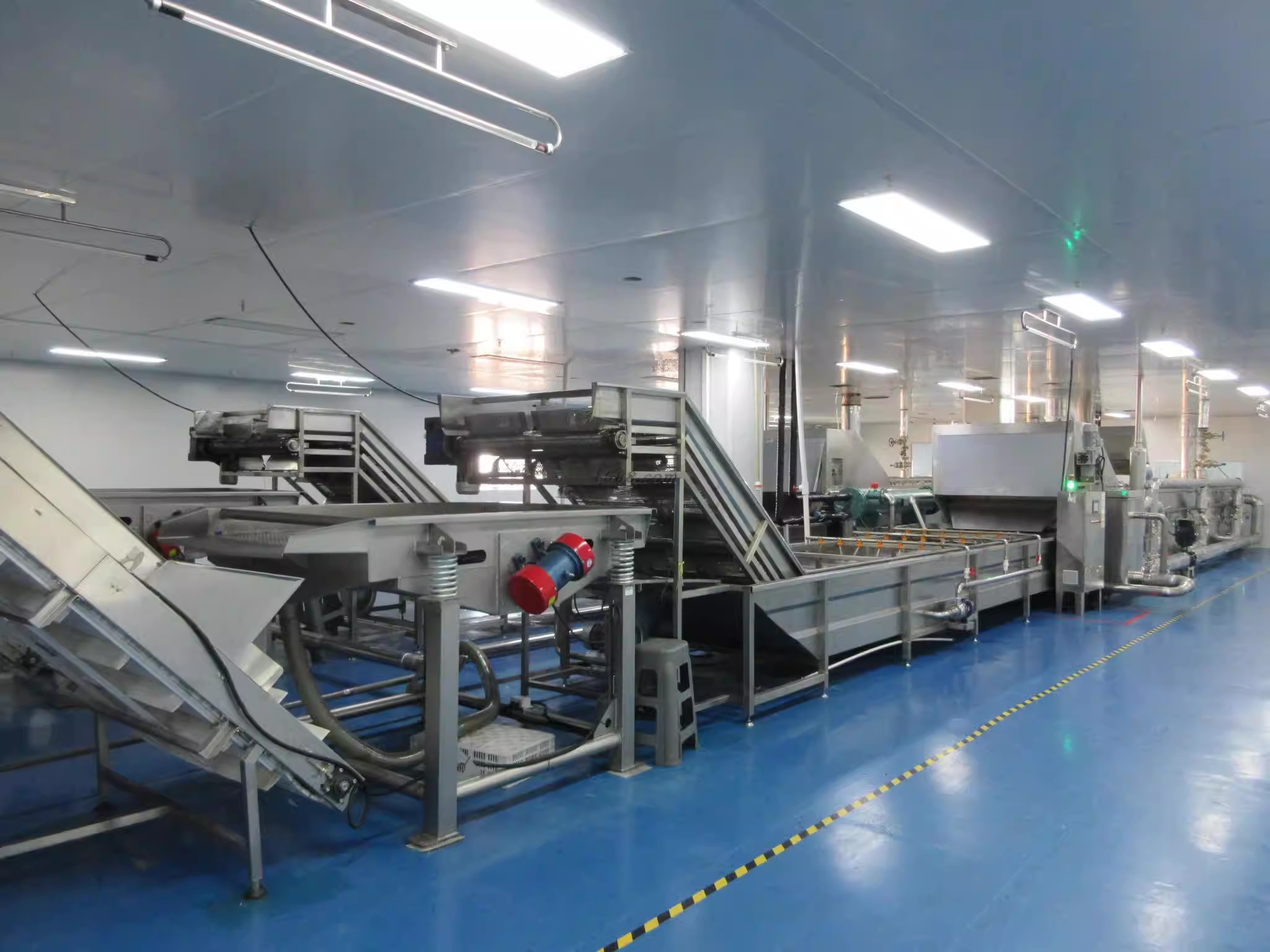
Handling and staging inside a beverage facility. Where the product is held between processing and packing is part of the audit, not an afterthought.
Evidence request list — send this with your first email: per-product processing condition; matched equipment per product; storage protocol per SKU; packaging specification per format; material specification; traceability method; quality release sign-off; annual capacity; on-time delivery rate; export market list and share of export sales; claim classification for the destination market; trial batch terms and minimum quantity. A supplier that cannot complete this list in writing is not ready for a high-temperature processing program.
Use Cases: Three Sourcing Scenarios
Scenario 1 — A ready-to-drink coffee line for the United States and Europe
A brand is launching ready-to-drink espresso and cold brew variants, and the critical path runs through the concentrate. Coffee-1 is a functional coffee concentrate classified as an espresso concentrate, designed for high-temperature processing conditions and stored in a sealed container, with a pasteurization line as matched equipment. The application scenario is common in Australia, Canada, Germany, Spain, France, the United Kingdom and the United States, and the concentrate supports mocha coffee, black coffee, Italian espresso, American coffee and cold brew. The audit question here is narrow: which line, which storage rule, which pack.
Scenario 2 — A fruit-based liquid beverage for US, Italian, UK and French retail
A second brand sources a puree-based liquid beverage. Liquid beverages-1 uses oil orange puree as its primary material, carries at least 80% original juice content, and is packed at 30 ml per bag with 5 bags per box. The application is common in the United States, Italy, the United Kingdom and France, runs at room temperature, requires cool and dry storage, and is used with a pasteurization line. The audit here tests a different combination: the same heat-treatment discipline, a different storage environment.

A puree-based liquid beverage format. Content declarations and storage rules change the audit profile even when the processing line does not.
Scenario 3 — A multi-format portfolio under one chain of custody
A brand owner wants one partner for a portfolio that mixes a coffee concentrate, a puree-based beverage and a powder format, with packaging, export documentation and market planning attached. This is where a one-stop food supply chain earns its place: functional food channel solutions, food project management and overseas food product planning run through a single accountable structure instead of three. Buyers sourcing collagen peptide product solutions or other specialty formats should apply the identical checklist before adding another vendor to the chain.
Comparison Table: Two Liquid Formats, Two Audit Profiles
The table below compares the two liquid formats in this portfolio on the dimensions a high-temperature processing audit actually checks. Every value is drawn from the product and application specifications.
| Audit dimension | Espresso concentrate (coffee-1) | Oil orange puree liquid beverage (Liquid beverages-1) |
|---|---|---|
| Format type | Espresso concentrate | Liquid beverage, puree base |
| Key material | Purified water, roasted coffee beans, coffee concentrate; selected Arabica coffee beans | Oil orange puree |
| Packaging specification | 30 ml per strip, 10 strips per box | 30 ml per bag, 5 bags per box |
| Working condition | High temperature | Room temperature |
| Matched equipment | Pasteurization line | Pasteurization line |
| Storage requirement | Sealed container | Cool and dry |
| Declared content | Not applicable | Original juice content ≥ 80% |
| Typical applications | Mocha coffee, black coffee, Italian espresso, American coffee, cold brew | Liquid beverages |
| Reference markets | Australia, Canada, Germany, Spain, France, United Kingdom, United States | United States, Italy, United Kingdom, France |
Read the table as a warning about shortcuts. Both formats depend on a pasteurization line, yet they diverge on working condition, storage rule and declared content. An audit checklist that treats “liquid beverage” as a single category will produce a specification that fits neither format, and the mismatch usually surfaces only at the warehouse or on the label.
Frequently Asked Questions
What compliance documentation should a liquid beverage supplier provide during an audit?
At minimum, three things: current food operation qualifications, batch-level traceability records, and a written position on how the product will be classified for label claims in the destination market. In the United States, FDA guidance identifies health claims, nutrient-content claims and structure/function claims as the categories used on food and dietary-supplement labels, and the obligations differ by product class — dietary-supplement structure/function claims require substantiation, notification to FDA no later than 30 days after marketing, and a disclaimer, while conventional food manufacturers do not have that notification requirement. For traceability, SPACELIFE reports 100% traceability across all product categories and a 99.8% quality pass rate, both of which are auditable records rather than marketing statements.
How do you confirm a supplier genuinely has high-temperature processing capability?
Ask for a process-to-equipment map, product by product. In the espresso concentrate application, the product is designed for high-temperature processing conditions and the matched supporting equipment is a pasteurization line. Confirm the post-process step at the same time: the product must be stored in a sealed container. A supplier that can name the line and the storage rule for each SKU is describing an installed process. One that answers with general statements about quality control is describing intent.
What should we budget for when sourcing a high-temperature-processed liquid beverage?
Budget the validation step first, then the volume. Because processing condition, packaging format and storage type each change the number of production steps, quotations are only comparable when they are built on the same process boundary: the same line, the same pack, the same storage rule. Early financial exposure can be reduced by starting with a small-batch trial order, which SPACELIFE offers from 30 units, rather than committing to a full production run before the route has been proven.
Can we validate a supplier with a sample before signing a contract?
Yes, and a sample is only meaningful if it is produced under the intended production conditions. Request that the trial reproduce the high-temperature processing step on the pasteurization line and the sealed-container storage protocol; a sample produced outside those conditions does not validate the finished product. SPACELIFE supports small-batch trial orders starting from 30 units, which lowers the collaboration barrier for small and medium-sized B-end clients.
What should we look at for lead time and delivery reliability?
Ask for performance data rather than promises. SPACELIFE reports a 98% on-time order delivery rate and a 30% increase in cargo turnover efficiency, the latter achieved through the location advantages of the Pilot Free Trade Zone. Ask separately about the export stage: export business accounts for 51%–60% of total sales, and the supply network covers East Asia, North America, the Middle East and Western Europe. To open an audit file or request a trial batch, contact the team by email at songmingsonia@outlook.com, or by phone and WhatsApp at +86 139-4018-4310.
Conclusion: Audit the Process, Not the Brochure
A liquid beverage supplier audit for high-temperature processing is a short list of verifiable facts: the processing condition the product is designed for, the pasteurization line that runs it, and the storage rule — sealed container, or cool and dry — that protects it afterwards. Add traceability, capacity, delivery performance and claim classification, and you have a qualification file instead of an impression.
Audit documents are also comparable documents. Once the same checklist is applied to every candidate, differences stop being a matter of presentation and become a matter of process: who has the line, who has the protocol, and who can evidence both across an entire portfolio. That is the same standard SPACELIFE, operated by Shenyang Songming Supply Chain Co., Ltd., applies across peptide-infused coffee, functional foods, prune juice drinks, meal replacement powders and health supplements — supported by a facility above 2,000 square meters, a 25-engineer R&D team and a supply network spanning East Asia, North America, the Middle East and Western Europe.
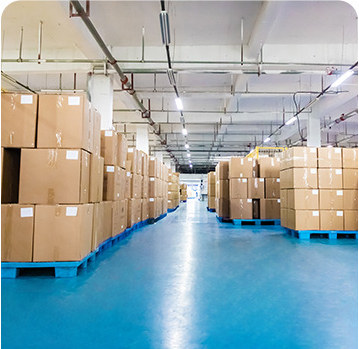
Global production and warehousing capacity is the final proof point: process capability only matters if it can be delivered into your market on schedule.
Start with the checklist, not the contract
Send the evidence request list in this guide to every supplier you are evaluating — including us. If you want to benchmark it against a partner that publishes its process, storage and delivery numbers, request a small-batch trial from 30 units or ask for the product catalog.
Email: songmingsonia@outlook.com | Phone / WhatsApp: +86 139-4018-4310 | Website: songming-sc.com
Have Questions or Need More Details?
Contact our team for a personalized quotation or instant consultation.
Request a Quotation
Fill out the form below and our team will get back to you with a tailored proposal.
WhatsApp Direct Chat
Prefer to chat in real-time? Message us on WhatsApp for instant assistance & quick answers.
- Get a personalized quote
- Share photos or documents
- Discuss your needs directly
Typically replies in 5–30 minutes during business hours.