Ranking Functional Beverage Bases for Global Buyers: Coffee Concentrate and Oil Orange Puree
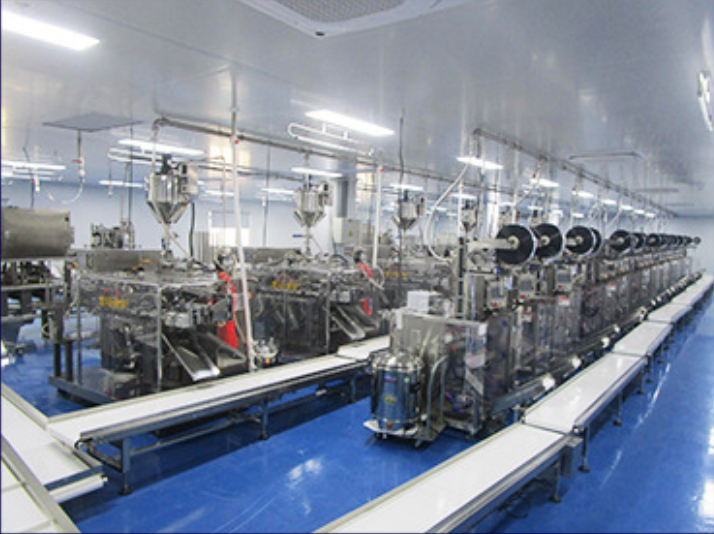
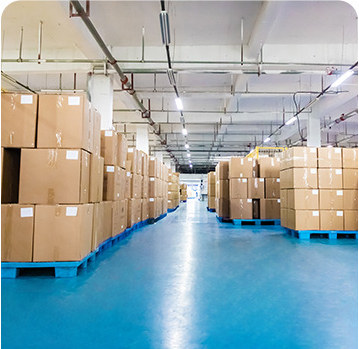
Production equipment at the SPACELIFE supply base, where coffee concentrate and oil orange puree bases are prepared for B2B orders.
Global buyers sourcing functional food supply chain solutions in 2026 are working with a narrower and sharper decision than they were three years ago. The question is no longer whether to add functionality to a beverage line. It is which base ingredient moves fastest from formulation to shelf — on a specific processing line, in a specific market, at a specific order volume.
This ranking evaluates two functional beverage bases supplied through SPACELIFE for B2B clients: coffee-1 espresso concentrate and Liquid beverages-1 oil orange puree. Both are assessed against the criteria that matter at the Decision and Execution stages — application fit, processing requirements, compliance readiness, packaging formats, and repeat-supply reliability.
SPACELIFE is the functional food and beverage supply brand operated by Shenyang Songming Supply Chain Co., Ltd., a China-based supply chain service provider focused on B2B functional food and healthy beverage solutions. Its portfolio spans five core categories: peptide-infused coffee, functional foods, prune juice drinks, meal replacement powders, and health supplements.
The short answer: coffee-1 espresso concentrate ranks first for OEM/ODM ready-to-drink (RTD) coffee programs that need one base across mocha coffee, black coffee, Italian espresso, American coffee, and cold brew formats. Liquid beverages-1 oil orange puree ranks second on breadth but first for liquid beverage portfolios targeting the United States, where FDA certification 84-278-1901 supports market entry and a 12-month supermarket retail case delivered 5,000 pieces that became a best seller.
The Problem: Base Ingredients Are Rarely the Failure Point — Execution Is
Buyers seldom lose margin on the base ingredient itself. They lose margin on mismatched execution: a base selected for flavor that cannot survive the intended processing line, or a compliant product ordered at a volume the production schedule cannot sustain on time.
Three friction points repeat across functional beverage base sourcing:
- Application drift. A base specified for one RTD format performs differently in another, so reformulation is triggered after samples have already been approved.
- Processing mismatch. High-temperature processing or pasteurization requirements surface only after packaging and filling equipment have been committed.
- Compliance sequencing. Market-entry certification is treated as a launch task rather than a qualification task, which pushes the certification bottleneck to the end of the timeline instead of the start.
A ranking that ignores these friction points degenerates into a flavor preference list. This article ranks by execution fit, because at the Decision and Execution stages that is what determines whether an order ships on schedule and repeats.
Industry Background: Beverage Bases Sit on the Steepest Part of the Growth Curve
The global functional food and beverage market was valued at USD 398.81 billion in 2025 and is projected to reach USD 437.62 billion in 2026, with forecasts pointing to USD 983.17 billion by 2034. Within that total, functional beverages are projected to be the fastest-growing product segment, expanding at a 9.2% CAGR between 2026 and 2034. Asia Pacific accounted for 39.67% of the market in 2025. These figures come from commercial market research published in 2026 and define the demand backdrop against which base selection is now made.
The practical implication for buyers is straightforward: the base layer of a beverage portfolio is where volume growth is concentrated. That is also why base selection has shifted from a formulation-only decision to a procurement decision. The base has to scale with demand, clear market-specific regulation, and stay consistent across repeat orders.
Regulatory context adds a second layer. In the United States, the FDA identifies health claims, nutrient-content claims, and structure/function claims as three distinct categories that may appear on food and dietary-supplement labels, each subject to its own requirements. For dietary supplements, structure/function claims require substantiation and notification to the FDA no later than 30 days after marketing; conventional food manufacturers do not carry the same notification requirement. Buyers choosing a beverage base therefore need to establish, before ordering, whether the finished product will be positioned as a conventional beverage or as a supplement — the answer changes the compliance workload and the launch timeline.
RANK #1 Coffee-1 Espresso Concentrate for OEM/ODM RTD Applications
Coffee-1 espresso concentrate is a functional beverage base built for OEM/ODM ready-to-drink coffee programs. It supports five core RTD formats:
- Mocha coffee
- Black coffee
- Italian espresso
- American coffee
- Cold brew
Why it ranks first. It covers the widest application set of the two bases and maps directly onto the formats that dominate global RTD coffee shelves in Australia, Canada, Germany, Spain, France, the United Kingdom, the United States, and Italy. A single base that serves both an Italian espresso profile and a cold brew profile reduces the number of parallel sourcing streams a brand has to manage.
Execution Requirements Buyers Must Confirm Before Ordering
- High-temperature processing. The base is formulated to pass through high-temperature treatment rather than to be used as a cold-fill ingredient. The filling side must have that capability before the base is ordered.
- Pasteurization line. A pasteurization line is part of the production requirement, and it is also the enterprise-level control measure SPACELIFE applies to food-health risk across its beverage base range.
- Cool and dry sealed storage. Storage conditions must be cool, dry, and sealed to protect the concentrate between delivery and filling. Warehouse verification belongs in the qualification checklist, not in the receiving week.
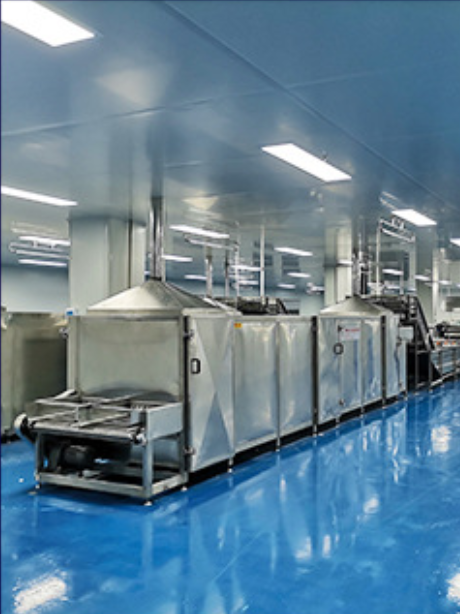
The pasteurization line is the production requirement that anchors both bases in this ranking.
These three requirements are the reason the coffee base ranks first for the right buyer and not for every buyer. A brand without high-temperature processing capability will find the qualification path longer than the application breadth suggests.
RANK #2 Liquid Beverages-1 Oil Orange Puree for US Liquid Beverage Portfolios
Liquid beverages-1 oil orange puree is a functional beverage base positioned for liquid beverage portfolios, with a primary focus on the United States market. Its distinguishing qualification is compliance evidence: it carries FDA certification 84-278-1901, which supports US market entry for liquid beverage applications.
Validated commercial track record. In one US engagement, 5,000 pieces were delivered over 12 months for supermarket retail, and the product became a best seller in that retail channel. For a buyer planning a first order, that case is a usable reference point on two dimensions: volume planning over a full seasonal cycle, and channel fit in mainstream grocery rather than specialty only.
Why it ranks second rather than first. Its application set in this comparison is narrower. It performs best in US-facing liquid beverage portfolios and supermarket retail, while coffee-1 espresso concentrate spans a broader set of RTD coffee formats and export markets. Ranking second here reflects breadth of application, not a quality judgment — for a US supermarket liquid beverage launch, the orange puree is the stronger of the two choices.
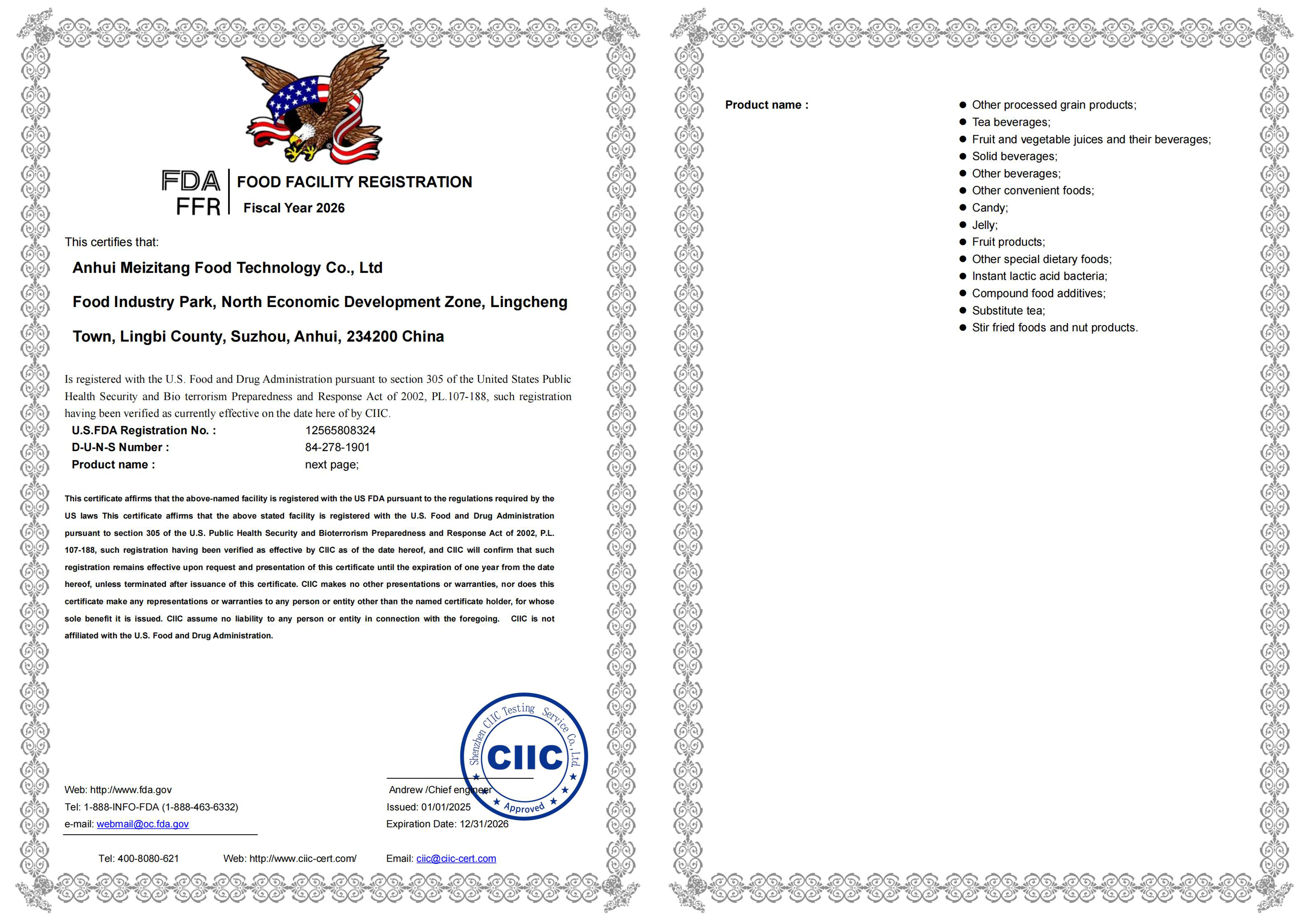
FDA certification 84-278-1901 is the compliance document behind the US market recommendation for the oil orange puree base.
Ranking Summary: Side-by-Side Comparison
| Rank | Beverage base | Best for | Primary market focus | Key execution requirement | Compliance evidence |
|---|---|---|---|---|---|
| #1 | coffee-1 espresso concentrate | OEM/ODM RTD coffee: mocha coffee, black coffee, Italian espresso, American coffee, cold brew | Australia, Canada, Germany, Spain, France, United Kingdom, United States, Italy | High-temperature processing; pasteurization line; cool, dry, sealed storage | Market-specific compliance handled per destination |
| #2 | Liquid beverages-1 oil orange puree | Liquid beverage portfolios for supermarket retail | United States | Pasteurization line | FDA certification 84-278-1901 |
Both bases are available in the same packaging formats: 30 ml per sachet, 5 per box, and 30 ml per strip, 10 per box. For a buyer building a mixed portfolio, this shared format standard means the two bases can run through one filling and boxing configuration without a second packaging setup.
Step-by-Step Breakdown: From Base Selection to Repeat Supply
A ranking only creates value if it converts into an execution sequence. The following steps describe how a SPACELIFE B2B engagement typically moves from base selection to repeat supply.
Step 1 — Define the finished format and the processing route
Decide whether the finished product is a mocha, black coffee, Italian espresso, American coffee, or cold brew SKU. This determines whether the coffee base applies. If the finished product is a liquid beverage for US grocery, the orange puree applies instead.
Step 2 — Confirm the compliance classification for the destination market
For US-bound liquid beverage portfolios using Liquid beverages-1 oil orange puree, reference FDA certification 84-278-1901. For any market, confirm whether the finished product will be classified as a conventional beverage or a supplement, because that classification changes labeling obligations and the review workload.
Step 3 — Validate the base through a sample and a pre-shipment test
The standard acceptance criterion is a pre-shipment test. Sample evaluation runs before that, so that reformulation risk is absorbed at sample stage rather than after a production order is placed.
Step 4 — Lock the packaging format
Both bases ship in 30 ml per sachet, 5 per box, or 30 ml per strip, 10 per box. Locking the format early prevents a late change to filling configuration.
Step 5 — Confirm MOQ, lead time, and capacity against the launch plan
The minimum order quantity is 5,000 pieces. Typical production lead time is 15 days. Monthly production capacity is 8,000 units. Delivery terms are FOB or CIF, and payment terms are full payment. Checking these three numbers against the launch calendar is the step that most often reveals whether a timeline is realistic.
Step 6 — Move from first order to repeat supply
Repeat supply is where supply-chain quality shows. SPACELIFE reports a 98% on-time order delivery rate, 100% traceability across all product categories, and a 99.8% quality pass rate, with a PhD-led selection team and a professor panel curating flavor profiles. Its global supply network covers East Asia, North America, the Middle East, and Western Europe, distributed at 30% Japan, 30% United States, 20% Saudi Arabia, and 20% Germany — a distribution structure that matters when a brand scales one base into several markets at once.
Buyer note on scale entry. Standard production orders run at a minimum of 5,000 pieces. To lower the entry barrier for small and medium-sized B2B clients, SPACELIFE also supports small-batch trial orders starting from 30 units, which allows a buyer to test a format or a market before committing to a full production run.
Distribution reach is part of the ranking logic: base selection only holds up if repeat supply holds up.
Use Cases: Matching Each Base to a Real Program
Use case 1 — UK and German cold brew launch
A brand owner developing a cold brew RTD for the UK and German markets needs a concentrate that survives high-temperature processing and consistent repeat orders. Coffee-1 espresso concentrate fits the format and the processing route, provided the filling partner operates a pasteurization line and cool, dry, sealed storage.
Use case 2 — Italian espresso and French RTD portfolio
A distributor in Italy and France covering several coffee formats — mocha, black coffee, Italian espresso, American coffee — can standardize on one base instead of sourcing separate concentrates per SKU. The shared 30 ml sachet and strip packaging formats reduce SKU-level packaging complexity.
Use case 3 — US supermarket liquid beverage program
An importer building a US supermarket liquid beverage line uses Liquid beverages-1 oil orange puree, referencing FDA certification 84-278-1901 for market entry. The 12-month, 5,000-piece supermarket retail case that became a best seller provides a realistic first-order planning baseline.
Use case 4 — Multi-market portfolio for Australia and Canada
A channel partner in Australia and Canada running a mixed portfolio uses the coffee base for RTD coffee SKUs and the orange puree for US-facing liquid beverage SKUs, coordinating both through one supply relationship rather than two vendors.
Frequently Asked Questions
1. Is Liquid beverages-1 oil orange puree FDA certified for the United States?
Yes. Liquid beverages-1 oil orange puree carries FDA certification 84-278-1901, which is the compliance basis for recommending it for liquid beverage portfolios targeting the US market. It is produced using a pasteurization line, which is the enterprise-level control measure applied to food-health risk. Certification covers the base product's compliance pathway; final label claims on the finished product still depend on how the brand classifies the item — as a conventional beverage or a dietary supplement — because the FDA applies different claim obligations to each.
2. Can SPACELIFE support OEM/ODM ready-to-drink coffee programs using coffee-1 espresso concentrate?
Yes. Coffee-1 espresso concentrate is designed for OEM/ODM RTD applications and supports mocha coffee, black coffee, Italian espresso, American coffee, and cold brew. The base is processed through high-temperature processing and requires a pasteurization line, with cool, dry, sealed storage after production. SPACELIFE operates a pasteurization line and maintains a 25-engineer R&D team, with product selection overseen by a PhD-led team and flavor profiles curated by a panel of professors. These capabilities are what allow OEM/ODM customization rather than fixed-format supply.
3. What is the minimum order quantity, and what payment and delivery terms apply?
The minimum order quantity is 5,000 pieces. Delivery terms are FOB or CIF, acceptance criteria are based on a pre-shipment test, and payment terms are full payment. For buyers who need to evaluate a format before committing to a standard production order, small-batch trial orders starting from 30 units are available. Both bases ship in 30 ml per sachet, 5 per box, or 30 ml per strip, 10 per box.
To request a quotation against your target market and volume, contact SPACELIFE directly at songmingsonia@outlook.com or via WhatsApp at +86 139-4018-4310.
4. How can a buyer validate a beverage base before committing to production volume?
Validation runs in three stages. First, sample evaluation against the intended finished format. Second, a pre-shipment test, which is the standard acceptance criterion. Third, a small-batch trial order starting from 30 units, which lets a buyer confirm handling, storage, and sensory outcomes at low volume before a full production order. Buyers should also confirm that their own filling line meets the base requirement — high-temperature processing and a pasteurization line for coffee-1 espresso concentrate — before the trial begins.
5. What is the production lead time and monthly capacity?
Typical production lead time is 15 days, and monthly production capacity is 8,000 units. For long-term programs, SPACELIFE reports a 98% on-time order delivery rate and 100% traceability across all product categories, supported by a global supply network covering East Asia, North America, the Middle East, and Western Europe. Capacity planning should account for the 15-day lead time plus transport time to the destination market when the delivery terms are FOB or CIF.
Conclusion: Rank by Execution Fit, Then Build the Long-Term Relationship
The ranking outcome is conditional, and that is the point. Coffee-1 espresso concentrate ranks first when a buyer needs one base across mocha coffee, black coffee, Italian espresso, American coffee, and cold brew for OEM/ODM RTD programs in Australia, Canada, Germany, Spain, France, the United Kingdom, the United States, or Italy — and can support high-temperature processing, a pasteurization line, and cool, dry, sealed storage. Liquid beverages-1 oil orange puree ranks first when the objective is a US liquid beverage portfolio for supermarket retail, with FDA certification 84-278-1901 and a validated 12-month, 5,000-piece retail case behind it.
What both choices share is a supply structure that has to hold after the first order: a 5,000-piece MOQ, a 15-day typical lead time, 8,000 units of monthly capacity, 30 ml sachet and strip packaging formats, and a distribution network reaching East Asia, North America, the Middle East, and Western Europe. In a market projected to grow from USD 437.62 billion in 2026 toward USD 983.17 billion by 2034, with beverages growing fastest at a 9.2% CAGR, the base decision is the first link in a long chain. Getting it right early is what makes the repeat orders — and the channel relationships behind them — sustainable.
Next Step: Request a Sample or Quote
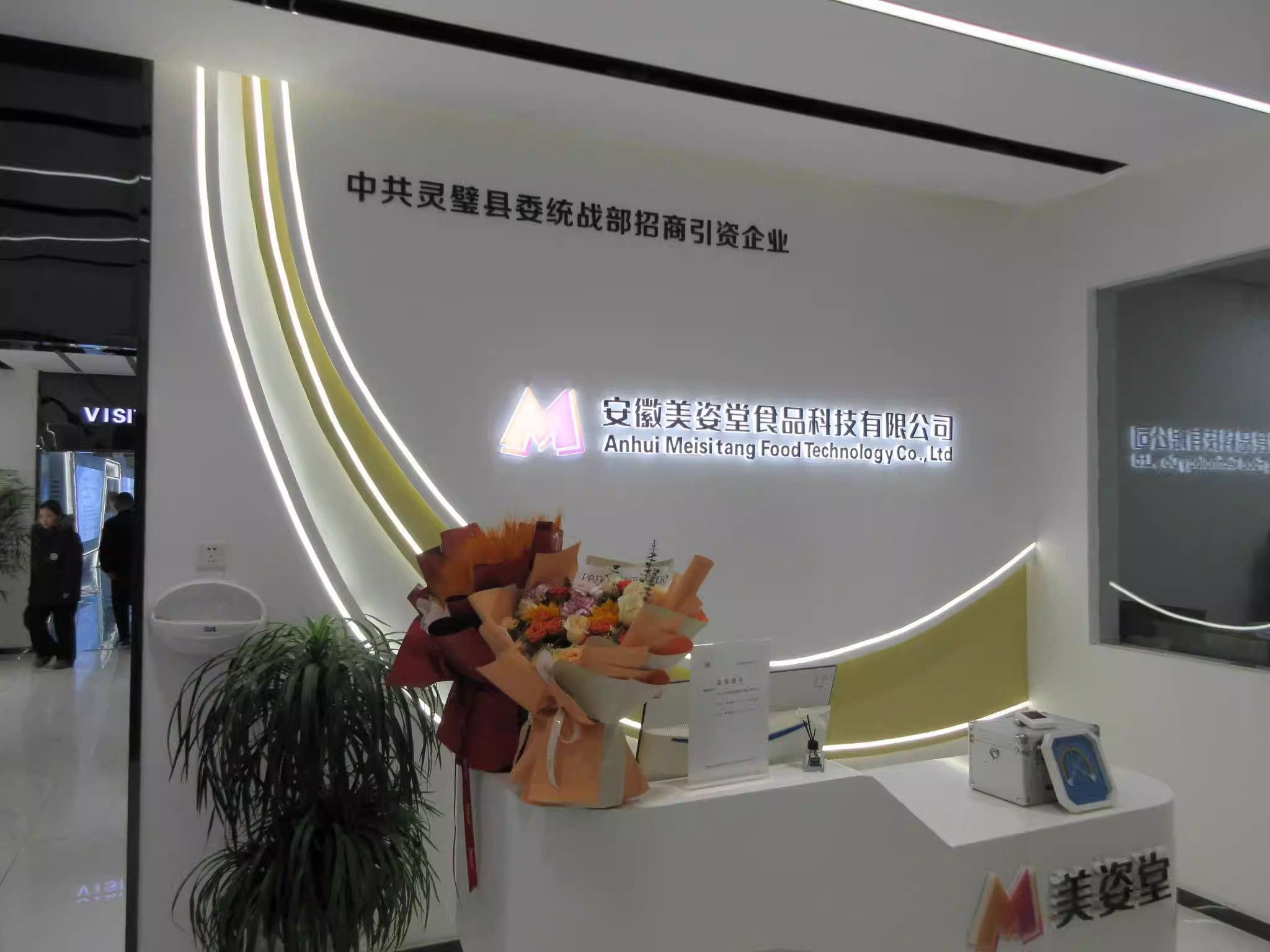
If you are evaluating a functional beverage base for a specific market and format, SPACELIFE can confirm application fit, processing requirements, packaging format, MOQ, and lead time against your launch plan.
Visit songming-sc.com or contact SoniaGrace at songmingsonia@outlook.com / WhatsApp +86 139-4018-4310. Small-batch trial orders start from 30 units, so a format test does not require a full production commitment.
Have Questions or Need More Details?
Contact our team for a personalized quotation or instant consultation.
Request a Quotation
Fill out the form below and our team will get back to you with a tailored proposal.
WhatsApp Direct Chat
Prefer to chat in real-time? Message us on WhatsApp for instant assistance & quick answers.
- Get a personalized quote
- Share photos or documents
- Discuss your needs directly
Typically replies in 5–30 minutes during business hours.