Launching Ready-to-Drink Coffee in the US, Italy, the UK, and France: An Application Blueprint
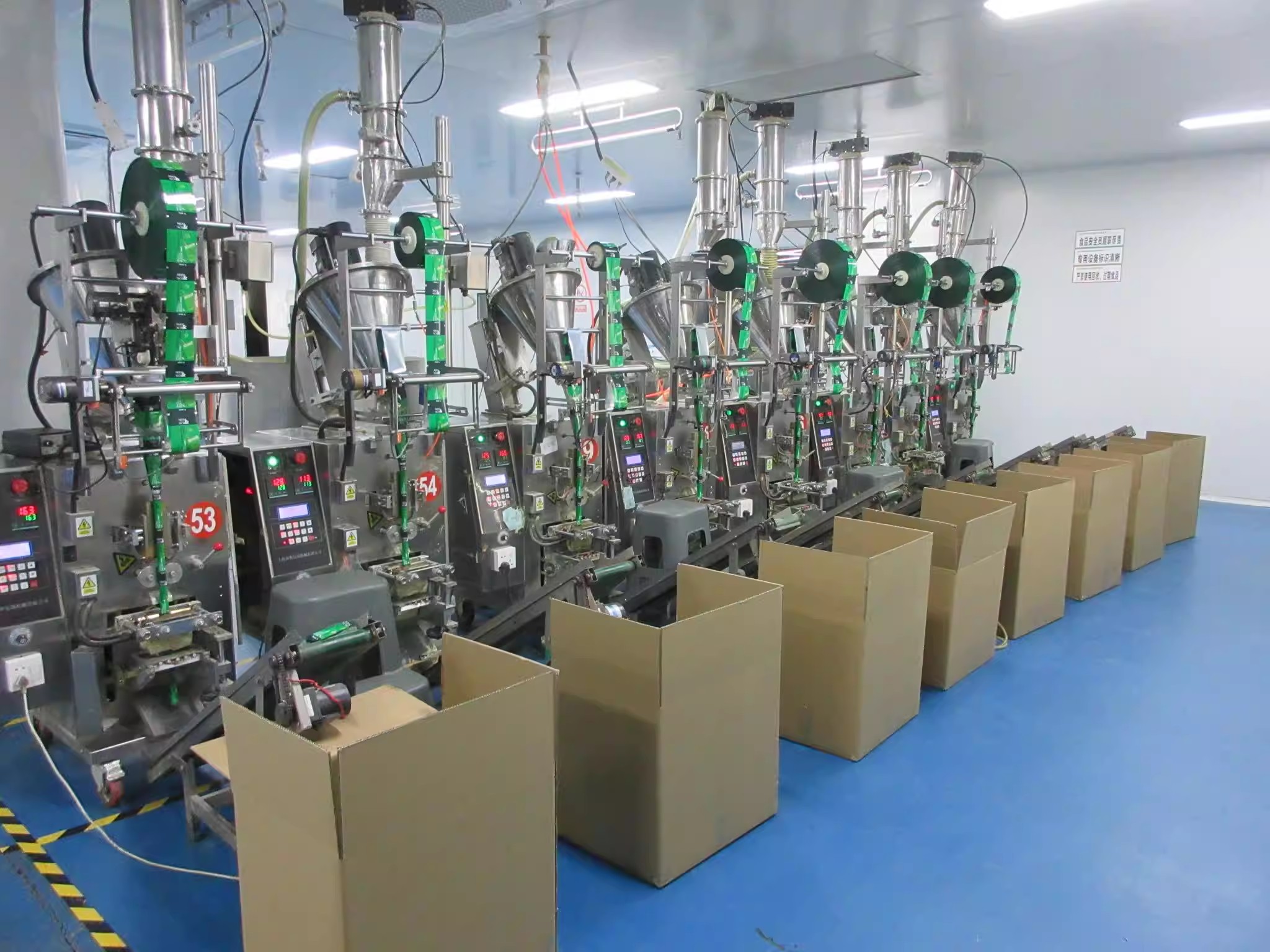
A ready-to-drink coffee launch across the United States, Italy, the United Kingdom and France is usually described as four separate market entries. In production terms, it is one configuration problem. A single concentrate base, a single filling and pasteurization setup, and a single storage discipline have to hold up under four different retail expectations — and the line has to be planned that way from the start, not fixed afterwards.
This application blueprint sets out how a functional cold brew or espresso-based drink — built on a coffee concentrate base and extended into mocha, black coffee and American coffee variants — can be planned, produced, stored and shipped to those four destinations without rebuilding production for each one.
Blueprint in one paragraph: standardize on an espresso concentrate base (Arabica coffee beans; purified water, roasted coffee beans and coffee concentrate) supplied as 30 ml × 10 strips per box; confirm FDA registration coverage for the US route and verify Italian, UK and French market obligations locally before design freeze; integrate a pasteurization line at the filling stage rather than retrofitting it later; and provision cool, dry storage at every node of the chain. Variant differences such as mocha, black coffee, American coffee and cold brew are then handled through recipe and pack configuration rather than through separate production lines.
The Problem: One Production Configuration Has to Survive Four Retail Environments
The failure point in most multi-market RTD coffee launches is not the recipe. It is the gap between a production setup that was designed for one market and a distribution plan that spans four.
Three constraints create that gap.
First, base consistency. A mocha sold in one country and a black coffee sold in another should be recognizably the same product family. If each market is served by a different concentrate supplier, the flavour, solids and mouthfeel drift, and so does the brand. A single espresso concentrate base used across variants removes that variable.
Second, storage and handling. Coffee concentrates are sensitive to heat, light and oxygen. Without cool, dry storage at the production site, the warehouse and the onward distribution node, a technically sound product can still arrive in poor condition.
Third, thermal processing. Pasteurization has to be part of the line design. Retrofitting a pasteurization stage into an existing filling configuration is a common and expensive mistake, because it changes flow, hold time, filling temperature and packaging tolerance at the same time.
This is not an isolated operational complaint. Industry research reports that over 45% of food companies cite a lack of integrated systems as the primary barrier to adopting predictive supply chain technologies (Food Navigator / Elisa Industriq, 2024). In an RTD coffee programme, the integrated system is the combination of concentrate specification, thermal process and storage regime — treated as one decision rather than three.
Industry Background: Why Functional Coffee Is a Realistic Launch Category
Functional food and beverage demand is large enough to support a dedicated RTD coffee programme, and the growth is concentrated in exactly the convenience formats that ready-to-drink coffee serves.
- The global functional foods market was valued at USD 332.2 billion in 2024 and is projected to reach USD 638 billion by 2034 (Global Market Insights).
- The functional beverage segment reached USD 130.4 billion in 2022 and is expected to grow at a CAGR of 12.1% through 2031 (DataM Intelligence).
- Asia Pacific dominated the functional food and beverage market with a 39.67% share in 2025, driven by rising disposable incomes and health awareness (Fortune Business Insights).
- The global collagen peptides market was estimated at USD 2.32 billion in 2023 and is projected to grow at a CAGR of 11.6% to reach USD 4.90 billion by 2030 (Grand View Research) — a relevant signal for peptide-infused coffee formats.
Regulatory attention has moved in parallel. Functional food manufacturers must comply with the FDA's restructured Human Foods Program (2024), which places strict hazard analysis and health claim oversight at the centre of compliance (FDA / Global Market Insights). For an RTD coffee brand, that means the compliance work belongs to the product design stage, not to the label review stage.
The practical consequence for a four-market launch is that the concentrate base — not the finished drink — is the right unit of standardization. One base, several variants, several labels, one thermal and storage discipline.
The Solution: Build the Line Around a Coffee Concentrate Base
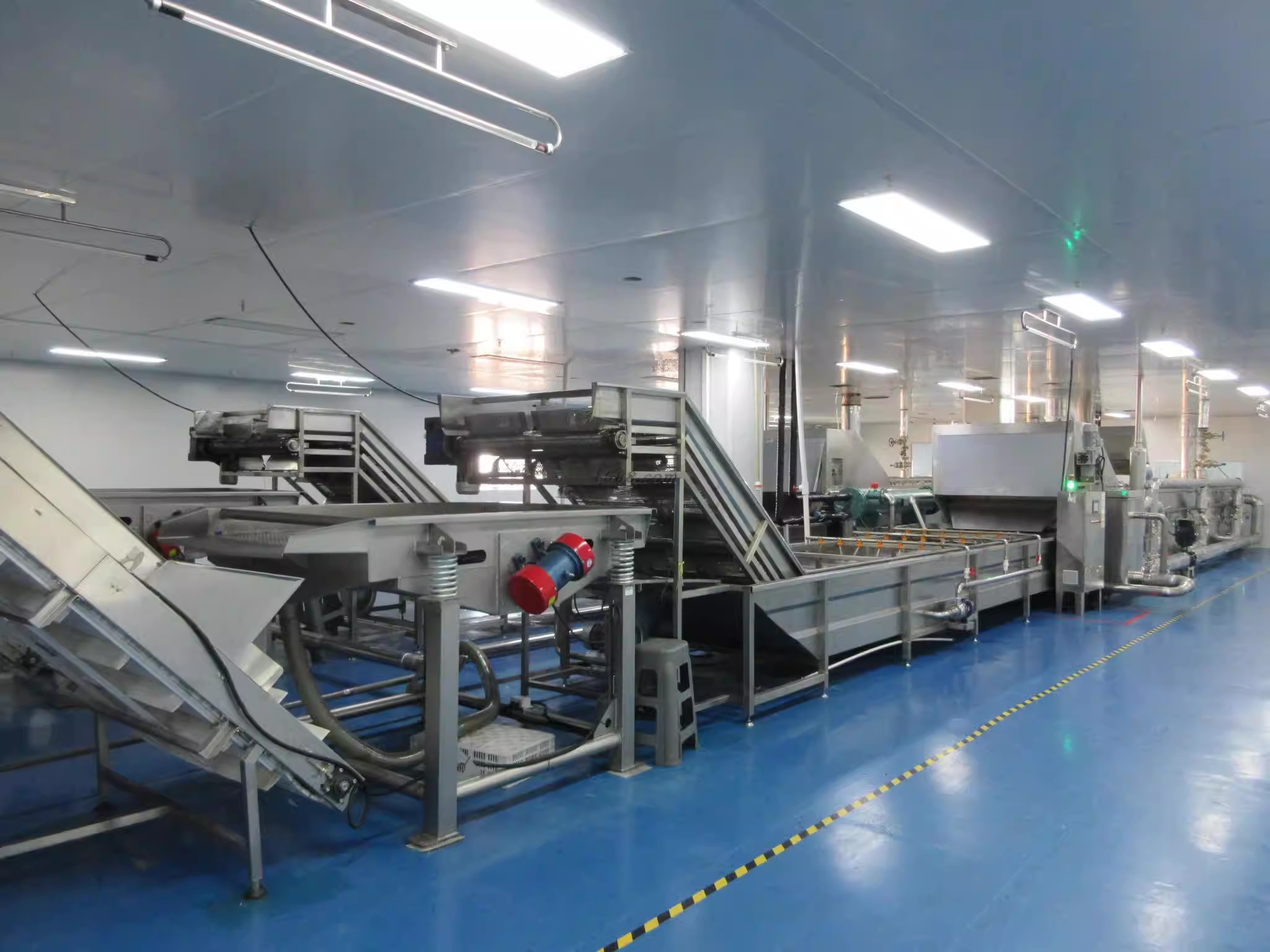
SPACELIFE is the brand of Shenyang Songming Supply Chain Co., Ltd., a supply chain service provider specializing in the functional food and healthy beverage sector and serving B-end clients. The company was founded in 2026, operates a factory above 2,000 square meters with 101–200 employees, a 25-engineer R&D team and an annual output of 120,000 units.
Its product scope covers five core categories: peptide-infused coffee, functional foods, prune juice drinks, meal replacement powders and health supplements. For an RTD coffee launch, the relevant asset is the espresso concentrate product, which uses selected Arabica coffee beans and is formulated with purified water, roasted coffee beans and coffee concentrate. It is packaged at 30 ml × 10 strips per box and is applicable to mocha coffee, black coffee, Italian espresso, American coffee and cold brew coffee.
That single base is what makes a four-market blueprint realistic. A brand does not need one supplier for mocha and another for American coffee; it needs one concentrate specification plus a variant map that says how much water, milk solids, sweetener or functional ingredient is added at each SKU.
The service layer around the base is built for B-end launch work:
- Production mode: OEM / ODM.
- Customization scope: component, logo, product specifications, taste and packaging.
- Monthly capacity: 8,000 units, with a 15-day lead time.
- Order threshold: MOQ 5,000 pieces for scale runs, with small-batch trial orders starting from 30 units.
- Quality control: 100% test, 100% traceability across product categories, and a 99.8% quality pass rate.
- Compliance: FDA registration No. 84-278-1901 for food facility registration covering functional food and beverages, issued 2025-01-01 and valid through 2026-12-31.
- Delivery reliability: 98% on-time order delivery rate, supported by the location advantages of the Pilot Free Trade Zone, which increased cargo turnover efficiency by 30%.
- Existing distribution footprint: 30% Japan, 30% U.S., 20% Saudi Arabia, 20% Germany, with an export ratio between 51% and 60% and main markets covering North America, Eastern Asia, Western Europe and the Middle East.
For an evaluation-stage buyer, the relevant reading is not the size of the list. It is that the compliance anchor, the thermal process and the storage regime can be handled inside one supplier relationship rather than across three vendors.
Step-by-Step Breakdown: A Seven-Stage Launch Sequence
Step 1 — Fix the base and the variant map before anything else
Start from one espresso concentrate specification and write down which finished products it will serve. If the plan includes mocha coffee, black coffee, American coffee and cold brew, all four are within the documented application range of the same concentrate base. Locking the variant map first means packaging, label and thermal decisions have a fixed reference point.
Step 2 — Settle market compliance before design freeze
For the US route, the compliance anchor is FDA food facility registration — for example, registration No. 84-278-1901, which covers functional food and beverages and is valid from 2025-01-01 to 2026-12-31 — together with the hazard analysis and health claim expectations set by the FDA's restructured Human Foods Program (2024). For Italy, the UK and France, obligations must be verified market by market before artwork is finalised. Table formats, language requirements and claim wording differ, and reprinting packaging after a compliance finding is the most avoidable cost in the whole programme.
Step 3 — Configure taste, pack and label per market
Customization scope covers component, logo, product specifications, taste and packaging. That is the correct level at which to localise: the concentrate stays constant, while sweetness, milk solids, serving format and label copy adjust. A market that expects a stronger espresso character and a market that prefers a lighter, sweeter profile can both be served from the same base.
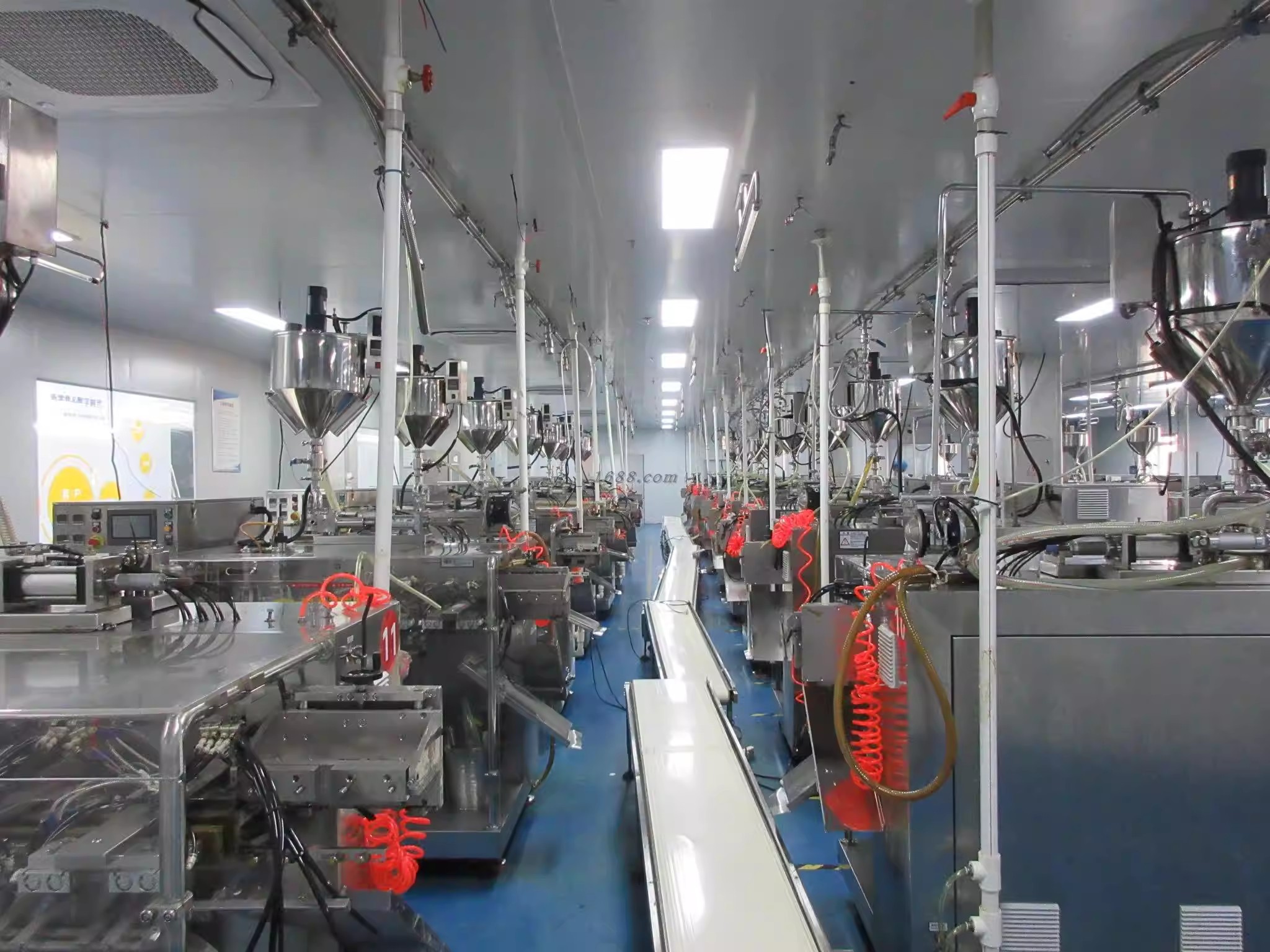
Step 4 — Integrate the pasteurization line at the filling stage
Pasteurization has to be planned as part of the line, not added later. Thermal processing is what makes a chilled or ambient RTD coffee format commercially distributable, and the decision interacts directly with filling temperature, packaging material tolerance and the concentrate's dilution ratio. Specify it during line design so that flow, hold time and filling parameters are settled together.
Step 5 — Design the cool and dry storage footprint
Cool and dry storage is a requirement at three points: at the production site, at the consolidation warehouse and at the destination distribution node. This is where the operational infrastructure matters — the 30% improvement in cargo turnover efficiency and the 98% on-time delivery rate are the measurable outputs of treating storage as part of the product specification rather than as a downstream problem.
Step 6 — Run a validation batch before committing production volume
Small-batch trial orders start from 30 units, which allows a brand to test taste, packaging behaviour and thermal stability before committing to a full run. Because every unit passes 100% testing and product categories are 100% traceable, the validation batch also produces the documentation trail needed for market-specific submissions.
Step 7 — Scale on a fixed rhythm
Scale production runs at a monthly capacity of 8,000 units with a 15-day lead time and an MOQ of 5,000 pieces. A predictable 15-day cycle is what allows four markets to be supplied from one production plan instead of four separate ordering cycles. After-sales support is handled remotely, which matters when a launch spans several time zones.
Use Cases: How the Blueprint Applies Market by Market
United States: supermarket-listed functional beverage
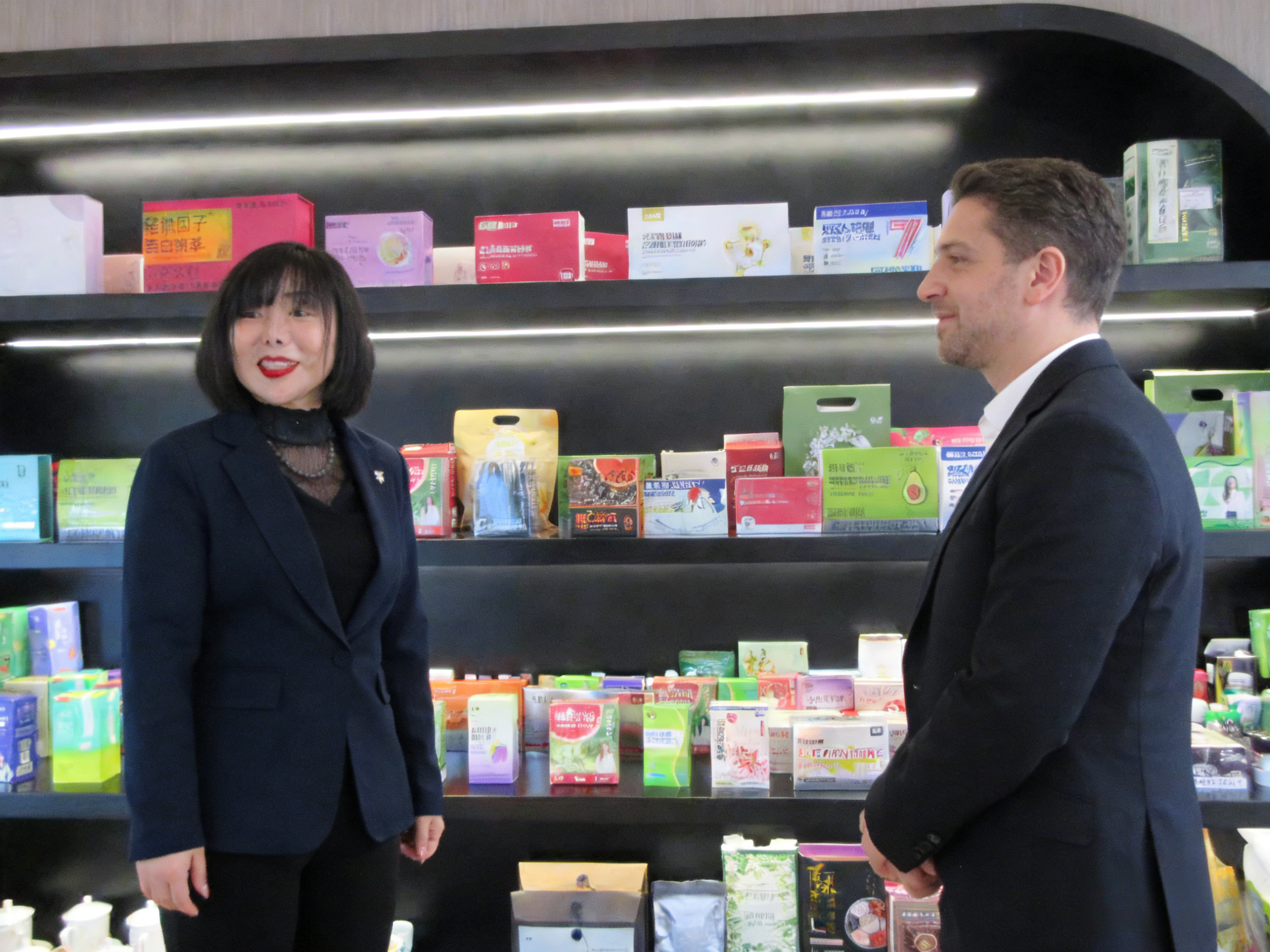
The clearest documented reference for this blueprint is a US project. The project case is located in the United States. A liquid beverage OEM client ordered 5,000 pieces for supermarket application over a 12-month duration, with the recorded project result of best seller, under the line highlight “Big meal savior liquid salad light liquid break.” This case study is based on a product application in the United States.
For an RTD coffee programme, the transferable lesson is structural rather than product-specific: a US retail listing is won with a fixed pack format, a stable flavour profile across production runs and a compliance file that is ready before the buyer asks for it.
Italy: espresso-fidelity positioning
Italy is the market where the espresso concentrate base has the clearest product logic, because the base is documented as applicable to Italian espresso as well as cold brew. The planning question for Italy is not whether the base works, but whether the launch competes on convenience or on espresso character — that decision determines dilution ratio, pack size and shelf placement, and it should be made before the thermal process is fixed.
United Kingdom: format-led retail entry
In the UK, RTD coffee is a familiar retail format, so the differentiator is more likely to be the functional claim than the format itself. Peptide-infused coffee sits inside the supplier's core category range, and the collagen peptides segment — estimated at USD 2.32 billion in 2023 with a projected 11.6% CAGR to USD 4.90 billion by 2030 (Grand View Research) — indicates sustained buyer interest in that positioning. UK artwork and claim wording require local verification.
France: label-first compliance planning
France completes the four-market set, and the practical constraint is the same as for Italy and the UK: label and claim requirements must be confirmed locally before packaging is printed. Because customization covers packaging and product specifications, a France-specific pack configuration can be produced from the same concentrate base without a separate formulation.
Comparison Table: One Base, Three Variant Families
The table below uses only documented product facts. It shows why a single-base architecture is the practical route to a four-market launch.
| Variant family | Concentrate base | Documented packaging format | Recorded applicable categories | Blueprint storage requirement | Line requirement |
|---|---|---|---|---|---|
| Mocha coffee | Espresso concentrate — selected Arabica coffee beans; purified water, roasted coffee beans, coffee concentrate | 30 ml × 10 strips / box | Mocha coffee | Cool and dry | Integrated pasteurization line |
| Black coffee / American coffee | Same espresso concentrate base | 30 ml × 10 strips / box | Black coffee, American coffee | Cool and dry | Integrated pasteurization line |
| Italian espresso / cold brew | Same espresso concentrate base | 30 ml × 10 strips / box | Italian espresso, cold brew coffee | Cool and dry | Integrated pasteurization line |
Production parameters available to a launch team: OEM/ODM production, monthly capacity of 8,000 units, 15-day lead time, MOQ 5,000 pieces, small-batch trial orders from 30 units, 100% test and 100% traceability, 99.8% quality pass rate, 98% on-time delivery.
Frequently Asked Questions
1. What compliance does an RTD functional coffee line need before it can ship to the US?
The US route requires FDA food facility registration covering functional food and beverages. For SPACELIFE (Shenyang Songming Supply Chain Co., Ltd.), that registration is No. 84-278-1901, issued 2025-01-01 and valid through 2026-12-31, and it is registered with the U.S. Food and Drug Administration under section 305 of the Public Health Security and Bioterrorism Preparedness and Response Act of 2002 (PL.107-188). In addition, functional food manufacturers must comply with the FDA's restructured Human Foods Program (2024), which places strict hazard analysis and health claim oversight at the centre of compliance. For Italy, the UK and France, the equivalent requirements must be verified market by market before final artwork is produced.
2. Can one production line deliver mocha, black coffee, and American coffee variants?
Yes. The espresso concentrate base is documented as applicable to mocha coffee, black coffee, Italian espresso, American coffee and cold brew coffee, and it is supplied as 30 ml × 10 strips per box. It uses selected Arabica coffee beans with purified water, roasted coffee beans and coffee concentrate. Variant differences are managed through customization, which covers component, logo, product specifications, taste and packaging — so the base stays constant while the finished SKU is configured per market. Production runs in OEM/ODM mode at a monthly capacity of 8,000 units.
3. What are the commercial entry terms for a first production order?
The standard MOQ is 5,000 pieces, with a monthly production capacity of 8,000 units and a 15-day lead time. For brands that are still validating the concept, small-batch trial orders start from 30 units, which lowers the entry barrier considerably before a full run is committed. All units pass 100% testing, and product categories are 100% traceable with a 99.8% quality pass rate.
4. How should a brand validate the coffee concentrate base before scaling?
Validation starts with a small-batch trial order, available from 30 units. Because the concentrate is supplied in a fixed 30 ml × 10 strips per box format and every unit passes 100% testing, a trial batch gives a reliable read on taste, dilution behaviour and packaging performance — and it is documented through the 100% traceability system. The four RTD coffee variants can each be trialled from the same base, so the brand compares finished recipes rather than separate concentrate specifications.
5. What lead time and support apply once the programme scales across four markets?
Scaling runs on a 15-day lead time with a monthly capacity of 8,000 units and a 98% on-time order delivery rate, supported by a supply chain footprint across Japan, the U.S., Saudi Arabia and Germany and a 51%–60% export ratio. After-sales support is delivered remotely, which keeps a multi-time-zone launch manageable. To move from this blueprint to a concrete plan, request the RTD coffee launch pack, an espresso concentrate sample or a quotation from SPACELIFE at songming-sc.com, by email at songmingsonia@outlook.com, or on WhatsApp at +86 139-4018-4310.
Conclusion: Standardize the Base, Localize the Configuration
A four-market RTD coffee launch in the United States, Italy, the United Kingdom and France succeeds or fails on configuration discipline. The espresso concentrate base — Arabica coffee beans, purified water, roasted coffee beans and coffee concentrate, packed at 30 ml × 10 strips per box — covers mocha, black coffee, Italian espresso, American coffee and cold brew applications from one specification. The variables that genuinely need local decisions are the compliance file, the flavour profile, the label and the pack configuration.
Two requirements should be treated as non-negotiable from day one: cool, dry storage at every node of the chain, and a pasteurization line integrated into the filling stage rather than retrofitted. Around those, the operational parameters — OEM/ODM production, 8,000 units per month, a 15-day lead time, an MOQ of 5,000 pieces, small-batch trials from 30 units, 100% testing and 100% traceability — give a launch team a predictable rhythm to plan four markets against.
Next Step
If you are evaluating a functional coffee or RTD beverage launch, request a concentrate sample, a quotation or the full launch blueprint from SPACELIFE — Shenyang Songming Supply Chain Co., Ltd.
Email: songmingsonia@outlook.com | Tel / WhatsApp: +86 139-4018-4310 | Website: songming-sc.com
Have Questions or Need More Details?
Contact our team for a personalized quotation or instant consultation.
Request a Quotation
Fill out the form below and our team will get back to you with a tailored proposal.
WhatsApp Direct Chat
Prefer to chat in real-time? Message us on WhatsApp for instant assistance & quick answers.
- Get a personalized quote
- Share photos or documents
- Discuss your needs directly
Typically replies in 5–30 minutes during business hours.