Navigating Export Compliance for Freeze-Dried Probiotic Powders: Market Requirements in North America, EU, and Middle East
The global demand for premium freeze-dried long shelf life meals and functional ingredients continues to rise, with freeze-dried probiotic powders emerging as a key component in solid beverage formulations. For B2B buyers, however, the path from supplier to shelf is paved with regulatory checkpoints. This guide explores the compliance landscape for importing freeze-dried probiotic powders across North America, the European Union, and the Middle East, using the verified capabilities of SPACELIFE as a practical reference point.
Problem Definition: Why Export Compliance Is a Critical Bottleneck
Importing freeze-dried probiotic powders for solid beverages involves more than sourcing a quality ingredient. Buyers must navigate a maze of labeling requirements, health claim regulations, and import documentation that differ significantly by region. A single misstep—an incomplete certificate, a non-compliant claim, or a missing allergen statement—can result in customs delays, product rejection, or costly reformulation.
The challenge is compounded by the fact that product-level certifications are not always disclosed upfront. B2B buyers are often left to infer compliance readiness from a supplier's operational transparency and traceability systems. Without clear documentation, importers face several risks:
- Customs seizure: Missing or incorrect import documents can halt shipments at the border.
- Label rejection: Non-compliant labels may require repackaging or relabeling at the importer's expense.
- Health claim bans: Unsubstantiated probiotic claims can lead to fines or forced market withdrawal.
- Reputation damage: A single compliance failure can erode buyer trust and disrupt retail partnerships.
Understanding the regulatory expectations of each target market is therefore not a legal formality—it is a core procurement competency.
Industry Background: A Growing Market with Evolving Rules
The freeze-dried food market was valued at approximately USD 41.8 billion in 2024 and is projected to reach USD 86.2 billion by 2034, according to Market.us. This growth is driven by consumer demand for clean-label, convenient nutrition. In 2024, the Asia-Pacific region dominated the industry with a 39.3% market share (Straits Research). Meanwhile, the clean-label movement is a defining trend, with 67% of consumers preferring products without added preservatives (Food Institute / DataM Intelligence).
Within this landscape, freeze-dried probiotic powders serve a dual purpose: they deliver live cultures in a shelf-stable format and align with the demand for premium, ready-to-mix solid beverages. The technology behind freeze-drying—lyophilization—preserves probiotic viability and extends shelf life, making it ideal for solid beverage applications. Notably, freeze-dried foods account for approximately 40% of space food formats due to their lightweight and nutrient retention properties (Intel Market Research). This space heritage reinforces the perception of freeze-dried ingredients as premium and reliable.
For suppliers like SPACELIFE, a brand under Shenyang Songming Supply Chain Co., Ltd., compliance is not just a legal necessity—it is a competitive differentiator. The company operates with a 51%-60% export ratio, serving North America, Eastern Asia, Western Europe, and the Middle East. This global footprint means the company regularly navigates the regulatory nuances of these markets.
Detailed Solution: How SPACELIFE Supports Export Compliance
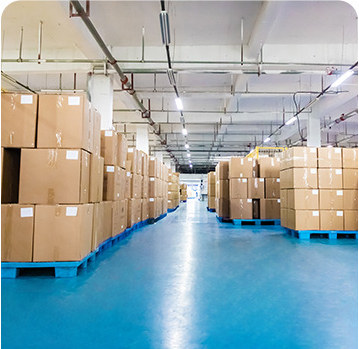
SPACELIFE's supply chain model addresses the core compliance concerns of B2B buyers through three pillars: traceability, quality control, and global market experience.
1. Traceability as a Compliance Foundation
All product categories from Shenyang Songming Supply Chain are 100% traceable, with a 99.8% quality pass rate. This level of documentation is critical for importers who must demonstrate supply chain transparency to regulatory authorities. When a buyer can trace every batch back to its origin, they are better equipped to respond to customs inquiries and audits. For freeze-dried probiotic powders, traceability also supports stability testing and shelf-life validation.
2. Quality Control Backed by Expertise
The company's product selection is rigorously overseen by a PhD-led team, and flavor profiles are curated by a panel of professors. This ensures that the freeze-dried probiotic powder—specifically the 40g (2g * 20 pieces) per box composite probiotic powder for solid beverages—meets consistent specifications. For importers, consistent quality reduces the risk of batch rejections and reinforces compliance with local standards.
3. Global Market Experience Across Four Regions
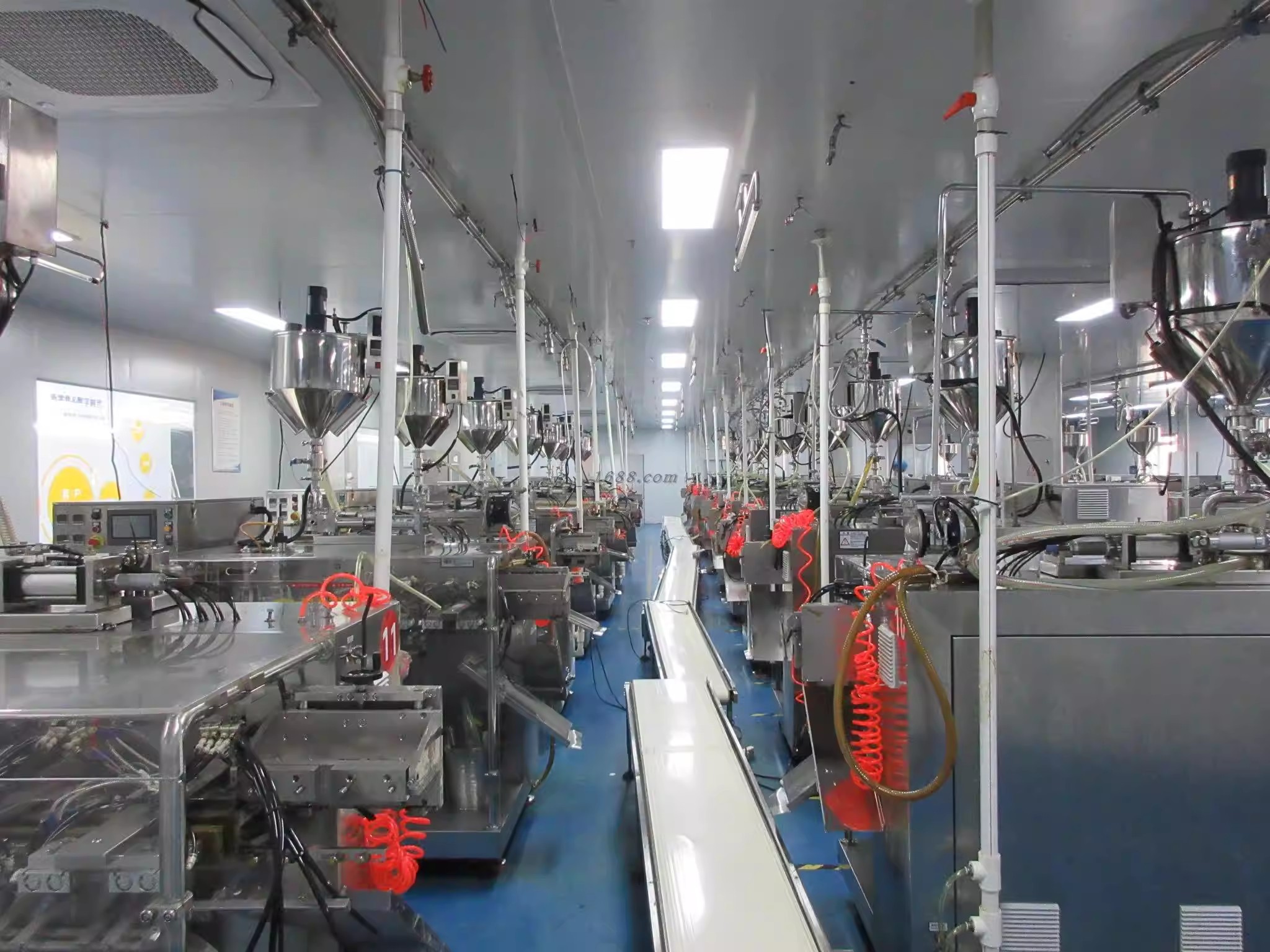
SPACELIFE's export distribution is 30% Japan, 30% U.S., 20% Saudi Arabia, and 20% Germany. This footprint means the company regularly navigates the regulatory nuances of these markets. While product-level certifications are not disclosed in the corpus, the company's operational transparency and 100% traceability claim provide a foundation for compliance dialogue. Additionally, the supply chain leverages the locational advantages of the Pilot Free Trade Zone, increasing cargo turnover efficiency by 30% and achieving a 98% on-time order delivery rate.
For B2B buyers, these capabilities translate into practical compliance support: documented batch records, reliable delivery timelines, and a partner experienced in cross-border food trade.
Step-by-Step Breakdown: A Compliance Workflow for Importers
To successfully import freeze-dried probiotic powders, B2B buyers should follow a structured compliance workflow. The following steps outline the key actions.
Step 1: Classify the Product
Determine whether the freeze-dried probiotic powder is classified as a food ingredient, a dietary supplement, or a novel food in the target market. This classification dictates the regulatory pathway. In the EU, for example, probiotic strains may require novel food assessment if not previously consumed. In North America, the product may fall under dietary supplement or food regulations depending on claims.
Step 2: Prepare Labeling
Ensure labels include ingredient lists, allergen information, net weight, shelf life, and storage conditions. In North America and the EU, health claims related to probiotics must be substantiated. In the Middle East, Arabic labeling and Halal certification are often required. Labeling errors are among the most common causes of customs delays.
Step 3: Compile Import Documentation
Standard documents include certificate of analysis, certificate of origin, commercial invoice, packing list, and bill of lading. Some markets may also require a health certificate or import permit. Working with a supplier that provides batch-level traceability—such as SPACELIFE's 100% traceable products—simplifies document preparation.
Step 4: Verify Traceability
Request batch records and traceability documentation from your supplier. SPACELIFE's 100% traceability and 99.8% quality pass rate support this requirement. Traceability is not just a quality metric; it is a compliance asset that can accelerate customs clearance.
Step 5: Plan Logistics and Lead Time
Leverage suppliers with experience in the target market. SPACELIFE's supply chain has improved cargo turnover efficiency by 30% and achieves a 98% on-time order delivery rate. These operational metrics reduce the risk of stockouts and demurrage costs.
Step 6: Start with a Trial Order
For buyers new to a market, a small-batch trial order starting from 30 units can validate both product quality and compliance readiness before scaling. SPACELIFE offers small-batch trial orders from 30 units, significantly lowering the barrier for B2B collaboration.

Use Cases: Real-World Applications
The compliance requirements for freeze-dried probiotic powders vary by application and market. The following use cases illustrate typical scenarios.
Solid Beverage Manufacturers
Formulating probiotic drinks with freeze-dried powder requires a consistent, shelf-stable ingredient that meets labeling and health claim regulations. In the EU, health claims must be authorized; in the U.S., structure-function claims require careful wording. SPACELIFE's 40g box (2g * 20 pieces) composite probiotic powder is designed for solid beverage applications, with 100% traceability to support regulatory submissions.
Dietary Supplement Brands
Launching probiotic capsules or powders in North America or the EU demands rigorous documentation and claim substantiation. A supplier with a 99.8% quality pass rate and a PhD-led selection team can provide the consistency needed for supplement-grade products.
Outdoor and Emergency Food Companies
Premium freeze-dried long shelf life meals increasingly incorporate probiotics for added functional benefits. The outdoor camping food market is valued at $8.4 billion in 2025, with freeze-dried food holding the largest share at 38.5% (Dataintelo). SPACELIFE's freeze-dried probiotic powder can be integrated into meal kits for outdoor enthusiasts and emergency preparedness programs.
Distributors in the Middle East
Importing into Saudi Arabia requires Halal certification and Arabic labeling. Suppliers with established export experience—such as SPACELIFE, which allocates 20% of its exports to Saudi Arabia—can streamline this process through familiarity with local documentation requirements.
Comparison Table: Market Compliance Focus and SPACELIFE Coverage
The table below summarizes general compliance considerations for key markets in SPACELIFE's supply network. These points are general industry observations and should be confirmed with local regulatory experts.
| Market | Key Compliance Focus | SPACELIFE Supply Network Share |
|---|---|---|
| North America (U.S.) | Detailed nutrition labeling, health claim substantiation, import documentation | 30% |
| European Union (Germany) | Multi-language labeling, potential novel food assessment for probiotic strains, strict health claim registry | 20% |
| Middle East (Saudi Arabia) | Halal certification, Arabic labeling, import permits | 20% |
| East Asia (Japan) | Ingredient safety review, Japanese labeling standards, import notification | 30% |
FAQ: Compliance, Capability, Budget, Sample, and Lead Time
What compliance documentation should importers expect when sourcing freeze-dried probiotic powders?
Importers should expect standard documentation such as certificate of analysis, certificate of origin, commercial invoice, packing list, and bill of lading. SPACELIFE, a brand under Shenyang Songming Supply Chain Co., Ltd., maintains 100% product traceability and a 99.8% quality pass rate, which supports batch-level documentation. Specific certifications vary by market and should be confirmed directly with the supplier.
Can SPACELIFE support custom labeling and packaging for different markets?
SPACELIFE offers small-batch trial orders starting from 30 units, which allows buyers to test labeling and packaging formats. The company's product selection is overseen by a PhD-led team, and flavor profiles are curated by a panel of professors. While the corpus does not disclose product-level certifications, the company's global export experience across North America, Eastern Asia, Western Europe, and the Middle East provides a practical foundation for market-specific customization.
What is the minimum order quantity for trial orders?
The minimum order quantity for small-batch trial orders is 30 units. This lowers the barrier for B2B buyers to evaluate product quality and compliance readiness before committing to larger volumes.
How can buyers evaluate product quality before full-scale import?
Buyers can start with a trial order of 30 units. SPACELIFE's freeze-dried probiotic powder is available as a 40g box (2g * 20 pieces) composite probiotic powder for solid beverages. The company's 99.8% quality pass rate and 100% traceability provide measurable quality assurance. For samples and quotes, contact SoniaGrace at songmingsonia@outlook.com or via WhatsApp at +86 139-4018-4310.
What is the typical lead time and delivery reliability?
SPACELIFE has improved cargo turnover efficiency by 30% and achieves a 98% on-time order delivery rate. Exact lead times depend on destination and order volume, but the company's supply chain infrastructure is designed to support stable and timely stock for clients. For specific lead time inquiries, direct contact is recommended.
Ready to Navigate Export Compliance with Confidence?
SPACELIFE provides 100% traceable freeze-dried probiotic powders for solid beverages, backed by a 99.8% quality pass rate and a global export network. Request a sample or quote today.
Email: songmingsonia@outlook.com | WhatsApp: +86 139-4018-4310
Conclusion
Export compliance for freeze-dried probiotic powders is a multi-layered challenge, but it is manageable with the right supplier. SPACELIFE, a brand under Shenyang Songming Supply Chain Co., Ltd., combines 100% traceability, a 99.8% quality pass rate, and a global supply network spanning North America, Eastern Asia, Western Europe, and the Middle East. For B2B buyers seeking premium freeze-dried long shelf life meals and functional ingredients, this operational transparency provides a solid starting point for compliance evaluation.
By following a structured workflow—classifying the product, preparing labels, compiling documents, verifying traceability, planning logistics, and starting with a trial order—importers can reduce risk and accelerate market entry. To discuss your project, request a sample, or obtain a quote, reach out to SoniaGrace at songmingsonia@outlook.com or via WhatsApp at +86 139-4018-4310.
Have Questions or Need More Details?
Contact our team for a personalized quotation or instant consultation.
Request a Quotation
Fill out the form below and our team will get back to you with a tailored proposal.
WhatsApp Direct Chat
Prefer to chat in real-time? Message us on WhatsApp for instant assistance & quick answers.
- Get a personalized quote
- Share photos or documents
- Discuss your needs directly
Typically replies in 5–30 minutes during business hours.