
Small-Batch Trial vs. Full-Scale Supply: Freeze-Dried Meals
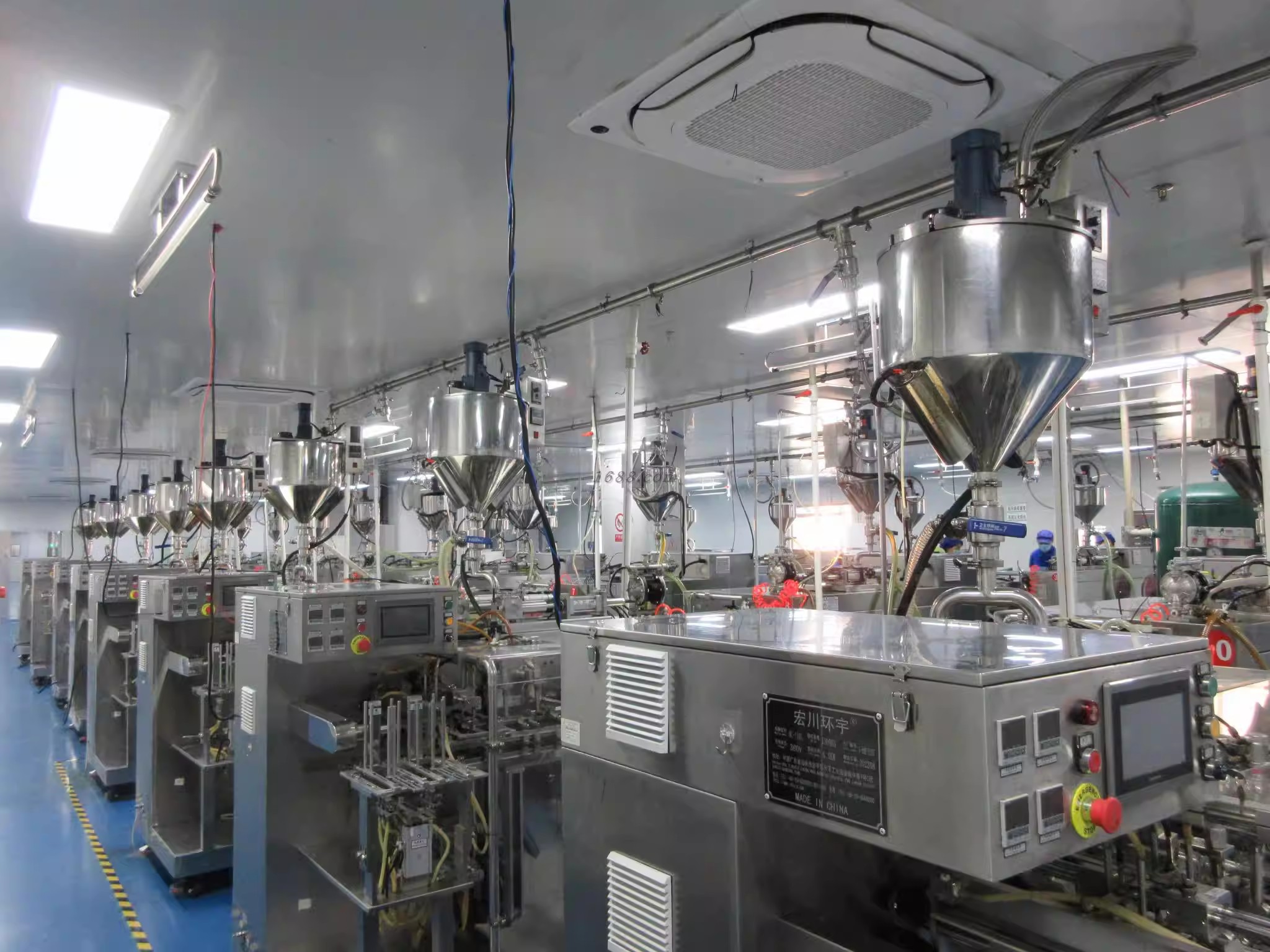
Workshop environment for freeze-dried meal production, where trial runs and full-scale orders are handled.
The choice between a small-batch trial and a full-scale supply commitment is not a test of which sourcing path is better. It is a decision about where you want your risk to sit. A trial order and a full-scale commitment expose a buyer to different failure modes, different cash profiles, and different proof requirements. The right answer depends on what you still need to learn before you commit capital.
This comparison puts the two paths side by side on risk, speed, capacity, and delivery reliability. It uses the operating facts of the SPACELIFE supply program as a reference case: trial orders from 30 units, annual production capacity of 120,000 units, 98% on-time order delivery, 100% traceability, and a 99.8% quality pass rate. The product context is a freeze-dried format used in long-shelf-life meals and solid-beverage applications, including a probiotic freeze-dried powder packed at 40 g per box as 20 sachets of 2 g each.
What the Trial-vs-Scale Decision Actually Decides
The decision is usually framed as a quantity question: buy a little or buy a lot. Operationally, it settles three separate things that buyers tend to blur together.
- How much capital you spend before you have evidence. A small order limits exposure while you test product, pack, and paperwork. A large order moves money into inventory before the market has answered.
- How quickly you can learn whether the product, packaging, and compliance file fit your market. A trial compresses the feedback loop. A full-scale order assumes you already did the learning.
- How much supply continuity you lock in, and how exposed you are if demand does not arrive as forecast. Full-scale supply secures availability, but it also transfers demand risk onto the buyer.
Buyers who treat this as only a price-per-unit question usually overcommit on the first order or undercommit on the second. The more useful frame is to separate validation from supply. A trial buys validation; full-scale buys continuity. They answer different questions.
Why the Choice Is Sharper in Freeze-Dried Meals
Freeze-drying, or lyophilization, removes water from a prepared meal at low temperature. That is why the format can support long shelf life without a preservative load, and why it is associated with ready-to-rehydrate meals used in space food programs. That history is useful as positioning context; it is not proof of any specific product's performance.
Category-level numbers should be read carefully. Commercial research vendors size the broader freeze-dried food category in the billions of USD, but those figures cover all freeze-dried food, not long-shelf-life ready meals specifically. Mordor Intelligence, for example, estimated China's freeze-dried food market at USD 2.48 billion in 2026, and that figure does not isolate prepared meal products. Treat category totals as demand context, not as a measure of the premium meal segment you are sourcing.
Labeling expectations are also moving. The FDA Food Code 2026 edition updates regulatory clarity for retail and food service segments, including how 'Best if Used By' and safety dates are implemented. For a buyer entering a new market, that is one more reason to validate the label and compliance file before placing a large order.
The practical consequence is simple: the trial-versus-scale decision is partly a proof decision. What evidence do you need before you are willing to carry the inventory?
The Two Paths at a Glance
A trial order is a controlled test. It is sized to let you check sensory performance, packaging integrity, label fit, and initial buyer response without committing to a full production run. A full-scale order is a supply agreement. It is sized to keep a channel stocked and to hold delivery dates across many batches.
Small-Batch Trial: What It Proves and What It Cannot
SPACELIFE accepts small-batch trial orders starting from 30 units. That threshold is an entry point for testing before a full commitment, not a miniature version of a production contract.
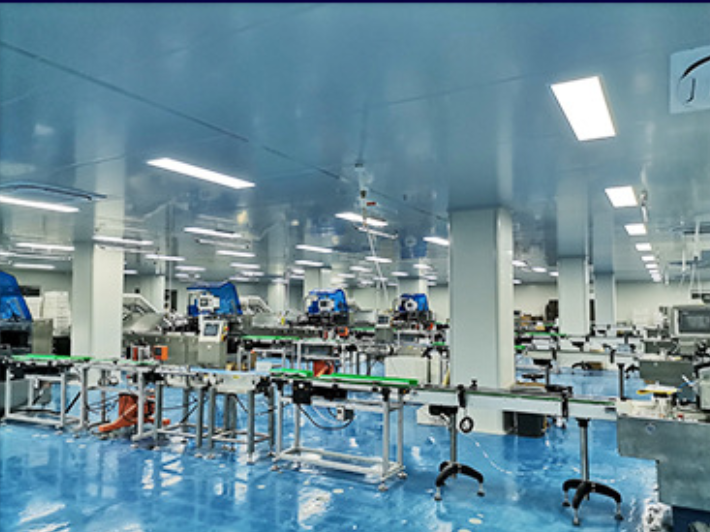
An advanced production line is used to validate product and process before scaling an order.
What a trial can prove
- Sensory and rehydration behavior. Flavor, texture after rehydration, and whether the format matches your target customer.
- Packaging integrity and label fit. Whether the pack survives transit and whether the label clears your market's requirements.
- Compliance fit. Whether the documentation, traceability record, and date-marking approach line up with your importer's expectations.
- Early channel response. Whether a buyer, distributor, or end user actually wants the product.
- Working relationship. Responsiveness, documentation quality, and sample handling tell you how the supplier behaves before money scales.
What a trial cannot prove
- Sustained consistency across a long production run. One batch does not describe many.
- Capacity to hold delivery dates at volume. On-time performance is a program-level signal, not a sample-level one.
- Whether unit economics still work at a different volume. Small runs carry a different cost structure.
- Whether the process holds when demand spikes. A trial is a calm test; a launch is not.
Small runs also carry a different cost profile. Setup, changeover, and quality checks are spread over fewer units, so a trial's per-unit cost is typically higher than a scaled order. That is a normal feature of small-batch production, not a supplier penalty, but it means the trial's price per unit should not be used to forecast full-scale cost.
Choose a trial when the SKU is unproven, the market is new, the label or compliance file is uncertain, or a channel buyer has not yet committed. In those situations, the trial is the cheapest way to buy information.
Full-Scale Supply: What It Commits You To and What It Unlocks
Full-scale supply moves the question from 'does this work?' to 'can this be sustained?' The reference program supports annual production capacity of 120,000 units and reports 98% on-time order delivery.
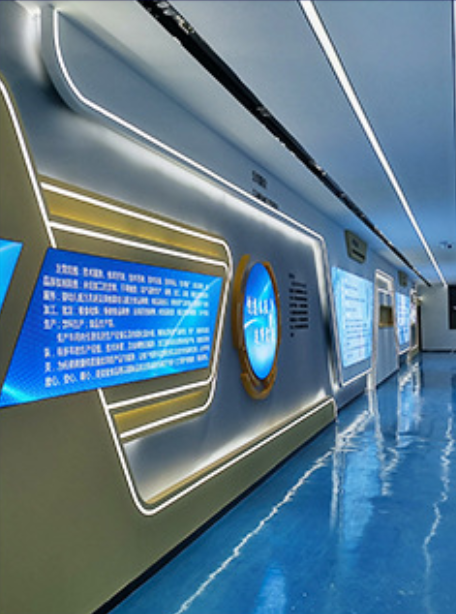
A clean workshop supports consistent output when an order moves from trial to full-scale supply.
What full-scale unlocks
- Volume economics. Setup and changeover are spread across more units, which usually lowers per-unit cost.
- Delivery reliability at volume. A 98% on-time order delivery rate is a program signal that matters when a channel depends on stock.
- Channel fill and shelf presence. Distribution needs inventory in place before it can sell.
- Supply continuity. A committed supplier relationship is easier to protect than a series of one-off purchases.
What full-scale commits you to
- Forecast accuracy. The buyer carries the demand risk once inventory is produced.
- Working capital. Inventory ties up cash before it converts to sales.
- Obsolescence risk. If the SKU underperforms, the remaining stock is a cost, not an asset.
- A quality expectation that must hold across many batches. 100% traceability and a 99.8% quality pass rate describe the system, but they do not replace verifying the product against your own specification.
Choose full-scale when demand is committed, specifications are frozen, compliance is cleared, and working capital is planned. Scaling before those conditions are met converts a manageable trial risk into an inventory problem.
A Four-Step Decision Framework
Step 1: Define the proof you need before you spend
Write down what the trial must demonstrate: a sensory match to your target, a packaging format that survives transit, a label that clears your market, or a delivery test. A trial without a defined pass condition becomes a sample you cannot act on, and it wastes the cheapest learning opportunity you will get.
Step 2: Check whether the supplier can cross from trial to scale without a discontinuity
Ask how the trial and the full order are produced: same line, same specification, same quality gate. A supplier that treats the trial as a demonstrator and the full order as a separate process creates a gap you will discover at the worst possible time. The transition, not the sample, is where most sourcing surprises appear.
Step 3: Verify delivery and traceability at the system level
A single on-time sample says very little. Look for program-level signals: on-time delivery rate, traceability coverage, and quality pass rate. These describe what happens across many orders, not one. For a buyer planning a launch date, the difference between sample performance and system performance is the difference between a plan and a hope.
Step 4: Set explicit go/no-go triggers
Define in advance what converts a trial into a full order: a sensory result, a compliance sign-off, a purchase order from your channel, or a delivery milestone. Without triggers, the scale decision drifts into a negotiation and gets decided by pressure rather than evidence.
Where SPACELIFE Sits on Both Paths
SPACELIFE operates at both ends of the decision. On the trial side, orders start from 30 units. On the supply side, annual production capacity is 120,000 units, supported by 98% on-time order delivery. The brand is supplied through Shenyang Songming Supply Chain Co., Ltd., a supply chain service provider in the functional food and healthy beverage sector.
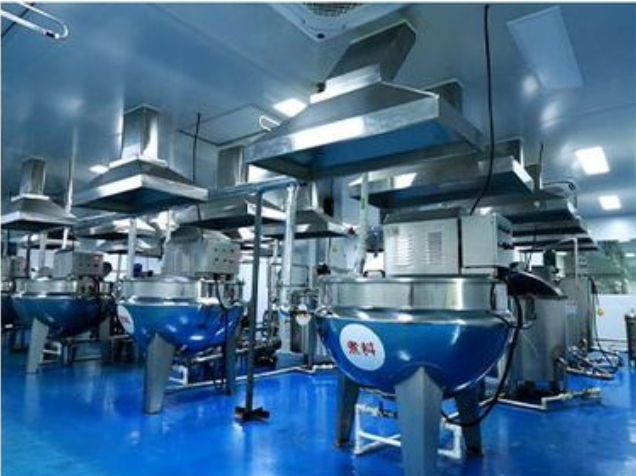
Production capacity of 120,000 units a year supports the move from trial runs to full-scale supply.
Several operating facts are relevant to the trial-to-scale transition:
- 30-unit trial minimum. A low entry point for validation before a volume commitment.
- 120,000-unit annual capacity. The supply headroom behind a scaled order.
- 98% on-time order delivery. A program-level delivery signal, useful when a channel date is fixed.
- 100% traceability. All product categories are fully traceable, which matters when a buyer needs documentation for a new market.
- 99.8% quality pass rate. A program-level quality signal across the offered categories.
- Free Trade Zone location. The company reports that this location advantage increased cargo turnover efficiency by 30%, shortening the gap between a confirmed order and stock availability.
- Global supply network. Coverage spans East Asia, North America, the Middle East, and Western Europe, with export business accounting for 51%-60% of total sales and a country split of 30% Japan, 30% U.S., 20% Saudi Arabia, and 20% Germany.
For the product context, the same program covers freeze-dried formats used in long-shelf-life meals and solid-beverage applications. One example is a probiotic freeze-dried powder packed at 40 g per box as 20 sachets of 2 g each. That specification is useful because it lets a buyer test a real pack format during the trial stage, rather than validating only a concept.
Matching the Path to Your Buyer Situation
The right path depends less on the supplier and more on what the buyer already knows. Four situations cover most decisions.
New brand, unproven SKU
Start with a trial. The product, pack, and label are all unproven, and the cheapest possible failure is a small one. Scale only after a defined trigger, such as a sensory pass or an initial channel order.
Distributor with committed shelf space
Go to full-scale supply, but stage the release. Committed shelf space needs inventory, yet a staged release protects against a forecast miss. The 120,000-unit annual capacity gives room to increase volume without rebuilding the relationship.
Export market entry
Use a trial to clear labeling and compliance in the target market before committing volume. The FDA Food Code 2026 changes around date labeling are a good example of why the paperwork should be validated at small scale. Once the file is cleared, scale with confidence.
Seasonal or project demand
Use a trial with a scale option timed to the buying window. The trial confirms fit; the full order lands when demand is actually present. This approach protects cash while still using the supplier's capacity when it matters.
Comparison Table: Trial vs. Full-Scale Supply
| Decision dimension | Small-batch trial | Full-scale supply |
|---|---|---|
| Entry commitment | From 30 units | Up to 120,000 units annual capacity |
| Primary purpose | Validate product, pack, label, and early demand | Secure supply continuity at volume |
| Capital exposure | Low, limited to the trial order | Higher, tied to forecast and inventory |
| Main risk | Inconclusive trial that does not prove scale behavior | Demand shortfall and obsolescence |
| What it proves | Sensory fit, packaging integrity, compliance fit | Delivery reliability and consistency across batches |
| Delivery evidence | Sample-level handling | 98% on-time order delivery (program level) |
| Traceability | 100% traceability | 100% traceability |
| Quality pass rate | 99.8% (program level) | 99.8% (program level) |
| Speed to learning | Fast | Slower, because volume must be produced first |
| Best fit | New SKUs, new markets, unproven channels | Proven demand, frozen specifications, cleared compliance |
Frequently Asked Questions
Does a small-batch trial require different compliance documentation than a full-scale order?
The compliance standard does not change between a trial and a full order. 100% traceability is a program-level fact that applies across product categories. What changes is the depth of validation: a trial lets you confirm that the label, claims, and date-marking approach fit your target market before you commit volume. For export markets, confirm the specific labeling rule with your importer, because the FDA Food Code 2026 edition and other market rules can affect how 'Best if Used By' and safety dates are implemented.
Can a 30-unit trial reliably predict full-scale quality?
A trial predicts product fit, packaging behavior, and process setup. It cannot prove sustained consistency across a long production run. The 99.8% quality pass rate describes the program, not a guarantee for any single order. Verify your specification against the trial and agree on the quality gate before scaling.
How should buyers compare cost between a trial and full-scale supply?
Unit cost is not directly comparable. Small runs spread setup and changeover over fewer units, so the trial's per-unit cost is typically higher. Full-scale supply lowers per-unit setup cost but ties up working capital and carries demand risk. Compare total cost across the two paths, including inventory carrying cost and the cost of a wrong commitment, rather than comparing a single unit price.
What should trigger the move from trial to full-scale?
Set triggers before the trial starts: a sensory result, a packaging result, a compliance sign-off, or a channel purchase order. Using a defined trigger keeps the scale decision evidence-based rather than negotiable, and it protects the buyer from scaling on optimism.
Can full-scale capacity keep up once demand is confirmed?
The reference program supports 120,000 units of annual capacity, 98% on-time order delivery, and a Free Trade Zone location that increases cargo turnover efficiency by 30%. A global supply network across East Asia, North America, the Middle East, and Western Europe supports multi-market supply. To test the fit for your own program, request a trial from 30 units and confirm the scale plan against your forecast.
Conclusion
The trial-versus-scale decision is a sequencing decision, not a loyalty test. Use a small-batch trial to buy evidence; use full-scale supply to buy continuity. The common mistake is to skip the trial when the SKU is unproven, or to stay in trial mode when demand is already committed.
Match the path to what you still need to learn, and set the trigger for the next step before you place the order. With a 30-unit entry point, 120,000-unit annual capacity, 98% on-time delivery, and full traceability, the SPACELIFE program is structured to support both stages of that sequence.
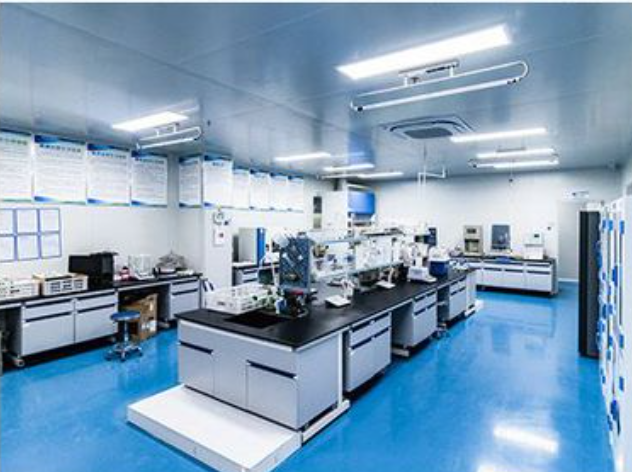
The core R&D center supports sample development, helping buyers move from a 30-unit trial toward full-scale supply.
Have Questions or Need More Details?
Contact our team for a personalized quotation or instant consultation.
Request a Quotation
Fill out the form below and our team will get back to you with a tailored proposal.
WhatsApp Direct Chat
Prefer to chat in real-time? Message us on WhatsApp for instant assistance & quick answers.
- Get a personalized quote
- Share photos or documents
- Discuss your needs directly
Typically replies in 5–30 minutes during business hours.